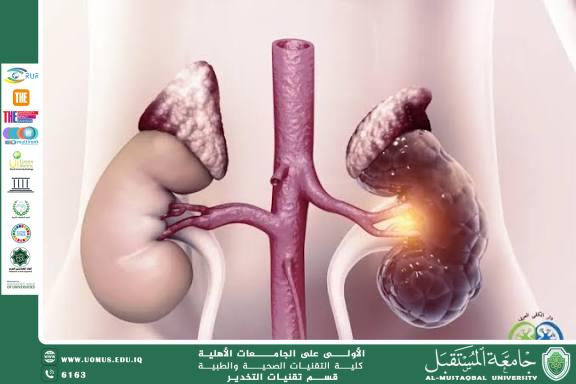
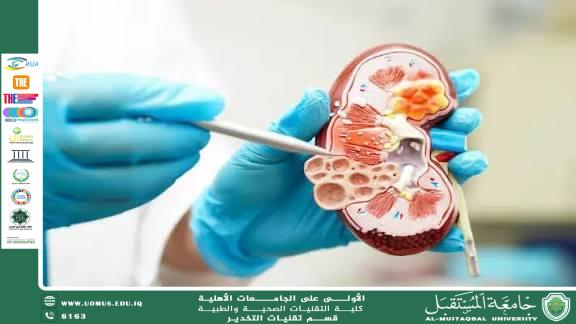
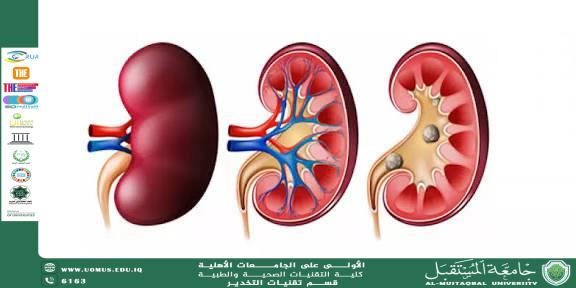
Renal Failure
Renal Failure: Causes, Types, Diagnosis, and Treatment
Abstract
Renal failure is considered one of the chronic and serious diseases that directly affect the kidneys’ ability to perform their vital functions, such as filtering waste products from the blood and regulating fluid and electrolyte balance in the body. This article aims to review the concept of renal failure, its types, causes, associated symptoms, as well as methods of diagnosis, treatment, and prevention.
Introduction
The kidneys play a fundamental role in maintaining the body’s internal balance (homeostasis). They are responsible for filtering the blood, removing toxins, regulating blood pressure, and producing certain essential hormones. When kidney function is impaired, waste products and excess fluids accumulate in the body, leading to serious health complications that may be life-threatening.
Definition of Renal Failure
Renal failure is a pathological condition in which the kidneys partially or completely lose their ability to perform their normal functions. It is usually assessed by a decreased glomerular filtration rate (GFR) and elevated levels of creatinine and urea in the blood.
Types of Renal Failure
1. Acute Kidney Injury (AKI)
This type occurs suddenly over a short period and is often reversible if detected early.
Its causes include:
• Severe dehydration
• Low blood pressure
• Drug toxicity
• Acute infections
2. Chronic Kidney Disease (CKD)
This type develops gradually over months or years and becomes irreversible in advanced stages.
Its causes include:
• Diabetes mellitus
• Hypertension
• Chronic kidney inflammation
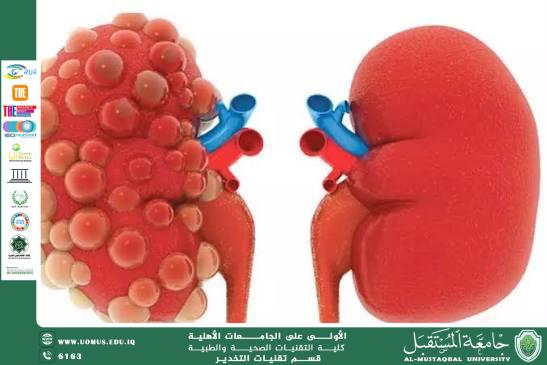
• Genetic disorders such as polycystic kidney disease
Clinical Symptoms
Symptoms vary depending on the severity and stage of the disease. The most common include:
• General fatigue and weakness
• Swelling of the limbs (edema)
• Decreased or increased urination
• Nausea and vomiting
• Loss of appetite
• High blood pressure
• Anemia in chronic cases
Diagnosis
The diagnosis of renal failure depends on:
• Laboratory tests (creatinine, urea, GFR)
• Urinalysis
• Ultrasound imaging of the kidneys
• Renal biopsy in selected cases
Treatment Methods
1. Medical Treatment
• Control of blood pressure
• Regulation of blood glucose levels
• Treatment of anemia and electrolyte imbalances
2. Dialysis
Used in advanced cases and includes:
• Hemodialysis
• Peritoneal dialysis
3. Kidney Transplantation
Kidney transplantation is considered the best therapeutic option for patients with end-stage renal failure, as it significantly improves quality of life.
Prevention
• Control of chronic diseases such as diabetes and hypertension
• Adequate water intake
• Avoid excessive use of painkillers
• Regular screening of kidney function
• Adopting a healthy lifestyle
Conclusion
Renal failure represents a global health challenge due to its high prevalence and significant impact on patients’ lives. Early diagnosis, adherence to treatment, and preventive measures contribute to reducing complications and improving health outcomes. Health education also plays an essential role in limiting disease progression.
Ahmed Neam
Al-Mustaqbal University
The First University in Iraq.