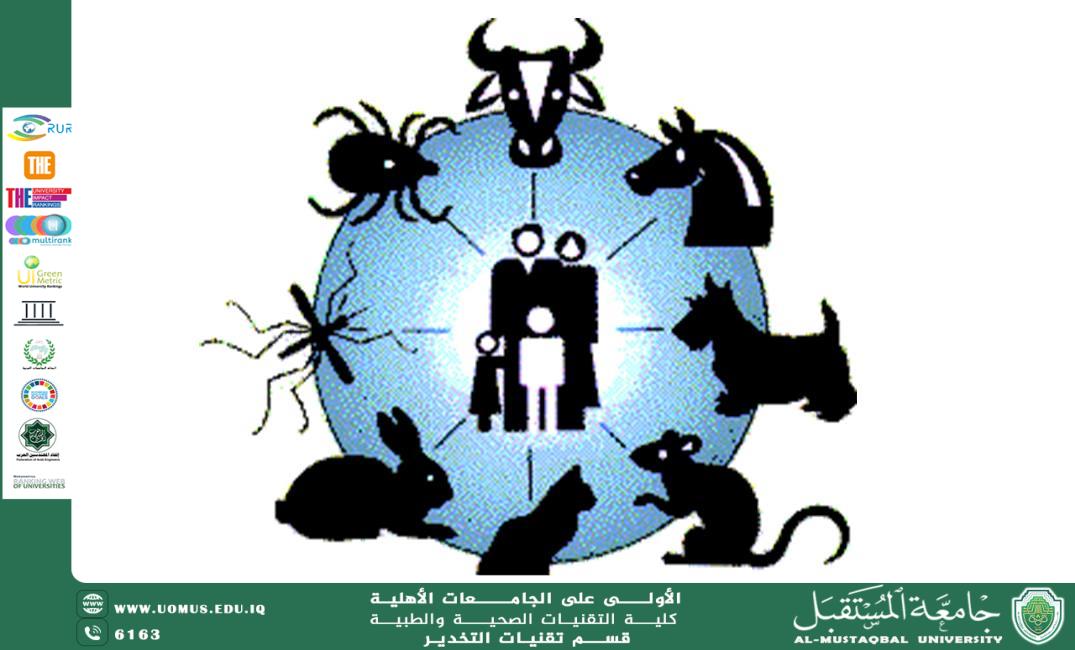
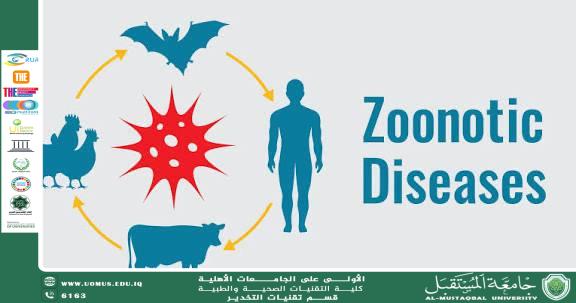
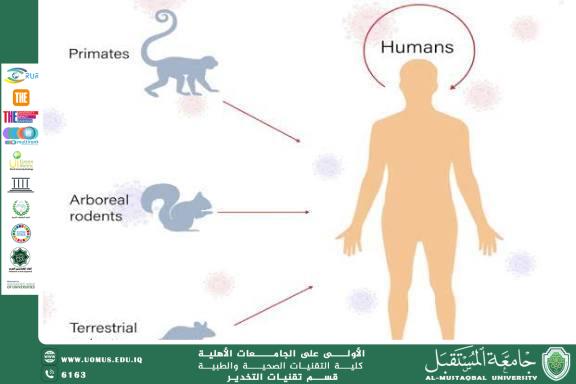

Zoonotic Diseases (Diseases Shared Between Humans and Animals)
Zoonotic diseases, also known as diseases of animal origin, represent one of the most significant global health challenges due to their ability to be transmitted between animals and humans and to cause serious epidemics. This article aims to highlight the concept of zoonotic diseases, their causes, modes of transmission, common examples, as well as methods of diagnosis, prevention, and control.
Introduction
In recent decades, the world has witnessed a noticeable increase in the spread of zoonotic diseases as a result of environmental changes, urban expansion, and increased direct contact between humans and animals. These diseases are considered a major public health concern due to their wide-ranging health, economic, and social impacts.
Definition of Zoonotic Diseases
Zoonotic diseases are diseases that can be naturally transmitted between vertebrate animals and humans, either directly or indirectly. These diseases are caused by a variety of pathogens, including bacteria, viruses, parasites, and fungi.
Causative Agents of Zoonotic Diseases
The causative agents of zoonotic diseases are classified into several main categories:
• Bacteria: such as Brucella, Salmonella, and tuberculosis.
• Viruses: such as rabies, avian influenza, and coronavirus.
• Parasites: such as Toxoplasma and Leishmania.
• Fungi: such as ringworm.
Modes of Transmission
Zoonotic diseases are transmitted through several routes, including:
• Direct contact with infected animals or their secretions
• Consumption of inadequately cooked animal products
• Bites from vectors such as mosquitoes and ticks
• Inhalation of air contaminated with pathogenic agents
• Contact with contaminated tools or environments
Examples of Zoonotic Diseases
Some of the most important zoonotic diseases include:
• Rabies
• Brucellosis (Malta fever)
• Bovine tuberculosis
• Avian influenza
• Echinococcosis (hydatid disease)
• Leishmaniasis
Diagnosis
The diagnosis of zoonotic diseases depends on:
• Medical history and exposure to animals
• Laboratory tests (blood tests, serology, and bacterial culture)
• Molecular tests such as polymerase chain reaction (PCR)
• Radiological examinations in certain cases
Treatment
Treatment varies depending on the type of causative agent and includes:
• Antibiotics for bacterial infections
• Antiviral drugs when available
• Antiparasitic medications
• Supportive treatment to relieve symptoms
• Medical isolation in some infectious diseases
Prevention and Control
Prevention strategies include:
• Vaccination of pets and livestock
• Regular health screening of animals
• Improving hygiene and food safety measures
• Health education for workers in the animal sector
• Control of insect vectors
• Application of the One Health concept, which links human, animal, and environmental health
Conclusion
Zoonotic diseases pose an increasing threat to public health, especially in the context of globalization and environmental changes. Cooperation among human health, veterinary, and environmental sectors is essential to reduce the spread of these diseases and control them. Awareness and prevention remain the cornerstone for protecting communities from their risks.
Ameer Bahaa Fahim
Al-Mustaqbal University
The First University in Iraq.