


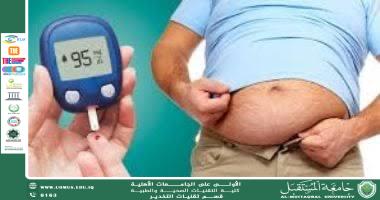
Obesity and Its Relationship with Diabetes
Obesity is considered one of the most significant global health problems in the modern era due to its direct impact on increasing the risk of many chronic diseases, particularly type 2 diabetes. This article aims to review the concept of obesity, the mechanisms linking it to diabetes, its health effects, and the most important methods of prevention and treatment.
Introduction
In recent decades, the world has witnessed a noticeable increase in obesity rates as a result of changes in lifestyle, such as reduced physical activity and increased consumption of foods rich in fats and sugars. Obesity is a major risk factor for diabetes, which is classified as one of the most widespread and impactful chronic diseases affecting public health.
Concept of Obesity
Obesity is a medical condition resulting from excessive accumulation of body fat. It is commonly diagnosed using the Body Mass Index (BMI), where a person is considered obese if their BMI is equal to or greater than 30 kg/m². The risks of obesity are not limited to external appearance but extend to affecting various bodily functions.
Overview of Diabetes
Diabetes is a metabolic disorder characterized by elevated blood glucose levels due to impaired insulin secretion or reduced cellular response to insulin. Diabetes is classified into several types, the most important of which are:
• Type 1 diabetes
• Type 2 diabetes (most strongly associated with obesity)
• Gestational diabetes
The Relationship Between Obesity and Diabetes
Obesity is closely associated with type 2 diabetes. Increased body fat, especially in the abdominal region, leads to:
1. Insulin resistance, where the body’s cells become less responsive to insulin
2. Increased strain on the pancreas, which over time leads to reduced insulin secretion
3. Disruption of glucose and lipid metabolism
Studies have shown that losing as little as 5–10% of body weight can significantly reduce the risk of developing diabetes.
Shared Health Complications
When obesity and diabetes coexist, the risk of serious complications increases, including:
• Cardiovascular diseases
• Hypertension
• Nerve damage (neuropathy)
• Kidney diseases
• Vision impairment
Prevention and Treatment
Prevention of obesity and diabetes relies on:
• Adopting a healthy and balanced diet
• Engaging in regular physical activity
• Reducing the intake of sugars and saturated fats
• Regular medical follow-up
Treatment includes lifestyle modification, medication, and in some cases, surgical interventions for severe obesity.
Conclusion
Obesity represents a major contributing factor to the increased risk of type 2 diabetes, and together they constitute a global health challenge. Health awareness and the adoption of healthy lifestyles are among the most effective strategies to reduce their prevalence and associated complications.
Sajad Alwan
Al-Mustaqbal University
The First University in Iraq.