Addressing Water Scarcity in Iraq
تاريخ النشر
الصنف
اللغة
الصورة
الملفات المسموح بها: JPG, PNG | الحد الأعلى 500 كيلوبايت | يجب أن تكون الصورة مربعة أو أفقية
الصور الإضافية (حتى 3) — مطلوبة صورة واحدة على الأقل
صورة 1
JPG/PNG ≤ 500KB
إزالة
صورة 2
JPG/PNG ≤ 500KB
إزالة
صورة 3
JPG/PNG ≤ 500KB
إزالة
إضافة مرفق
إضافةإلغاء
Introduction
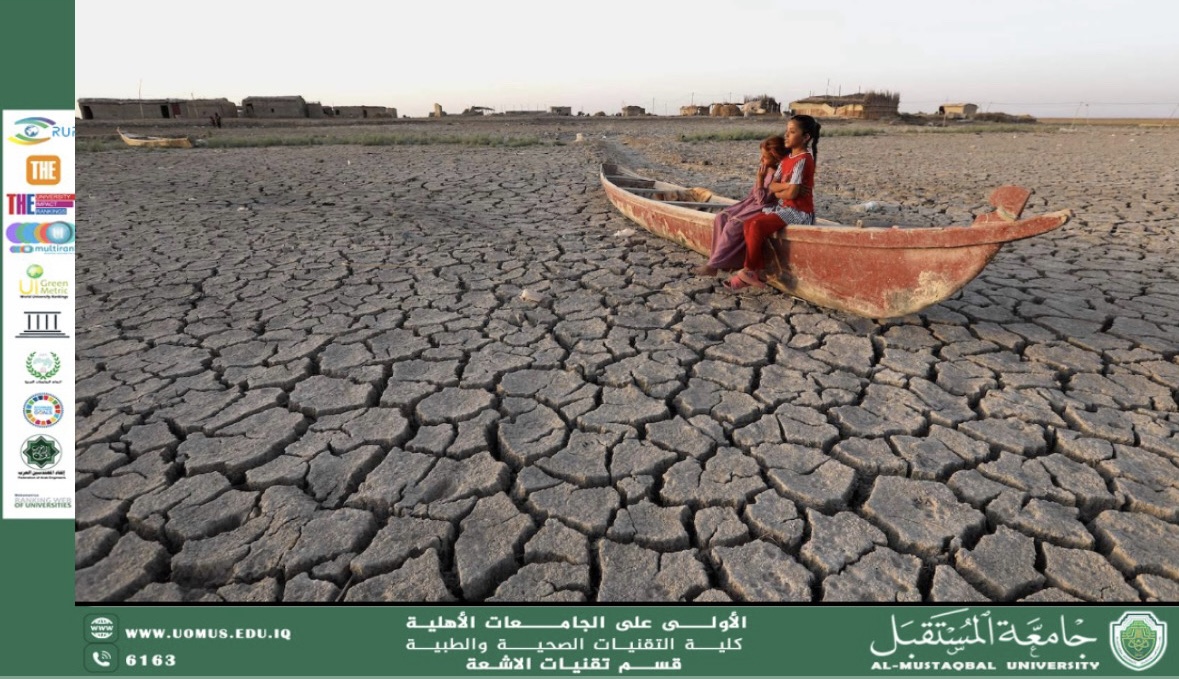
Water scarcity has become one of the most serious environmental and economic challenges facing Iraq today. The country relies heavily on the Tigris and Euphrates rivers, which have experienced a significant decline in water levels in recent decades. Climate change, reduced rainfall, upstream dam construction, and poor water management have all contributed to worsening the crisis, threatening Iraq’s water and food security.
Causes of Water Scarcity in Iraq
1. Climate Change
Rising temperatures and decreasing rainfall have intensified droughts and desertification across large areas of Iraq.
2. Upstream Water Projects
Dams and water projects in neighboring countries have reduced the flow of water reaching Iraq.
3. Inefficient Water Management
Traditional irrigation methods, aging infrastructure, and high levels of water loss have increased pressure on limited water resources.
Impacts of Water Scarcity
• Decline in agricultural production and food security.
• Shortage of safe drinking water.
• Increased rural-to-urban migration.
• Degradation of wetlands and natural ecosystems.
Proposed Solutions
1. Modernizing Irrigation Systems
Adopting modern irrigation techniques such as drip and sprinkler systems to reduce water waste.
2. Improving Water Resource Management
Developing national strategies to regulate and rationalize water use across all sectors.
3. Regional and International Cooperation
Strengthening negotiations with upstream countries to secure fair and equitable water shares.
4. Desalination and Wastewater Treatment
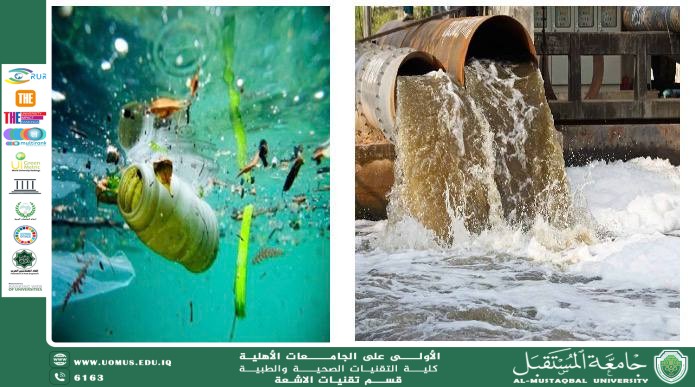
Establishing desalination plants in southern Iraq and reusing treated wastewater for agriculture.
5. Public Awareness and Conservation
Launching awareness campaigns to promote water-saving behaviors at household and community levels.
Conclusion
Addressing water scarcity in Iraq requires coordinated governmental action, regional cooperation, and community participation. Sustainable water management is essential to protect this vital resource and ensure a stable future for coming generations.
Hassanein Mousa Hassan
Al-Mustaqbal university is the top-ranked among Iraqi universities.