A scientific article entitled "Quinoa Seeds" (Heba Salah Hadi)
Quinoa: What is it and why is it recommended?
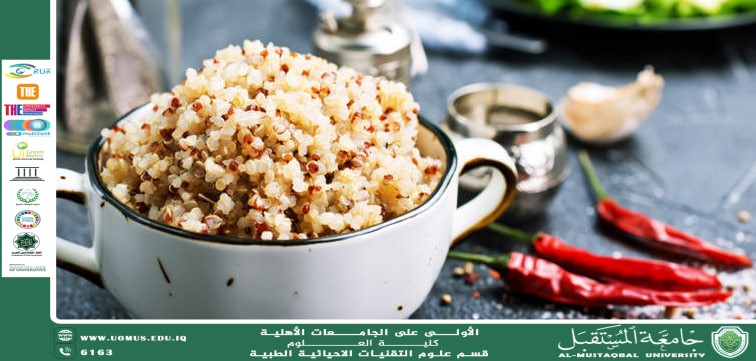
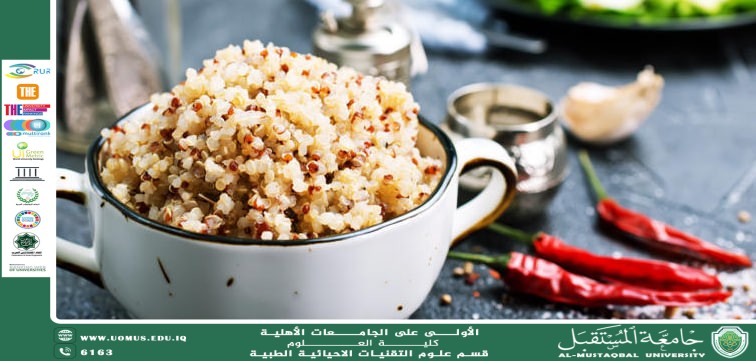
Quinoa is a small seed classified as a whole grain, but botanically, it's closer to a vegetable than a grain. It's characterized by its high complete protein content, containing all the essential amino acids. It's also rich in fiber, vitamins, and minerals such as magnesium, iron, zinc, and phosphorus.
Quinoa and Fatty Liver: What's the Connection?
Rich in Antioxidants: Quinoa is an antioxidant-rich food. It contains plant compounds like flavonoids that fight inflammation and oxidative stress, both of which contribute to liver damage and the worsening of fatty liver disease.
Regulates Blood Lipid Levels: Thanks to its fiber content, quinoa helps lower cholesterol and triglyceride levels, reducing the burden on the liver in processing excess fat.
Low Glycemic Index: This means that quinoa doesn't raise blood sugar levels quickly, which helps reduce insulin resistance.
Promotes Weight Loss: Quinoa is filling and rich in protein, which helps reduce appetite and boost fat burning, essential for improving liver health.
How can you eat quinoa to improve liver health?
To get the most benefit from quinoa, it's recommended to incorporate it into your daily diet in several ways:
As a substitute for rice or pasta: Quinoa can be cooked and used as a base for lunch or dinner dishes. It's filling and a great alternative to refined carbohydrates. Learn more about the benefits of quinoa as a rice substitute.
In salads: Mix quinoa with fresh vegetables, olive oil, and lemon for a light and nutritious meal.
In soups: Add quinoa to soups to increase their nutritional value.
For breakfast: Cook quinoa with plant-based milk and garnish with fruit and nuts as an alternative to oatmeal.
Important tip: Rinse quinoa thoroughly before cooking to remove the bitter saponins that can affect digestion.
In my personal opinion as an editor, while quinoa isn't a magic cure for fatty liver, it's an excellent dietary choice within a healthy lifestyle aimed at improving liver function. Its richness in nutrients, antioxidants, and fiber makes it an effective support in reducing fat accumulation in the liver. When combined with a balanced diet, exercise, and a reduction in sugars and saturated fats, quinoa may indeed help gradually restore liver health.
Al-Mustaqbal University, the leading university in Iraq.
Furthermore, quinoa is gluten-free, making it an excellent option for those with digestive issues or wheat allergies.