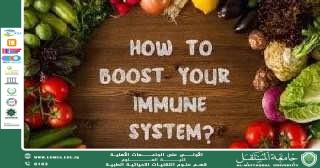

A scientific article by lecturer (M.M. Hawraa Ayed Ali) entitled "The Immune System"
What does “boosting immunity” really mean?
Scientifically speaking, boosting immunity doesn't mean making it infinitely stronger, but rather supporting its natural functions, such as antibody production, T-cell activation, and inflammation regulation. An overactive immune system can lead to allergies or autoimmune diseases, so immune balance is key.
Nutrition – Food as Medicine
Some foods are known to support immune function, including:
• Vitamin C: Found in citrus fruits, bell peppers, and broccoli – promotes immune cell production.
• Vitamin D: From sunlight, eggs, and fish – activates T-cells.
• Zinc: Found in meat, nuts, and whole grains – essential for white blood cell function.
• Garlic and onions: Contain antimicrobial compounds.
• Fiber and probiotics (such as yogurt, kefir, and fermented foods): Support a healthy gut microbiome, which is directly linked to immune health.
Foods that may weaken the immune system include:
• Excess sugar
• Saturated fats
• Processed and canned foods
Lifestyle – The Silent Key to Immunity
Several daily habits play a significant role in immune system health, including:
1. Adequate sleep: Sleeping less than 6 hours reduces the activity of natural killer (NK) cells.
2. Moderate exercise: This promotes blood flow and the circulation of immune cells. However, excessive exercise without rest can weaken immunity.
3. Stress management: Chronic stress raises cortisol levels and weakens the immune system.
4. Avoiding smoking and alcohol: Both weaken immune defenses and increase the risk of infection.
Al-Mustaqbal UniversityThe First University in Iraq