

Global Warming and Its Role in Increasing Environmental Disasters
Global warming is one of the most serious environmental issues facing the world in the modern era. The continuous rise in the Earth’s average temperature has led to widespread climatic changes, contributing to an increase in the frequency and intensity of environmental disasters such as floods, droughts, heat waves, wildfires, and hurricanes. This article aims to review the concept of global warming, its causes and mechanisms, its role in exacerbating environmental disasters, and the main strategies to mitigate its impacts.
Introduction
In recent decades, the Earth has experienced significant climatic changes as a result of intensive human activities, particularly in the fields of industry, energy, and transportation. The accumulation of greenhouse gases in the atmosphere has intensified the phenomenon of global warming, leading to climate imbalance and increased environmental risks that threaten natural ecosystems and human societies alike.
Concept of Global Warming
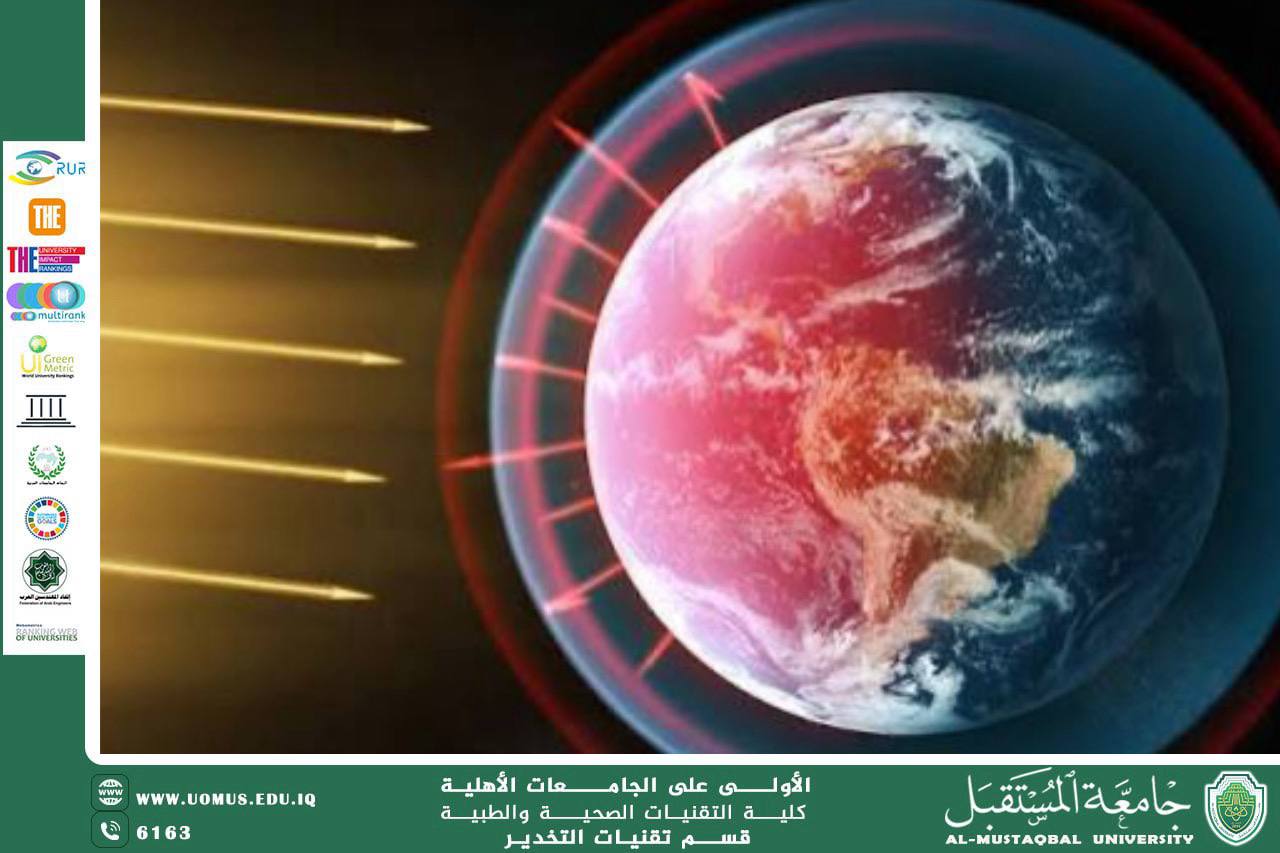
Global warming is a natural phenomenon that occurs due to the trapping of heat from the sun by certain gases in the atmosphere, which helps maintain the Earth’s warmth. However, human activities have increased the concentration of these gases—such as carbon dioxide, methane, and nitrous oxide—resulting in an abnormal rise in global temperatures.
Causes of Global Warming
The main causes of global warming include:
• Burning of fossil fuels (coal, oil, and natural gas)
• Deforestation and degradation of vegetation cover
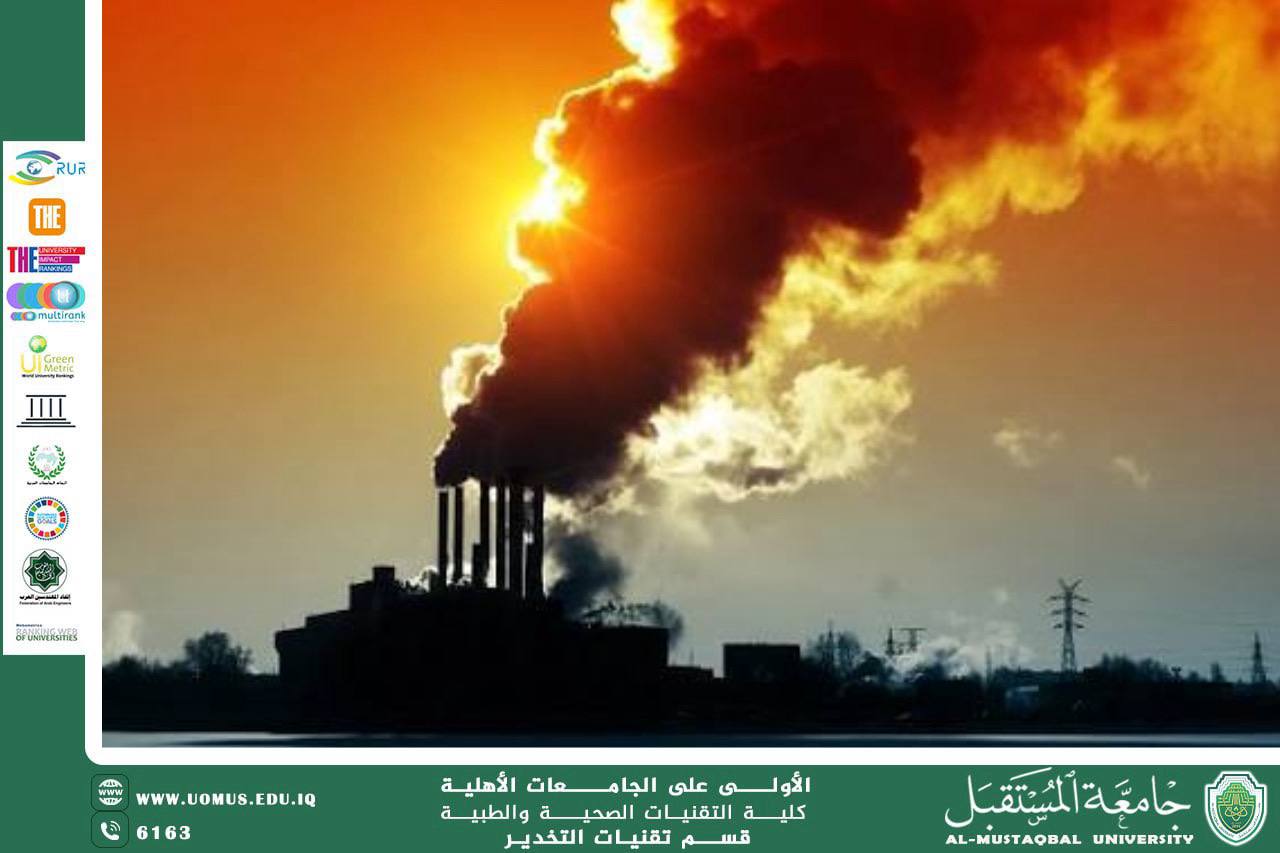
• Industrial and agricultural activities
• Emissions from transportation
• Population growth and excessive consumption of natural resources
Role of Global Warming in Increasing Environmental Disasters
1. Extreme Heat Waves
Rising temperatures have increased the frequency of heat waves, causing severe health impacts and negatively affecting agriculture and water resources.
2. Floods and Sea Level Rise
The melting of polar ice and the thermal expansion of ocean water contribute to rising sea levels, increasing the risk of coastal flooding and the submergence of low-lying areas.
3. Drought and Desertification
Changes in rainfall patterns combined with higher temperatures intensify drought conditions, threatening food security and accelerating desertification.
4. Hurricanes and Severe Storms
Warmer ocean temperatures provide additional energy for hurricanes, increasing their intensity and destructive potential.
5. Wildfires
High temperatures and prolonged drought conditions increase the likelihood and spread of wildfires, leading to extensive environmental damage.
Environmental and Economic Impacts
Environmental disasters driven by global warming result in:
• Destruction of ecosystems and loss of biodiversity
• Significant economic losses in infrastructure and agriculture
• Population displacement and increased environmental migration
• Threats to food and water security
Mitigation Strategies for Global Warming
• Transition to renewable energy sources
• Reduction of greenhouse gas emissions
• Protection of forests and expansion of afforestation programs
• Improvement of energy efficiency
• International cooperation and implementation of environmental agreements
Conclusion
Global warming represents a global challenge that requires urgent collective action due to its direct role in increasing environmental disasters and its profound impact on both humans and the environment. Adopting sustainable environmental policies and committing to science-based solutions are essential steps toward mitigating this phenomenon and protecting the planet for future generations.
Ammar Badri Younis
Al-Mustaqbal University
The First University in Iraq.