The Use of Fly Larvae in Determining Crime Scene Location and Time of Death(M.M. Howayda Nazzal Hussein)(M.M. Howayda Nazzal Hussein)
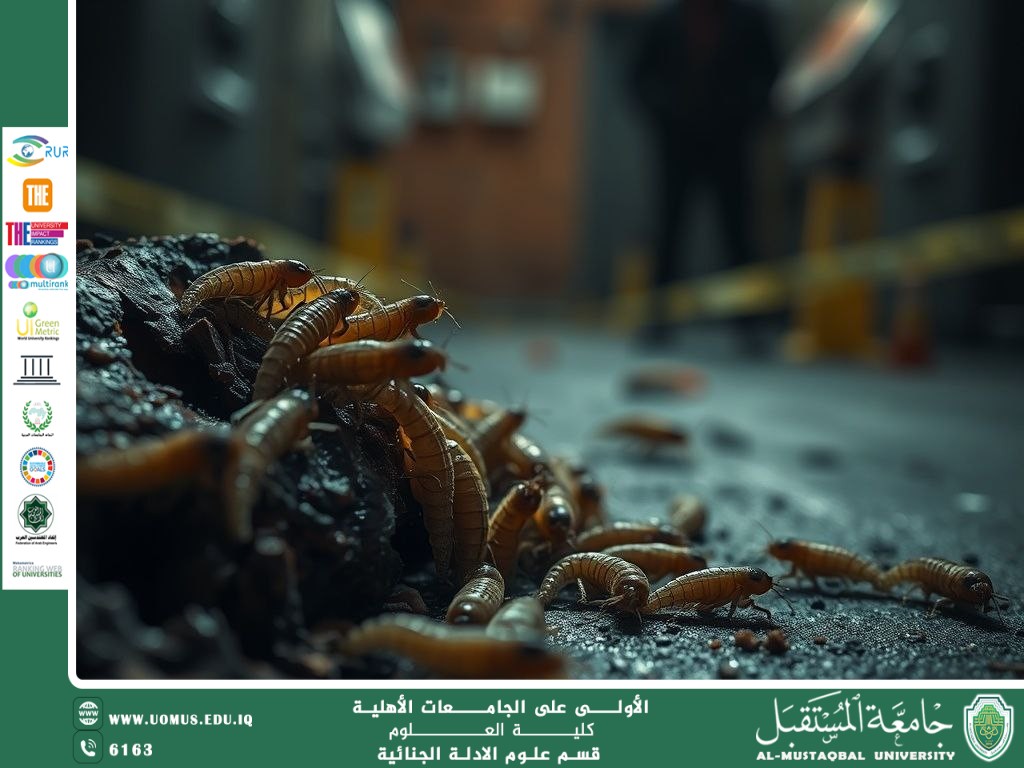
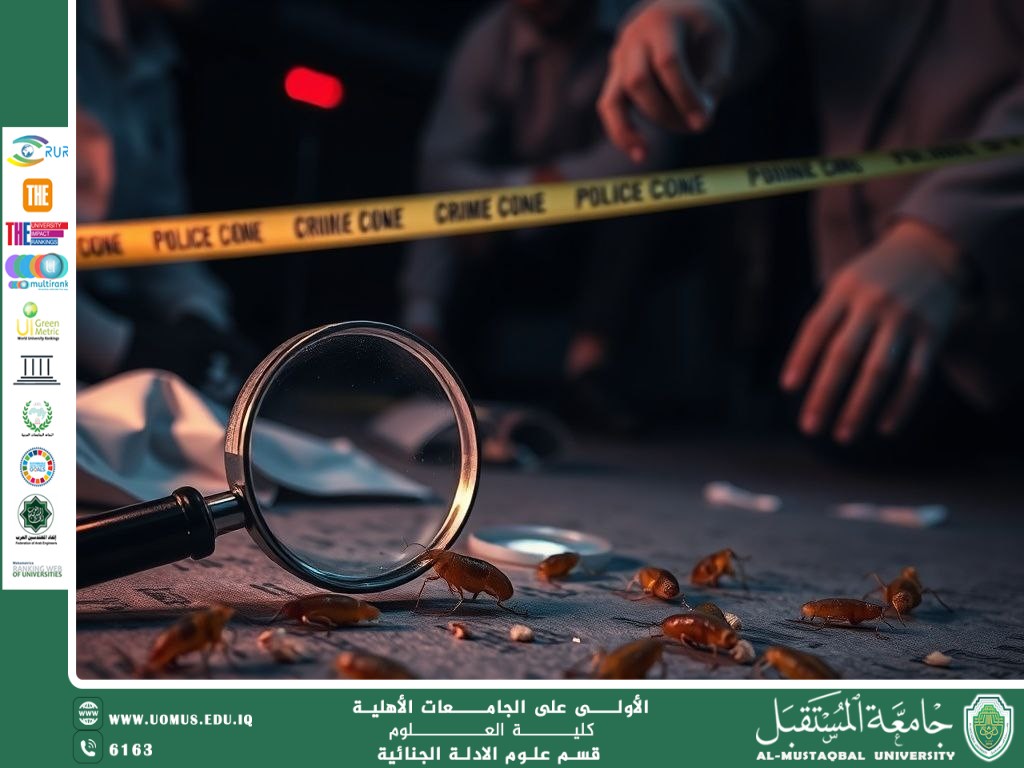
Forensic entomology is an important scientific field used in modern criminal investigations. It relies on the study of insects found on or near human remains to help uncover the circumstances of a crime. Fly larvae, in particular, play a crucial role in determining the time of death and, in some cases, the location of the crime.
Shortly after death, certain species of flies, such as blowflies and flesh flies, are attracted to the body and lay their eggs within hours. These eggs hatch into larvae that pass through well-known and predictable developmental stages. By examining the size, stage, and species of the larvae, forensic experts can estimate the postmortem interval (PMI), which refers to the time elapsed since death.
The estimation of the time of death depends not only on the developmental stage of the larvae but also on environmental factors such as temperature, humidity, and exposure to sunlight. These factors significantly influence the growth rate of fly larvae and are carefully considered during forensic analysis.
In addition to determining the time of death, fly larvae can also provide valuable information about the crime scene location. If a body has been moved, the types of insects present may indicate the original environment where death occurred, whether it was indoors, outdoors, rural, or urban.
In conclusion, the use of fly larvae in forensic investigations is a reliable and scientific method that supports criminal cases with biological evidence. It plays a vital role in revealing the truth and assisting justice through accurate estimation of time and location of death.
Al-Mustaqbal University – the first university in Iraq.
SDG4