
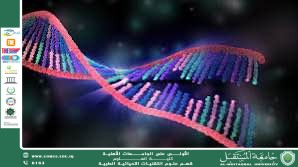
A scientific article by Dr. (M.D. Muhammad Zuhair Naji) entitled "The effect of nuclear radiation on DNA"
DNA is one of the fundamental building blocks of the genetic code of living organisms. It consists of long chains of nucleotides arranged in a precise manner to ensure the accurate transmission of genetic information. Exposure of DNA to sources of nuclear radiation directly threatens its stability and function. High-energy nuclear radiation can damage its structure, leading to genetic changes that may cause serious diseases such as cancer and genetic disorders. The damaging power of radiation varies depending on the type of radiation, the dose received, the duration of exposure, and the type of cells exposed. For example, alpha radiation has a lower damaging capacity because it is high-energy but short-range, while gamma radiation has a greater ability to diffuse through fibers and cells, making its effects more widespread. When radiation interferes with DNA, it can cause damage such as broken strands or altered nitrogenous bases, which affects cell function and its ability to reproduce normally. At the same time, cellular systems possess effective repair mechanisms. However, their failure or disruption due to radiation damage can lead to the accumulation of mutations and an increased likelihood of developing chronic diseases. The extent of radiation damage is influenced by several factors, most notably the dose received, the duration of exposure, and the specific type of cells affected. Some cells, such as stem cells and rapidly dividing cells, are more susceptible to damage. The damage caused by nuclear radiation ranges from subtle and rapidly manifesting genetic changes to long-term effects such as the development of cancerous tumors or hereditary diseases passed down through generations. This underscores the importance of understanding the direct and indirect effects of this radiation on the cellular level and the organism as a whole. Therefore, in-depth studies to understand the mechanisms of damage and repair, along with the development of early damage detection technologies, are crucial tools for reducing the risks associated with nuclear radiation and protecting public health from its adverse effects.
Nuclear radiation is divided into three main types: alpha, beta, and gamma radiation. Each type differs in its nature, energy, and effect on living matter, especially DNA.
DNA consists of long, complex molecules that include chains of precisely linked nucleotides. Various factors significantly influence the extent to which nuclear radiation affects DNA. One of the most important factors is the radiation dose to which tissues are exposed. High doses increase the likelihood of permanent DNA damage, while low doses may lead to subtle genetic changes or impaired repair. Additionally, the duration of exposure plays a crucial role in determining the extent of damage. Continuous or repeated exposure can accumulate and increase the risk of genetic damage, unlike short-term exposure, which may allow for better DNA repair. The effects of radiation also vary depending on the type of cells exposed. Rapidly dividing tissue cells, such as bone marrow and sperm cells, are more susceptible to damage, increasing the likelihood of genetic changes or cancerous diseases. Other important factors include the overall health of the cells, their ability to repair genetic damage, and the type of radiation used. Gamma and beta radiation, for example, cause more complex damage than alpha radiation because of their ability to penetrate tissues more deeply. These factors are complexly intertwined and interact, determining the severity of nuclear radiation exposure to DNA and highlighting the need for a thorough understanding of these factors to control risks and minimize their health effects on humans and the environment.
Exposure to nuclear radiation leads to direct genetic changes in DNA structure, causing mutations that can alter the genetic material of cells. These changes can range from simple alterations in nucleotide bases, such as substitutions, to more complex changes involving base deletions or additions, or rearrangements of molecule parts. Most mutations resulting from nuclear radiation are caused by damage to DNA strands, which disrupts normal cellular integrity and leads to errors during transcription and metabolism, potentially disrupting cellular functions or resulting in abnormal cells. In addition, radiation-induced genetic damage can lead to the accumulation of mutations over time, increasing the likelihood of developing diseases such as cancer and other genetic disorders.
Scientific studies show that the long-term effects of nuclear radiation on DNA are characterized by cumulative damage that can appear long after periods of low-level exposure or years after a nuclear accident. Radiation breaks down gene sequences, leading to persistent genetic mutations. These mutations can cause permanent genetic changes in various tissue cells. It is worth noting that repeated DNA damage without effective repair can cause disruptions in cell division and is a major contributing factor to the later development of cancerous tumors. Furthermore, accumulated genetic mutations can be passed on to subsequent generations, causing chronic genetic diseases that affect individuals and future generations. Although the cellular system possesses complex repair mechanisms to correct radiation damage, the capacity of these mechanisms weakens with overuse or continuous exposure, exacerbating the likelihood of developing chronic diseases. Chronic, low-level exposure to radiation is a major factor in the development of permanent genetic changes, the effects of which appear years after the incident and not just immediately following exposure. It has been proven that exposure to radiation...