A scientific article (by Heba Salah Hadi) entitled "Renewable Energy"
Renewable energy is energy derived from inexhaustible and constantly replenishing natural sources, such as:
• Solar energy
• Wind energy
• Hydropower
• Biomass
• Geothermal (geological) energy
These sources are used to generate electricity, provide heating, and supply power to industries and homes, without harming the environment or depleting resources.
⸻
Technologies Used in Renewable Energy
1. Solar Energy:
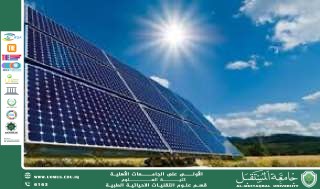
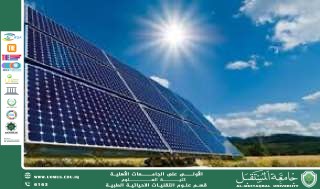
This is one of the most widely used and prevalent renewable energy sources. Sunlight is converted into electricity using:
• Photovoltaic (PV) solar panels
• Solar thermal systems
2. Wind Energy:
This relies on wind turbines that convert wind energy into electricity and is widely used in coastal and highland areas.
3. Hydropower:
This harnesses the power of flowing water, such as rivers and dams, to generate electricity using turbines.
4. Biomass:
Organic materials such as agricultural and wood waste are used to produce energy through combustion or biodegradation.
5. Geothermal Energy:
This technology relies on extracting heat from the Earth's interior to generate electricity or provide heating. It is an advanced technology available in areas with high geothermal activity.
⸻
Benefits of Renewable Energy
• Reducing harmful emissions such as carbon dioxide.
• Diversifying energy sources and achieving energy security.
• Creating job opportunities in research, manufacturing, and maintenance.
• Reducing costs in the long term after covering initial installation costs.
• Contributing to sustainable development and achieving global environmental goals.
⸻
Challenges Facing its Implementation
Despite its significant advantages, renewable energy faces some challenges, including:
• The high initial installation cost of some systems.
• The need for efficient energy storage technologies (such as batteries).
• The impact of climatic conditions on the efficiency of solar or wind energy.
• Traditional infrastructure that is sometimes not equipped to integrate renewable energy sources.
However, continuous technological advancements, government support, and international investments are all contributing factors to overcoming these challenges.
⸻
Renewable Energy in the Arab World
Many Arab countries, such as Saudi Arabia, the UAE, Egypt, and Morocco, have begun adopting major solar and wind energy projects, driven by the need to diversify energy sources and reduce dependence on fossil fuels, in addition to their international environmental commitments.
Al-Mustaqbal University, the leading university in Iraq.