A Scientific Article by Assistant M.M. Zahra Hazim Hamed Title:Recycling Organic Waste as an Entry Point to Green Chemistry
What if waste were a treasure?
Every time we throw food scraps, paper, or agricultural residues into the trash, we think we've gotten rid of an unwanted burden. But from an organic chemistry perspective, what we discard is not waste—it’s a rich carbon stock waiting for someone to invest it wisely. This is where the story of green chemistry begins: turning a problem into an opportunity, and pollution into a resource.
Carbon… the silent hero of the story
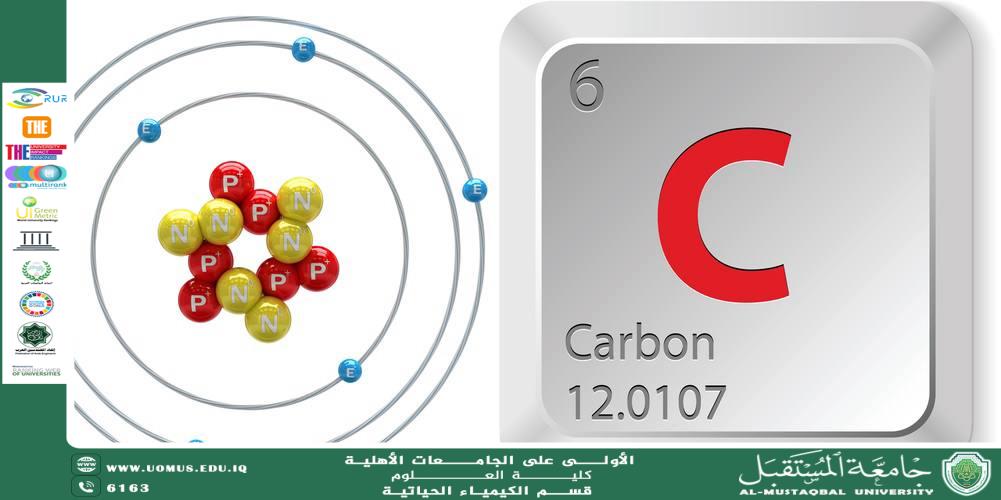
Organic chemistry is built on carbon, the very same element that forms the core of organic waste. Fruit peels, vegetable scraps, plant residues, and even some animal waste all contain complex organic compounds that can be broken down or reconstructed in smart, environmentally friendly ways.
Instead of burning or burying this waste, green chemistry asks: Why not reuse it without harming the planet?
From garbage to the laboratory
In modern laboratories, raw materials no longer come solely from petroleum sources. Organic waste has become a starting point for producing:
· Chemical feedstocks
· Biofuels
· Organic fertilizers
· Biodegradable polymers
The fundamental difference here is that these processes are carried out using milder conditions, less energy, and less harmful solvents—the very essence of green chemistry.
Green chemistry: a philosophy before it is a technology
Green chemistry doesn’t just ask: How can we make this? It also asks:
· Can we reduce the waste generated?
· Can we use renewable materials?
· Is the final product safe for humans and the environment?
Recycling organic waste answers these questions in practice—it reduces pollution at the source and reintroduces materials into a new production cycle instead of letting them become an environmental burden.
Why is this approach different?
The traditional approach deals with waste after the problem has occurred, but this approach addresses it before it becomes a problem. Instead of allowing organic waste to accumulate and release harmful gases or pollute soil and water, it is converted into useful materials as part of what is known as the circular economy, where nothing is wasted.
The role of the chemist in this transformation
Here, the organic chemist is not merely an analyst of reactions, but an engineer of sustainability:
· Selecting less hazardous reactions
· Designing biodegradable compounds
· Balancing efficiency, cost, and environmental impact
In this way, science becomes a tool for protecting the environment rather than a cause of its depletion.
Conclusion: science that serves life
Recycling organic waste is not an idealistic idea far from reality—it is a practical scientific path adopted today by universities, research centers, and conscious industries. It is a true gateway to green chemistry, where waste turns into value, science into a mission, and organic chemistry into a partner in building a cleaner, more balanced future.
Al-Mustaqbal University – First among Iraqi Universities