Types of Human Skin
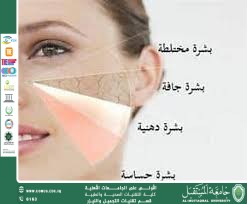
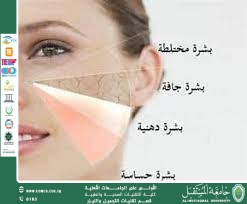
Human skin is the largest organ of the body and plays an essential role in protecting the body from external factors. It also contributes greatly to a person’s appearance and overall health. Skin types vary from one person to another due to genetic, environmental, and hormonal factors. Generally, human skin can be classified into five main types, each with its own characteristics and care needs.
1. Normal Skin
Normal skin is considered the ideal skin type because it has a balanced level of oil and moisture. It is neither too oily nor too dry and usually appears healthy and smooth.
Characteristics:
Smooth and soft texture
Even skin tone
Rarely experiences skin problems
2. Oily Skin
Oily skin produces excess sebum due to overactive sebaceous glands. This often results in a shiny appearance, especially in the forehead, nose, and chin area.
Characteristics:
Shiny appearance
Enlarged pores
Prone to acne and blackheads
3. Dry Skin
Dry skin lacks sufficient natural oils, which can lead to tightness, roughness, and flaking.
Characteristics:
Rough or flaky texture
Very small pores
More likely to develop fine lines and irritation
4. Combination Skin
Combination skin includes features of more than one skin type. Typically, it is oily in the T-zone and dry or normal in other areas.
Characteristics:
Oily forehead, nose, and chin
Dry or normal cheeks
Requires balanced skincare routines
5. Sensitive Skin
Sensitive skin reacts easily to environmental factors, skincare products, and weather changes.
Characteristics:
Redness and itching
Burning or stinging sensation
Needs gentle, fragrance-free products
Conclusion
Identifying your skin type is an important step toward proper skincare. Choosing suitable products and following a consistent routine can help
maintain healthy and radiant skin over time.
Al-Mustaqbal University – The First University in Iraq