Title: The Role of Medical Biochemistry in the Diagnosis of AIDS Author: Professor Dr. Nasser Abdul Hassan Nasser
Medical biochemistry is one of the most important branches of medical sciences, as it focuses on studying the chemical reactions that occur within the cells and tissues of the human body under both normal and pathological conditions. This field has significantly contributed to understanding and diagnosing many diseases, including Acquired Immunodeficiency Syndrome (AIDS), which is considered one of the most serious chronic viral diseases affecting the immune system. Early and accurate diagnosis of Human Immunodeficiency Virus (HIV) infection is essential for controlling the disease and reducing its complications and spread.
Definition of AIDS
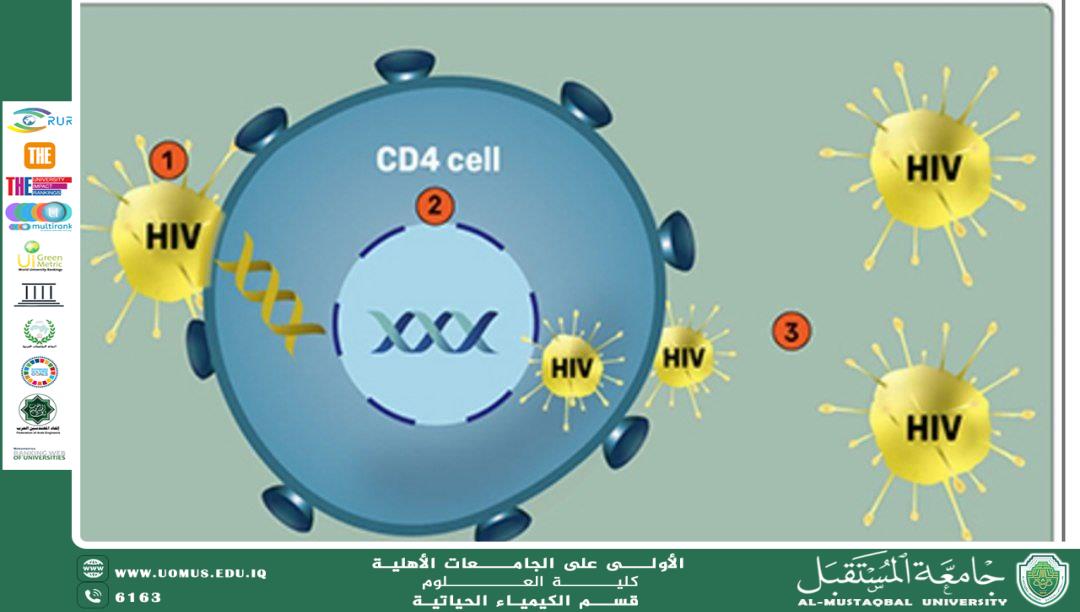
AIDS is the advanced stage of infection with the Human Immunodeficiency Virus (HIV). The virus attacks the immune system, particularly CD4 cells, leading to a gradual weakening of the body’s ability to fight infections. In the early stages, symptoms may be mild or absent, making laboratory tests based on medical biochemistry the most reliable method for detecting the infection.
Relationship Between Medical Biochemistry and AIDS
Medical biochemistry plays a crucial role in diagnosing AIDS by analyzing blood and body fluids to detect biochemical and molecular changes caused by HIV infection. These changes include the presence of antibodies, viral antigens, alterations in proteins, and a reduction in immune cells. Such biochemical markers are used to diagnose the disease and determine its stage.
Biochemical Tests Used in Diagnosis
1. ELISA Test
The ELISA (Enzyme-Linked Immunosorbent Assay) is one of the most widely used tests for diagnosing AIDS. It is based on the biochemical interaction between viral antigens and antibodies present in the patient’s blood. This test is highly sensitive and is commonly used as an initial screening tool.
2. Western Blot Test
If the ELISA test yields a positive result, the Western Blot test is performed as a confirmatory test. This test relies on biochemical techniques to separate viral proteins and identify them using specific antibodies, providing high diagnostic accuracy.
3. Detection of Viral Antigen (p24)
One important method for early diagnosis is the detection of the p24 antigen, a viral protein that appears in the blood during the early stages of infection before antibodies are formed. This biochemical test helps reduce the diagnostic window period.
4. Viral Load Measurement
Measuring the viral load is one of the most advanced applications of medical biochemistry. It determines the amount of viral genetic material in the blood and is useful for:
• Confirming the diagnosis
• Monitoring disease progression
• Evaluating the effectiveness of antiretroviral therapy
• Predicting the patient’s clinical outcome
5. CD4 Cell Count
Measuring the number of CD4 cells in the blood is a key test in the diagnosis and monitoring of AIDS. A significant decrease in CD4 cell count indicates immune system damage and disease progression.
Role of Medical Biochemistry in Disease Monitoring
The role of medical biochemistry is not limited to diagnosis only; it also extends to monitoring the patient’s condition after diagnosis. Biochemical tests help assess the patient’s response to treatment and allow early detection of immune deterioration or complications.
Importance of Early Diagnosis
Early diagnosis based on medical biochemistry contributes to:
• Initiating treatment at the appropriate time
• Improving the patient’s quality of life
• Reducing the transmission of infection
• Lowering disease-related mortality rates
Medical biochemistry plays a vital and essential role in the diagnosis of AIDS through precise laboratory tests based on biochemical principles. Continuous advancements in this field have improved the accuracy and speed of diagnosis, helping to control the disease and reduce its health and social impacts. This highlights the importance of medical biochemistry in supporting modern medicine and protecting human health.