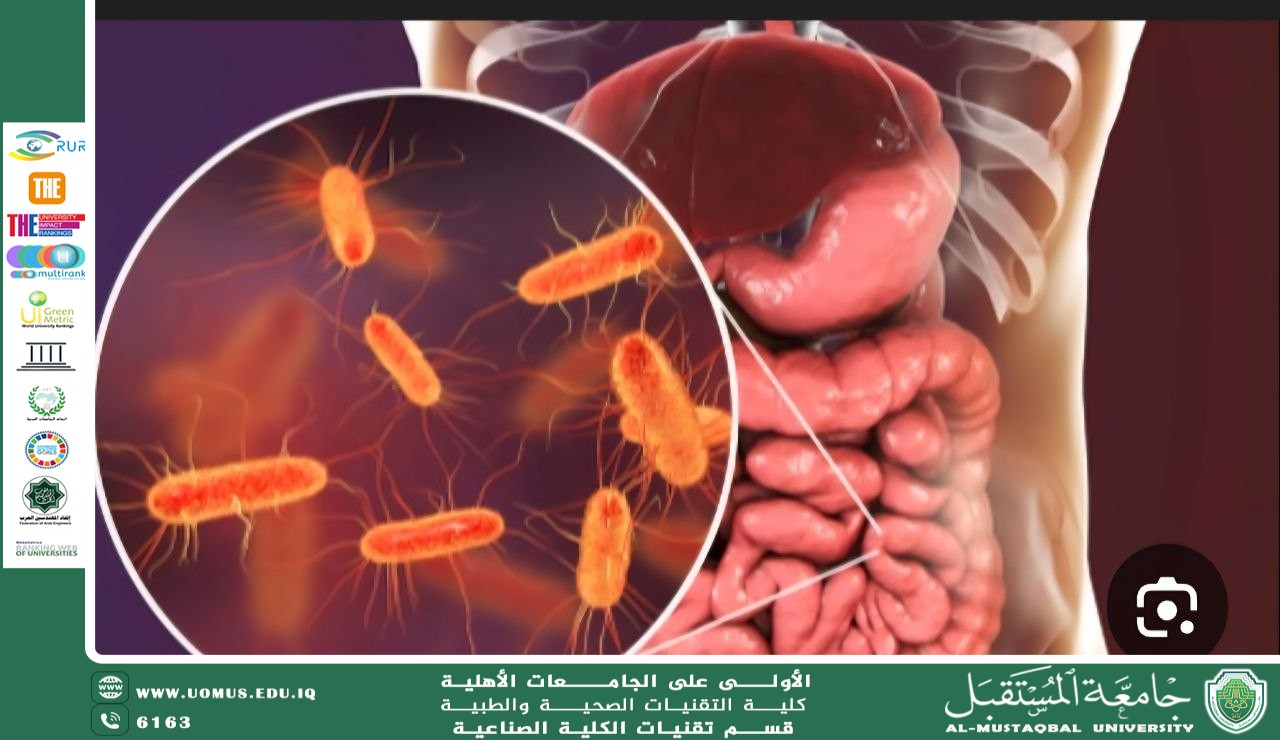
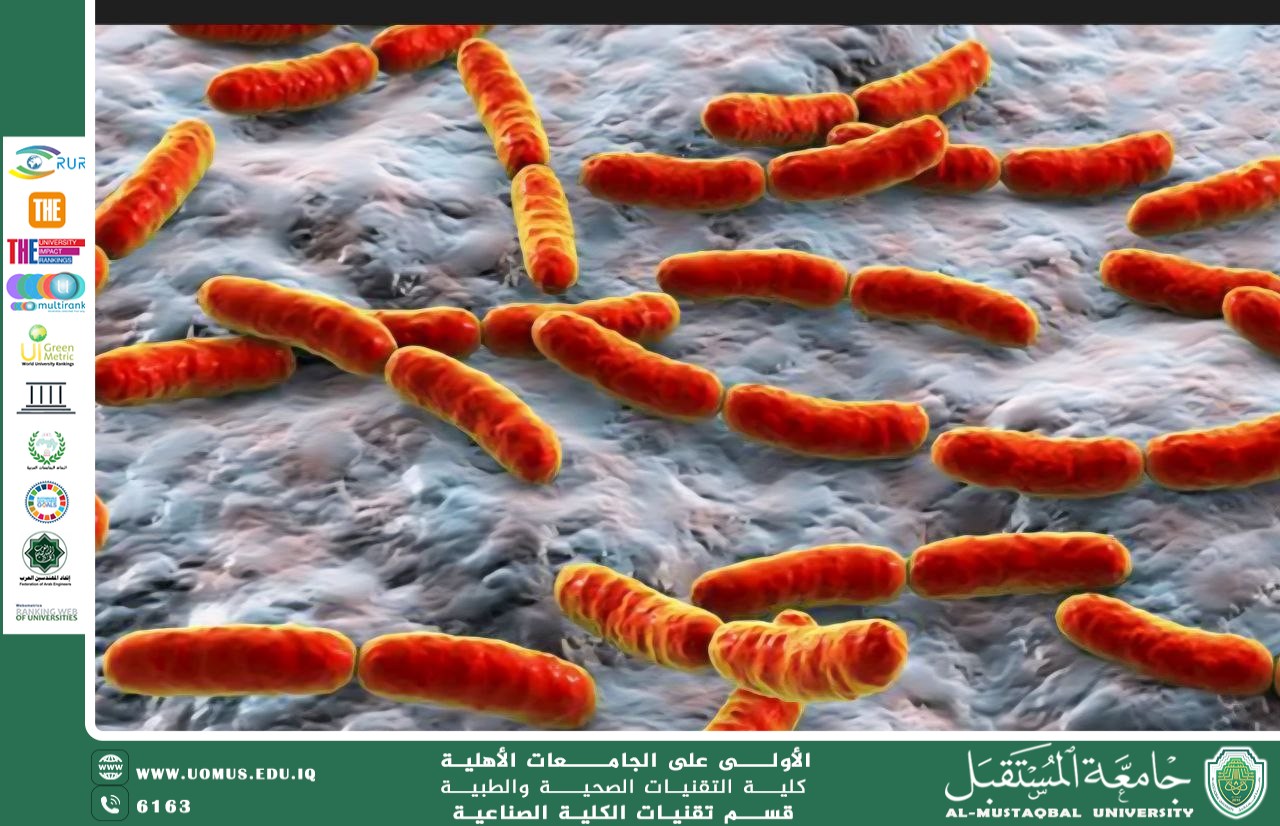
The HMO Complex in Human Breast Milk and Its Impact on Beneficial Gut Microbiota” By Prof. Dr. Younis Abdul-Ridha Al-Khafaji, Head of the Department
What is HMO?
• Definition: HMO stands for Human Milk Oligosaccharides, a complex group of indigestible sugars found exclusively in human breast milk.
• Composition: Complex sugars made up of units of glucose, galactose, and others.
• Quantity: The third largest solid component in human milk after lactose and fats.
• Diversity: There are more than 200 different types of HMOs in human milk, and their composition varies between women.
Effects of HMO on Beneficial Gut Bacteria in Infants:
1. Feeding Beneficial Bacteria (Prebiotic Effect)
• HMOs act as a selective food source for beneficial bacteria such as Bifidobacteria and Lactobacillus.
• They promote the growth of these bacteria that dominate the gut of breastfed infants.
2. Preventing Attachment of Harmful Bacteria
• HMOs bind to receptors on the intestinal lining, preventing harmful bacteria and viruses from attaching.
• They act as a “decoy” tricking harmful microbes to bind to them instead of intestinal cells.
3. Modulating the Immune System
• HMOs influence the development of the infant’s immune system.
• They reduce the risk of infections and immune-related diseases.
4. Strengthening the Intestinal Barrier
• HMOs help develop a strong gut barrier that prevents pathogens from entering.
Health Benefits Associated with HMOs:
• Reduced rates of diarrhea and respiratory infections.
• Lower risk of allergies and eczema.
• Decreased incidence of meningococcal disease.
• Potential positive effects on neurological and cognitive development.
HMOs are unique components contributing to the superiority of human milk over formula. Although formula manufacturers try to add synthetic forms of HMOs to infant formula, they do not fully replicate the diversity and complex function of natural HMOs found in human milk.
Al-Mustaqbal University the First in Iraq