Restless legs syndrome associated with iron deficiency anaemia in children
Restless legs syndrome (RLS) is a common, complex, and treatable neurologic condition.
The prevalence of RLS in children and adolescents is 1 to 4 percent in population-based studies, and the prevalence of moderate-to-severe RLS is 0.5 to 1 percent.
Boys are affected as often as girls in younger age groups. However, the prevalence of moderate-to-severe or clinically significant RLS is lower, estimated at 2-3%. The severity of symptoms is directly relevant to clinical care and is an important component of treatment decisions.
The prevalence of RLS in most Asian populations is lower, with most studies reporting overall rates of less than 5 percent, except in Korea, where the prevalence is similar to that in Europe and North America. In all ethnic groups, women are affected approximately twice as often as men. The onset of symptoms before age 20 years is reported in approximately 40 percent of adults with RLS.
Pathophysiology
A genetic mechanism is suggested by the high familial prevalence (ranging from 40 to 92%) among individuals with RLS onset before the age of 40. Similarly, in a paediatric population-based study, a family history of RLS was reported in 71% of affected children between 8 and 11 years old and in 80% of those between 12 and 17 years old. Both parents were affected in 16 percent of these cases. In addition, several genome-wide studies have found an association of RLS with genetic variants as well as iron homeostasis.
Iron deficiency is implicated in the pathogenesis of RLS and PLMS, as suggested by the association between these disorders and low iron stores, as observed in autopsy data, magnetic resonance imaging (MRI), brain sonography, and cerebrospinal fluid analysis.
Iron is significant in brain dopamine production and synaptic density, as well as in myelin synthesis, energy production, and possibly in norepinephrine and serotonin neurotransmitter systems.
●A role for brain dopaminergic signalling in RLS and PLMS (periodic limb movement disorder) is supported by the efficacy of dopaminergic drugs in treating these disorders, demonstrated in multiple randomized clinical trials.
Exacerbating factors include insufficient sleep, irregular sleep, obstructive sleep apnea, pain, caffeine, and nicotine. Some medications, including sedating antihistamines, serotonergic antidepressants, and dopamine blockers, can aggravate RLS and/or PLMS.
Clinical Features
Among children presenting to our pediatric sleep and neurology clinic who were ultimately diagnosed with restless legs syndrome (RLS) or periodic limb movement disorder (PLMD), we have observed the following characteristics:
Chief complaint:
●Sleep concerns – 46 percent
●Behaviour concerns – 46 percent
Sleep problems:
●Restless sleep – 86 percent
●Sleep onset problems – 81 percent. Sleep onset problems are somewhat more common in children diagnosed with RLS compared with those with PLMD.
●Sleep maintenance problems – 65 percent. Sleep maintenance problems are somewhat more common in children diagnosed with PLMD compared with those with RLS.
Surprisingly, leg symptoms are rarely the chief complaint. We think this is because caregivers are more likely to be aware of and concerned about the behavioural impact of these disorders rather than the more specific leg or limb symptoms.
We also noted a high prevalence of attention-deficit hyperactivity disorder (ADHD) in this sample (78 percent), which reflects our clinical focus on ADHD. The prevalence of other comorbid conditions probably varies among clinical centers that see children with these disorders. Leg discomfort may be a more common presentation of RLS in a pediatric rheumatology clinic, and limb jerking during sleep may be a more common presentation of PLMD in an epilepsy clinic.
The five diagnostic criteria for RLS are:
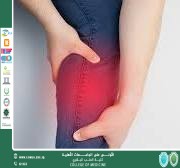
An urge to move the legs, usually accompanied by uncomfortable or unpleasant sensations in the legs
The symptoms begin or worsen during rest or inactivity (e.g., lying down or sitting)
The symptoms are relieved by movement
The symptoms occur exclusively or predominantly in the evening or night
These symptoms are not solely accounted for by another medical or behavioural condition
We suggest evaluating the iron status of all children with suspected or established RLS because of the association between RLS and iron deficiency.
Serum ferritin is the best single measure of iron stores. However, serum ferritin is an acute-phase reactant, and false elevation can occur for up to four weeks after febrile illness.
Physical exercise should be encouraged. It has been shown to increase deep sleep in children, improve RLS symptoms, and be of benefit for mental health, especially depression.
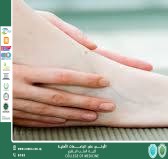
On nights when RLS sensations are particularly bothersome, the symptoms may be improved by leg massage, which acts as a counter-stimulus.