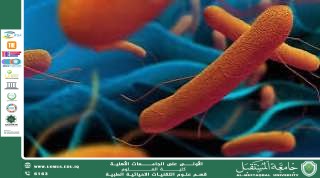
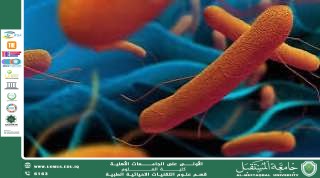
A scientific article by lecturer (M.M. Rasha Fajr Kazar) entitled "The relationship of typhoid fever to the body's immunity"
The Relationship Between Typhoid Fever and the Body's Immunity: A Comprehensive Scientific Analysis
Introduction
Typhoid fever is a serious bacterial infection caused by the bacterium Salmonella Typhi. It is transmitted through contaminated food or water and affects millions of people annually, particularly in areas with poor sanitation. The body's immunity plays a crucial role in resisting the infection, the progression of the disease, and even the effectiveness of vaccines against it. In this article, we will explore the complex relationship between typhoid fever and the immune system, and how the body reacts to this bacterium. 1. The Mechanism of Typhoid Infection and the Immune System's Evasion
Salmonella Typhi is characterized by its ability to penetrate the body's defenses through several mechanisms: *A. Penetrating the Intestinal Barrier** - The bacteria enter the body through the small intestine, then invade the intestinal epithelial cells and macrophages (specialized immune cells).
- They travel through the bloodstream to the liver, spleen, and bone marrow, causing symptoms such as fever and general weakness.
B. Immune Camouflage
- Bacteria use lipoglycoproteins (LPS) in their cell wall to avoid detection by antibodies.
- They secrete proteins that weaken the inflammatory response, allowing them to multiply without effective resistance from the body.
C. Intracellular Life
- Salmonella multiplies inside phagocytic cells (such as macrophages), protecting it from the immune system and medications.
--- 2. Immune Response to Typhoid
The body reacts to typhoid bacteria through multiple lines of defense:
A. Innate (Natural) Immunity
- Macrophages: Attempt to destroy the bacteria, but some strains resist phagocytosis.
- Natural Killer (NK) Cells: Release chemicals to attack infected cells.
- Inflammatory Response: Elevated temperature (fever) to try to kill the bacteria.
B. Adaptive (Acquired) Immunity
- Antibodies: The body produces antibodies against Salmonella antigens, such as anti-O and anti-H.
- T cells: These play a crucial role in eliminating bacteria within cells.
C. The Role of the Spleen and Liver
- The spleen acts as a filtering center for bacteria from the blood.
- The liver is a key site for neutralizing bacterial toxins.
---
3. Factors Affecting the Body's Immunity Against Typhoid
The strength of the immune response varies from person to person based on:
A. Genetic Factors
- Some people have a genetic predisposition that makes them more susceptible to severe illness.
B. Nutritional Status
- Deficiencies in vitamin A, zinc, and iron weaken the immune system and increase the risk of infection.
C. Chronic Diseases
- People with HIV/AIDS or diabetes are more prone to typhoid complications due to weakened immunity.
D. Vaccination
- Typhoid vaccines (such as the oral Ty21a vaccine or the Vi diabetes vaccine) stimulate immunity without causing the disease.
---
4. Typhoid Complications Related to Weakened Immunity
When the immune system fails to control the infection, serious complications may occur, such as:
- Intestinal bleeding or perforation.
- Encephalitis (encephalopathy).
- Spread of bacteria to the heart or bones (osteomyelitis).
---
5. Conclusion and Prevention
- Typhoid is a complex disease that interacts with the immune system in clever ways to evade its defenses.
- Strengthening immunity through proper nutrition, vaccination, and improved sanitation reduces the risk of infection.
- Antibiotic treatment (such as ciprofloxacin) is essential, but drug resistance has become a global challenge.
Main Message:
Preventing typhoid depends on strong immunity and a clean environment, which limits the spread of this disease that continues to threaten public health in many countries.
---
Suggested References:
- World Health Organization (WHO) - Typhoid Reports
- Research on the interactions of Salmonella Typhi with the immune system (*Nature Immunology*).
- Clinical studies on the effectiveness of typhoid vaccines.
> In conclusion: Health awareness and vaccination are the most powerful weapons to eliminate typhoid in the most vulnerable communities.
Al-Mustaqbal University, the leading university in Iraq.