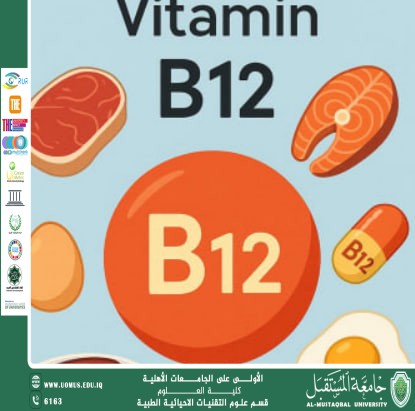
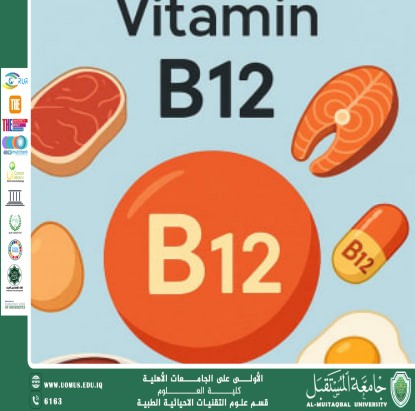
A scientific article by lecturer (M.M. Saja Jawad Obeid) entitled "Vitamin B12 Deficiency"
Vitamin B12 Deficiency: Causes, Symptoms, and Treatment
Introduction
Vitamin B12 (cobalamin) is an essential nutrient that plays a vital role in red blood cell formation, maintaining a healthy nervous system, and aiding in DNA synthesis. A deficiency in this vitamin can lead to serious health problems if not diagnosed and treated promptly.
Causes of Vitamin B12 Deficiency
1. Malabsorption: This can occur in some cases due to gastrointestinal disorders such as Crohn's disease or atrophic gastritis.
2. Pernicious anemia: This is an autoimmune condition that prevents the absorption of vitamin B12 due to a deficiency of intrinsic factor in the stomach.
3. Strict vegan diet: Vitamin B12 is primarily found in animal products, making vegans more susceptible to deficiency.
4. Aging: The body's ability to absorb the vitamin decreases with age.
5. Medications: Certain medications, such as proton pump inhibitors (PPIs) and metformin, can interfere with B12 absorption.
Symptoms of Vitamin B12 Deficiency
• Chronic fatigue and exhaustion
• Pale skin
• Shortness of breath
• Numbness or tingling in the hands and feet
• Loss of balance or difficulty walking
• Memory and concentration problems
• Mood swings or depression
• Inflammation of the tongue or mouth ulcers
Diagnosis of B12 Deficiency
This is done through a simple blood test to measure vitamin B12 levels. Additional tests may include measuring methylmalonic acid and homocysteine levels.
Treatment
Treatment depends on the cause and severity of the deficiency and may include:
• Oral vitamin B12 supplements.
• Regular intramuscular injections in severe cases or in cases of malabsorption.
• Dietary modifications to include vitamin B12-rich foods such as liver, meat, eggs, and fish.
Prevention
For those at higher risk of deficiency, regular monitoring of B12 levels, a balanced diet, or supplementation when needed is recommended.
Al-Mustaqbal University, the leading university in Iraq.