A scientific article by (Ahmed Jalal Naama) entitled "The role of beneficial bacteria in maintaining human health"
Microorganisms are an integral part of life on Earth, encompassing bacteria, fungi, viruses, and protists. While some of these organisms can be harmful, a vast number play beneficial roles, particularly in the human body. Among these, beneficial bacteria play a vital role in supporting overall health.
What are beneficial bacteria?
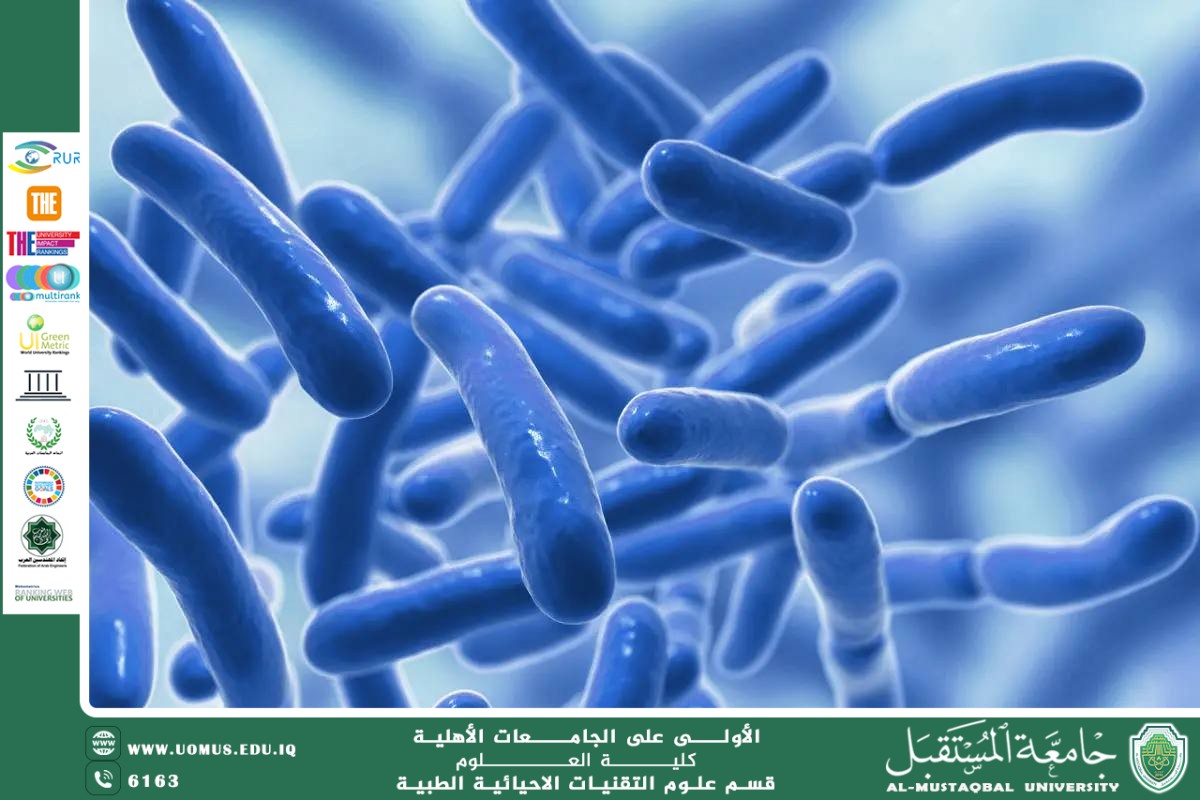
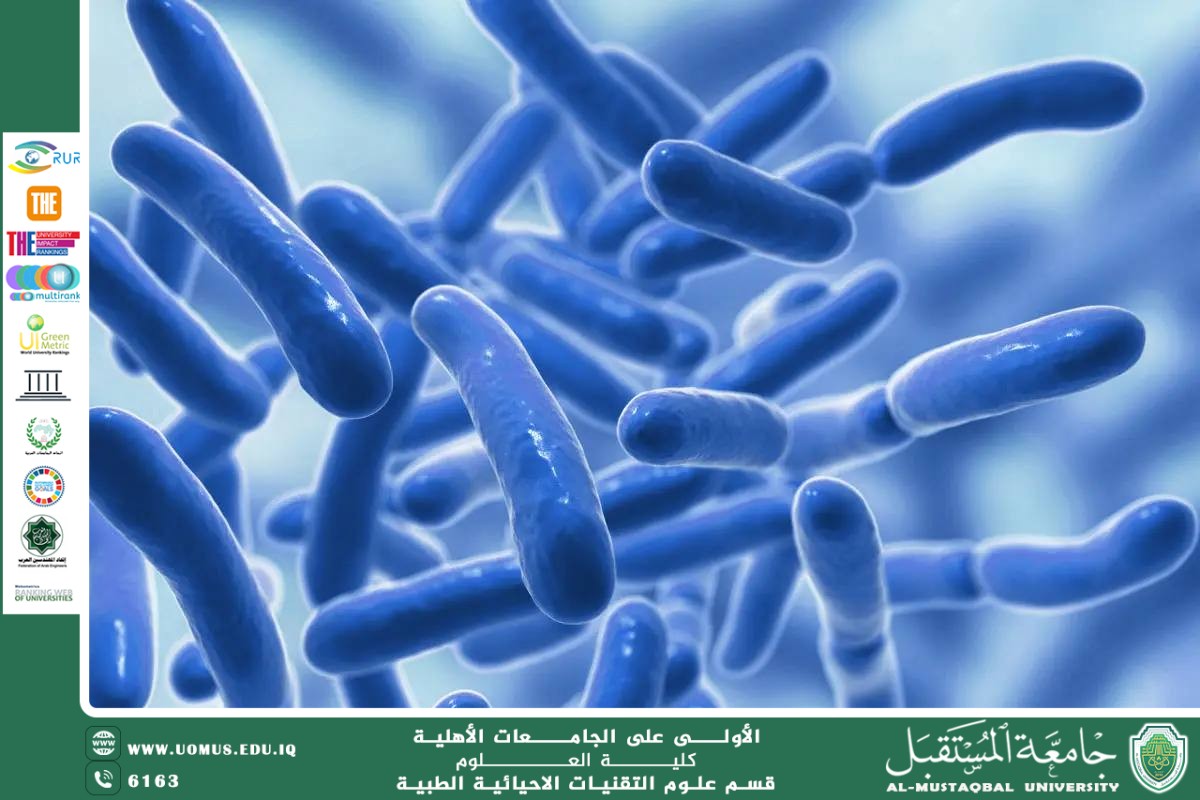
Beneficial bacteria, also known as the microbiome, are colonies of bacteria that naturally reside in the body, especially in the digestive system. Two prominent examples are Lactobacillus and Bifidobacterium. These bacteria live in a delicate balance within the body, assisting it in performing numerous functions.
Functions of beneficial bacteria:
1. Improved digestion: Beneficial bacteria help break down certain types of food that are difficult for the body to digest on its own.
2. Enhanced immunity: These bacteria stimulate the immune system and inhibit the proliferation of harmful bacteria. 3. Production of certain vitamins: such as vitamin K and some B vitamins.
4. Disease prevention: Beneficial bacteria fill the spaces in the intestines, preventing harmful bacteria from colonizing them.
Sources of beneficial bacteria:
Beneficial bacteria can be obtained by consuming probiotic-rich foods, such as:
• Yogurt
• Kefir
• Sauerkraut
• Kimchi
• Some types of cheese
Conclusion: Beneficial bacteria are a wonderful example of how microorganisms can be allies rather than enemies. Maintaining a balance of these bacteria through proper nutrition and avoiding the overuse of antibiotics is essential for both physical and mental health.
Al-Mustaqbal University, the leading university in Iraq