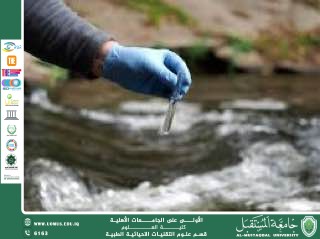
A scientific article (by Ahmed Jalal Naama) entitled "The use of microorganisms in the treatment of polluted water"
Microorganisms are among the most important natural tools used by humans in many vital fields, including wastewater treatment. Certain types of bacteria and fungi play a significant role in purifying water and removing harmful substances naturally and effectively.
What is Bioremediation?
Bioremediation is the use of microorganisms to break down pollutants and convert them into less harmful or harmless substances. This technology is particularly used in wastewater treatment plants.
Types of Microorganisms Used
1. Aerobic Bacteria: These bacteria require oxygen to live and break down organic matter, converting it into carbon dioxide and water.
2. Anaerobic Bacteria: These bacteria live in the absence of oxygen and break down complex organic matter, producing gases such as methane.
3. Fungi and Yeasts: These are sometimes used to break down certain toxic and complex substances.
Benefits of Using Microorganisms in Treatment
• Reducing environmental pollution naturally.
• Lowering treatment costs compared to chemical methods.
• Producing usable gases such as methane in some cases.
• Contributing to the reuse of treated water.
Conclusion
Microbiology plays a vital role in environmental protection by contributing to the purification of polluted water using environmentally friendly methods. As research in this field advances, these technologies can be further improved to become more efficient and effective in the future.
Al-Mustaqbal University, the leading university in Iraq