A scientific article by instructor Banin Maan Karim entitled "Plant Viruses and Their Impact on Crops and Agricultural Systems"
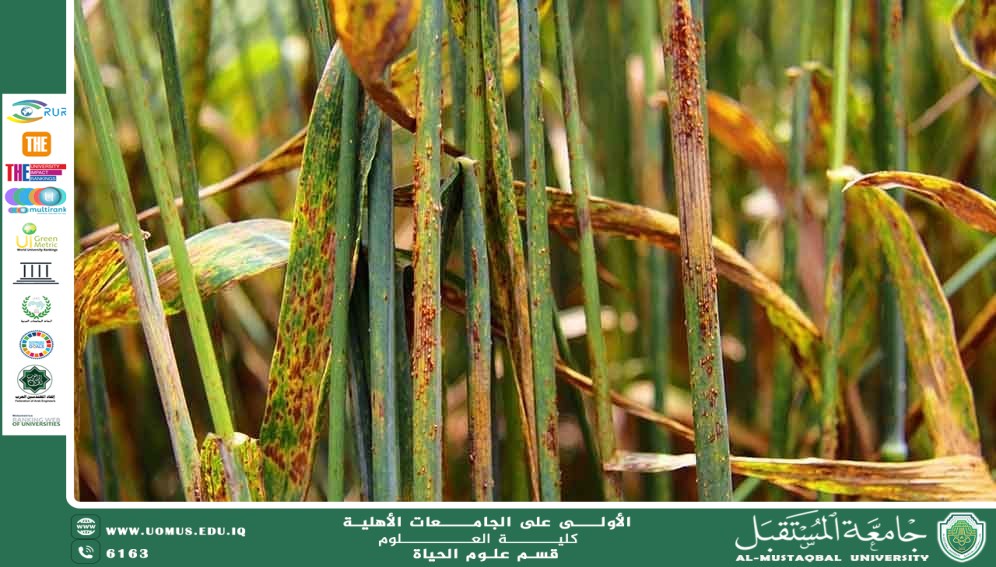
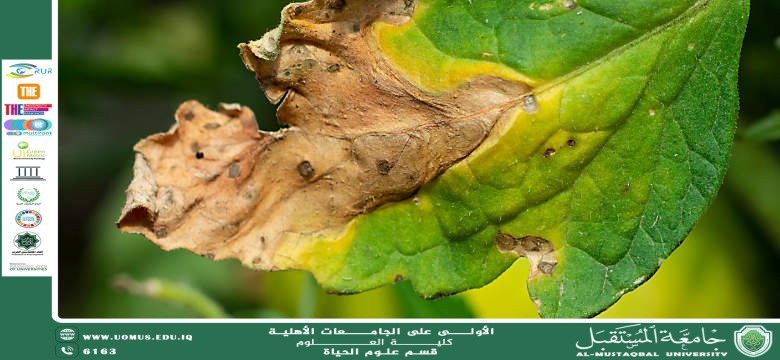
Plant viruses are microscopic agents that infect plants, causing various diseases that affect growth, productivity, and crop quality. These viruses are among the major biological factors causing economic losses in agriculture worldwide, as infections can lead to stunted growth, leaf and fruit deformation, abnormal plant coloration, and significant reductions in agricultural yield.
Plant viruses are transmitted through several means, including insect vectors such as aphids and scale insects, infected seeds, contaminated agricultural tools, and, in some cases, water and soil. The severity of symptoms and their impact vary depending on the type of virus, the host plant, and environmental conditions, making early diagnosis and preventive measures essential to limit the spread of viral diseases.
Prevention strategies include integrated pest management, using virus-resistant plant varieties, controlling insect vectors, removing infected plants, and sterilizing agricultural tools. Modern scientific research plays a crucial role in developing precise diagnostic techniques such as PCR tests, as well as innovative methods to produce resistant plants using genetic engineering and gene-editing technologies.
Plant viruses represent a significant challenge to global food security, as they can affect food production and increase reliance on chemical pesticides if not managed sustainably. Therefore, raising awareness among farmers and training them in proper agricultural practices is essential to ensure healthy crops and sustainable farming.