A scientific article by instructor Banin Maan Karim entitled "The Diversity of Animal Life and its Environmental and Economic Importance"
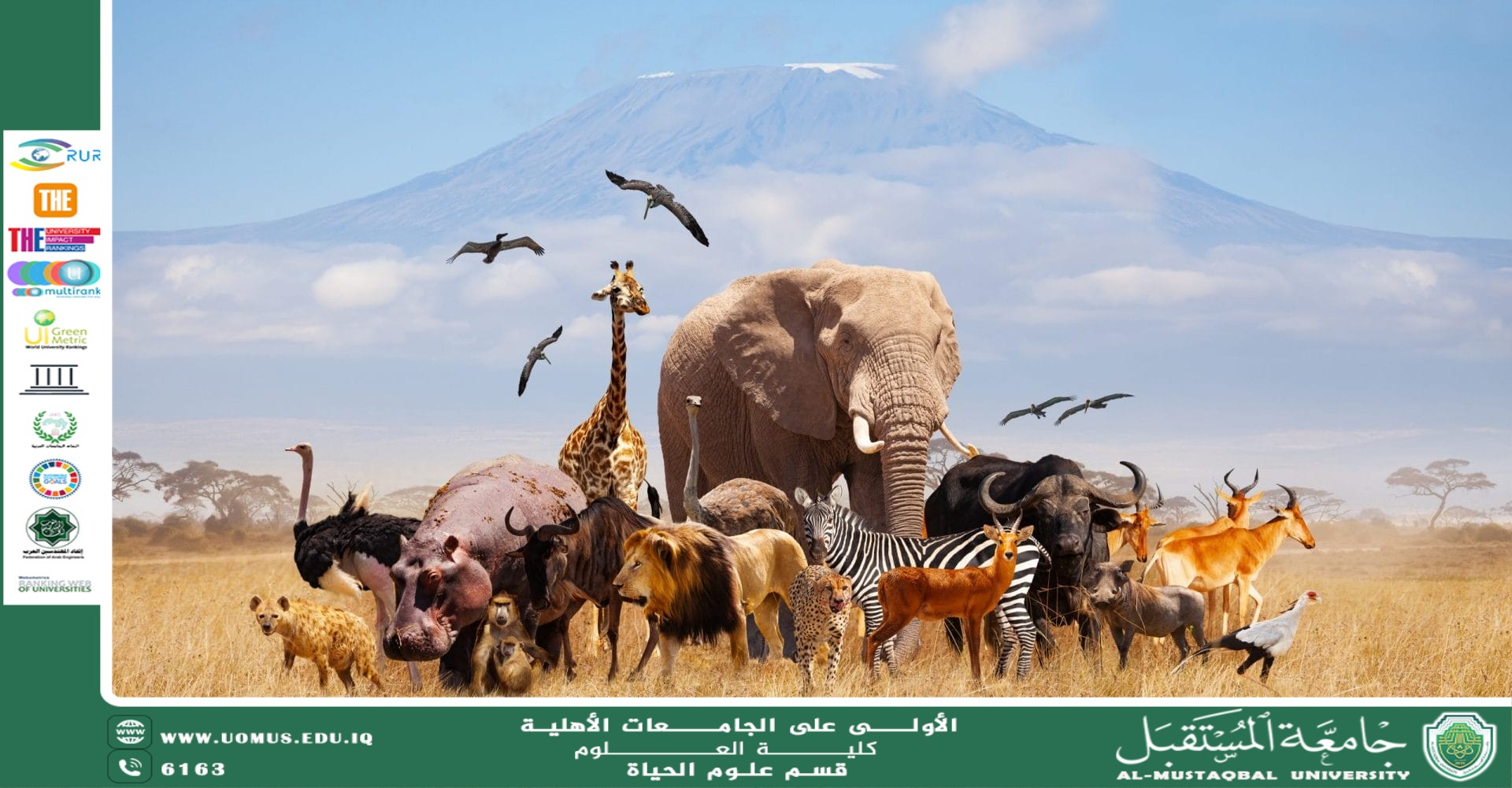
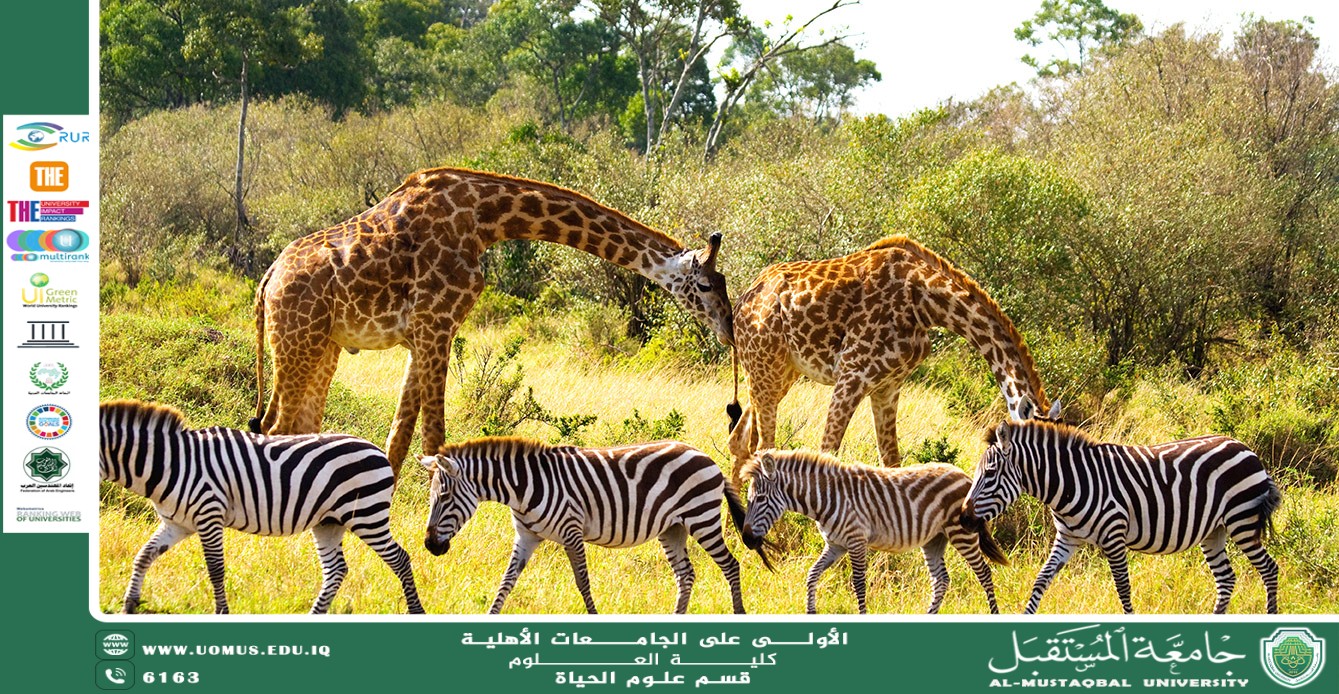
Animal diversity refers to the existence of a vast and varied array of living organisms belonging to the animal kingdom, differing in shape, size, behavior, and reproductive strategies. This diversity is a fundamental element for ecosystem sustainability, as animals play a central role in maintaining environmental balance through the food chain, pollination, seed dispersal, controlling populations of other organisms, and cleaning the environment from decomposing organic matter.
Animal diversity also contributes to environmental stability, as each species performs its ecological functions, ensuring the continuity of natural life cycles and minimizing the negative impacts of environmental changes. Furthermore, animal diversity provides humans with food resources, natural medicines, and economic opportunities through sustainable hunting, ecotourism, and animal husbandry.
Factors affecting animal diversity are numerous, including climate change, habitat destruction, urban expansion, overhunting, and environmental pollution. The introduction of alien or invasive species can also disrupt ecological balance and negatively affect native species. Therefore, preserving animal diversity is essential to ensure environmental and food security and achieve sustainable development.
Scientific studies and environmental research play a vital role in assessing endangered species, understanding interactions among species and their habitats, and developing effective strategies for wildlife conservation. Through these efforts, balanced ecosystems can be maintained, supporting the long-term health of the planet.