Educational Clinics and Their Role in Community Service
Ali Hussein
Educational clinics in colleges of dentistry are considered one of the most important pillars that integrate
academic education with community service, as they represent an effective link between educational institutions and the health needs of society. The role of these clinics is not limited to providing practical training for students; rather, it extends to offering preventive and therapeutic dental services that contribute to improving the level of oral and dental health among wide segments of the community.
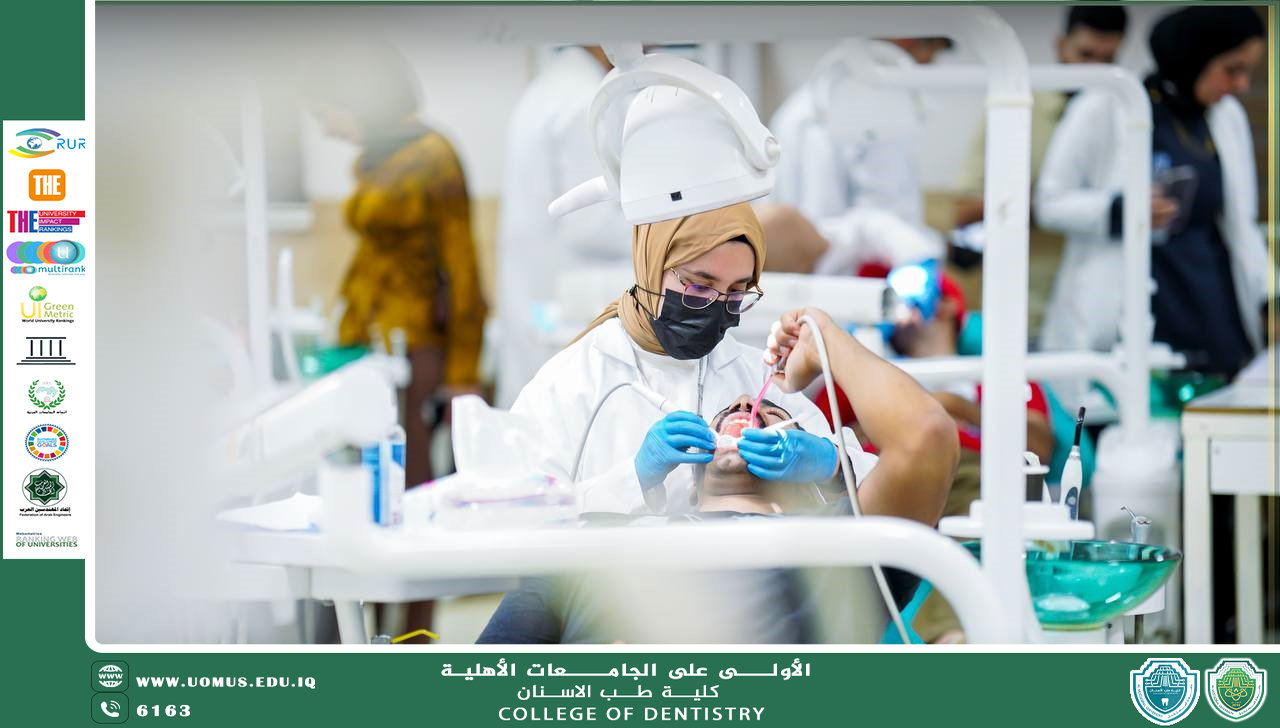
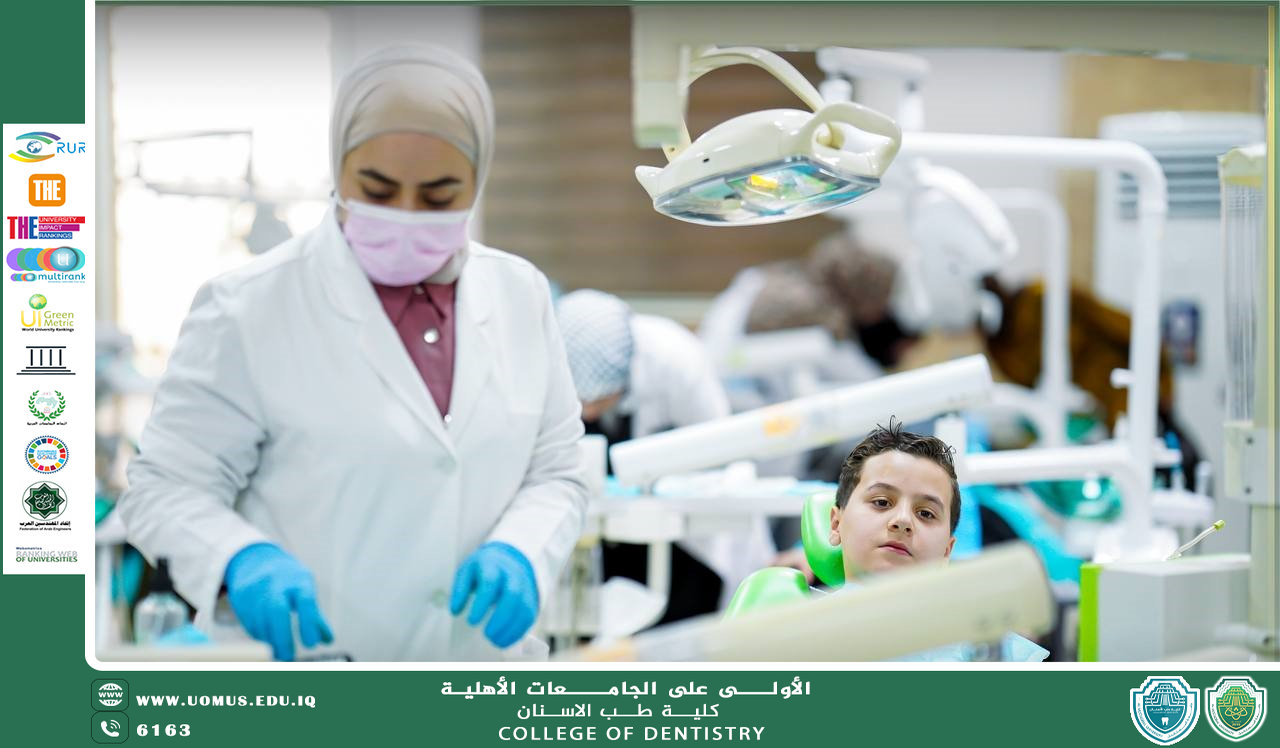
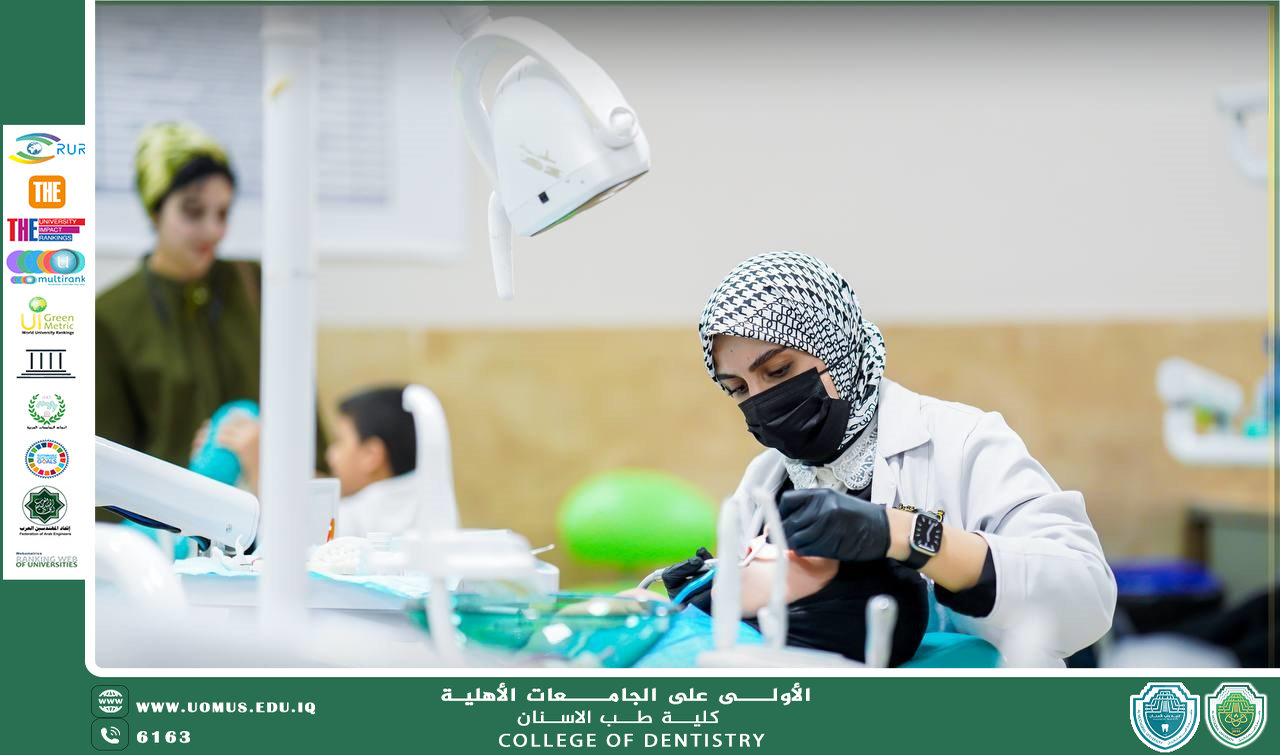
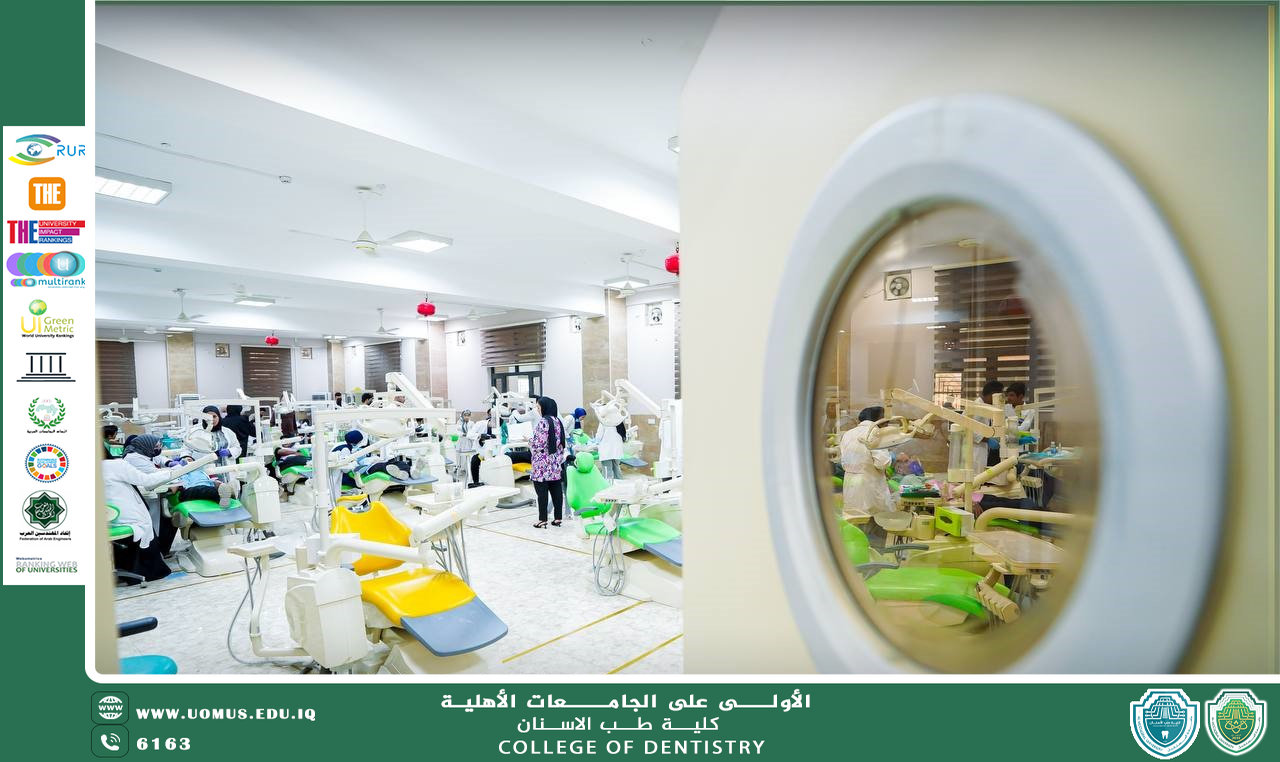
Educational clinics provide a real clinical training environment that enables dental students to apply the theoretical knowledge they acquire in classrooms under the supervision of experienced faculty members and specialists. This type of training enhances students’ clinical skills, develops their sense of professional responsibility, and prepares them to deal confidently and competently with various clinical cases before graduation and entry into the labor market.
From a community perspective, educational clinics play a vital role in delivering dental services at low cost or free of charge, allowing individuals from low-income groups to access appropriate oral healthcare. In addition, these clinics help reduce the burden on governmental health institutions and contribute to bridging the gap in the provision of dental services, particularly in communities that suffer from limited health awareness or restricted access to treatment.
Furthermore, educational clinics serve as an important platform for promoting health awareness. Students and faculty members participate in educational and awareness campaigns aimed at encouraging proper oral hygiene practices, preventing dental caries and periodontal diseases, and highlighting the importance of regular dental check-ups. Such activities contribute to building sustainable community awareness, which positively reflects on overall public health.
Educational clinics also play a significant role in supporting scientific research, as they provide an important source of clinical data used in scientific studies and research projects. This contributes to the development of treatment methods and the improvement of healthcare service quality. Moreover, these clinics help instill values of teamwork and professional ethics among students through adherence to quality standards and occupational safety protocols.
In conclusion, educational clinics represent an integrated model that combines education, community service, and scientific research. They play an effective role in preparing competent dental professionals while simultaneously improving community health and contributing to the achievement of sustainable development goals in the healthcare sector.