Artificial Intelligence in the Diagnosis of Oral Diseases
Ali Hussein
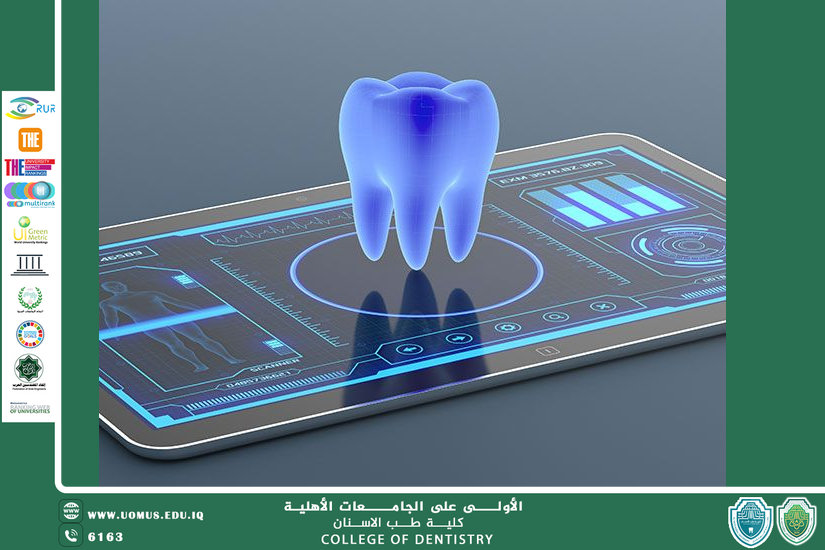
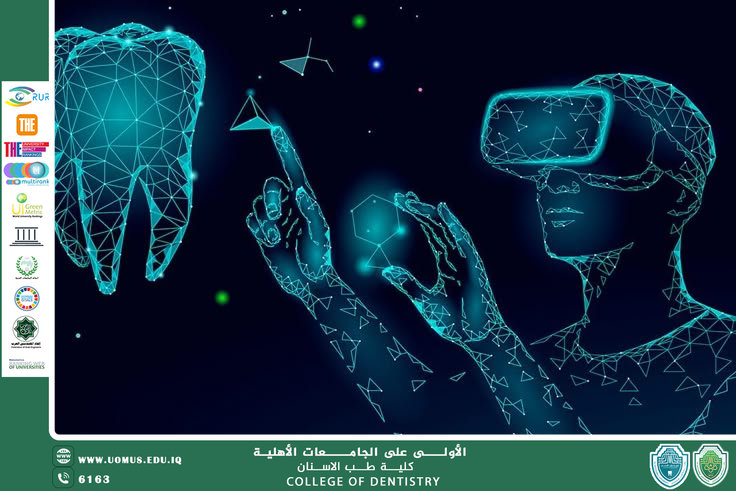
The world is currently witnessing rapid advancements in artificial intelligence technologies, and this progress has clearly influenced the healthcare sector in general and dentistry in particular. Artificial intelligence has become a modern and effective tool that contributes to improving the accuracy and speed of diagnosing oral and dental diseases. The adoption of such technologies represents an important step toward enhancing the quality of healthcare and providing more efficient services to patients.
Artificial intelligence in oral disease diagnosis relies on analyzing large amounts of clinical data, such as radiographic images, intraoral photographs, and digital medical records, using advanced algorithms capable of learning and inference. These systems assist in the early detection of many conditions, including dental caries, periodontal diseases, oral lesions, and even oral cancer, sometimes with a level of accuracy that surpasses traditional diagnostic methods.
Artificial intelligence helps reduce the possibility of human error by providing objective, data-driven analytical results that support the dentist’s clinical decision-making and aid in selecting the most appropriate treatment plan. In addition, it saves time and effort, as intelligent systems can analyze images and reports within seconds, positively impacting workflow efficiency in dental clinics.
From an educational perspective, artificial intelligence serves as an important tool in training dental students by exposing them to various pathological patterns and enhancing their diagnostic skills through simulation and continuous assessment. It also supports scientific research by analyzing clinical data and extracting insights that contribute to the development of diagnostic and therapeutic approaches.
At the community level, artificial intelligence contributes to improving access to healthcare, particularly in areas suffering from a shortage of specialized dental professionals. Intelligent systems can be used as supportive tools for preliminary diagnosis and treatment guidance. Moreover, this enhances the concept of preventive dentistry through early detection and reduction of complications.
In conclusion, artificial intelligence represents a significant transformation in the diagnosis of oral diseases and has become an indispensable supportive tool in modern dentistry. It contributes to improving diagnostic efficiency, enhancing the quality of education and healthcare services, and aligning with scientific progress and sustainable development goals in the healthcare sector.