Modern Construction and Its Role in Developing the Building Sector
Introduction
The construction and building sector has witnessed rapid development in recent years due to technological advancements and the increasing need for more efficient and sustainable construction solutions. As a result, what is known as modern construction has emerged, relying on advanced techniques and methods aimed at reducing time and cost, improving quality, and minimizing negative environmental impacts.
Concept of Modern Construction
Modern construction refers to a set of methods and technologies based on innovation in design, execution, and material usage. These methods include prefabricated construction, 3D printing, smart systems, and sustainable materials, replacing traditional approaches that depend heavily on manual labor.
Key Modern Construction Technologies
1. Prefabricated Construction
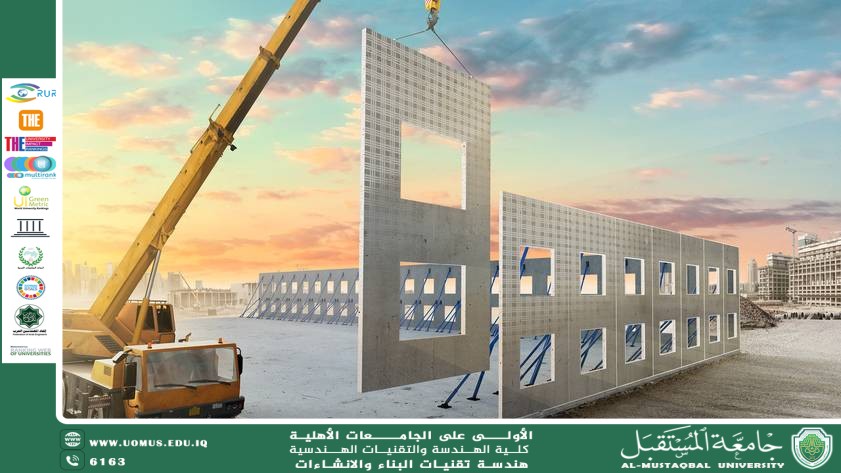
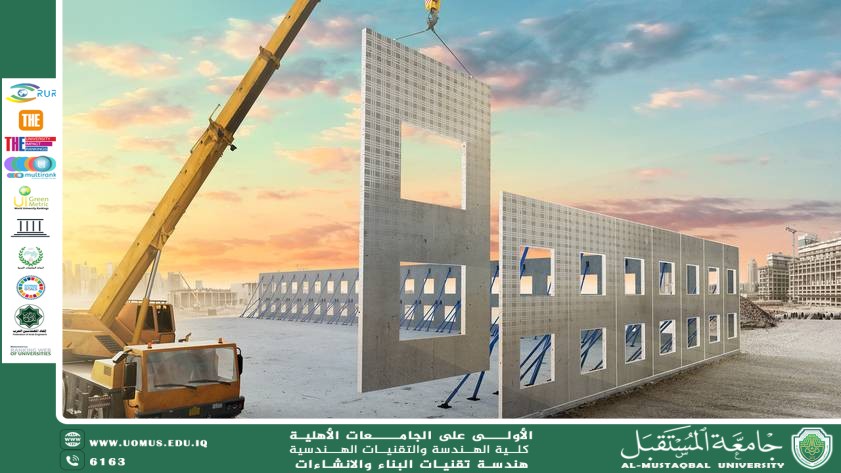
This method involves manufacturing building components (such as columns, walls, and slabs) in factories and then transporting them to the site for installation. Its main advantages include:
Reduced construction time
Improved quality of structural elements
Reduced material waste
2. 3D Printing in Construction
3D printing is considered one of the most advanced construction technologies, allowing entire structural elements to be built using 3D printers. Its key features include:
Rapid construction
Reduced labor requirements
High flexibility in architectural forms
3. Smart Buildings
Smart buildings rely on integrating intelligent control systems for lighting, ventilation, energy, and security, leading to:
Higher energy efficiency
Improved user comfort
Reduced operation and maintenance costs
4. Use of Sustainable Materials
These include green concrete, recycled construction waste, and the use of natural or industrial fibers to enhance mechanical properties while reducing environmental impact.
Role of Modern Construction in Sustainability
Modern construction plays a vital role in achieving sustainable development goals by:
Reducing the consumption of natural resources
Lowering carbon emissions
Improving energy and water efficiency
Supporting the circular economy in the construction sector
Challenges Facing the Application of Modern Construction
Despite its many advantages, modern construction faces several challenges, including:
High initial costs of some technologies
The need for trained and qualified personnel
Weak local regulations or supporting standards
Resistance to change and reliance on traditional methods
Conclusion
Modern construction represents the future of the building sector, contributing to the development of more efficient, high-quality, and sustainable structures. Successful implementation requires strengthening scientific research, updating educational curricula, and supporting applied projects that keep pace with global advancements in this field, especially in developing countries.