

The Effects of Increased Creatine Levels in the Human Body
Creatine is a naturally occurring nitrogen-containing compound synthesized in the human body from the amino acids arginine, glycine, and methionine. It is primarily stored in skeletal muscles and plays an essential role in cellular energy production, particularly during high-intensity physical activity. In recent years, the use of creatine supplements has increased among athletes and non-athletes alike, raising scientific questions regarding the effects of elevated creatine levels on overall health.
Mechanism of Action of Creatine in the Body
Within muscle cells, creatine is converted into phosphocreatine, which contributes to the regeneration of adenosine triphosphate (ATP), the primary energy source of cells. Increased creatine stores enhance the ability to perform short-duration, high-intensity exercises such as weightlifting and sprinting.
Positive Effects of Increased Creatine
Improved Muscle Performance
Higher creatine levels increase muscle strength and endurance and delay the onset of muscular fatigue, thereby enhancing athletic performance.
Increased Muscle Mass
Creatine helps increase muscle size by drawing water into muscle cells and stimulating muscle protein synthesis.
Support of Neurological Functions
Recent studies suggest a potential role for creatine in improving cognitive function and protecting nerve cells, particularly in conditions associated with reduced brain energy availability.
Post-Exercise Recovery
Creatine contributes to reducing muscle damage and inflammation following intense exercise, thereby accelerating recovery.
Potential Negative Effects of Increased Creatine
Fluid Retention
Elevated creatine levels may cause water retention within muscle tissue, leading to weight gain and a sensation of bloating.
Gastrointestinal Disturbances
Some individuals may experience nausea, diarrhea, or abdominal cramps when consuming high doses of creatine.
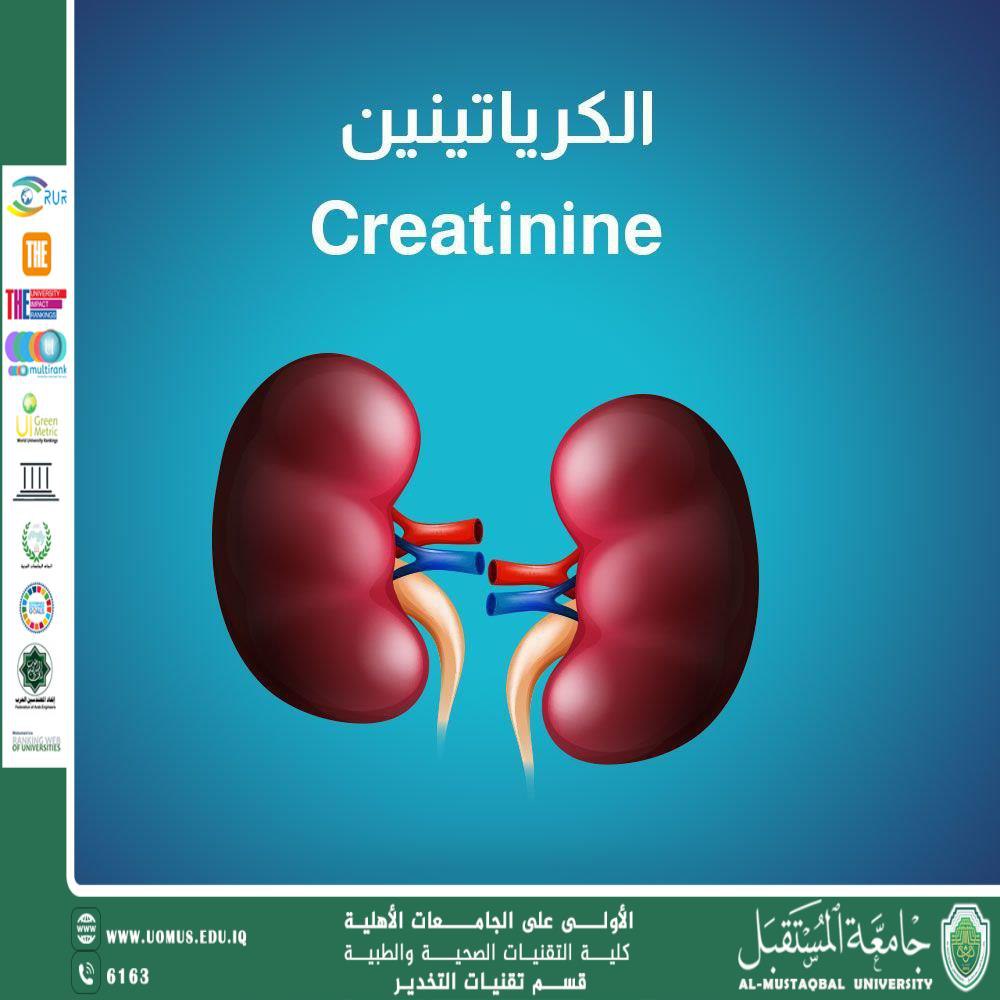
Effects on Kidney Function
Although studies indicate that creatine is safe for healthy individuals when consumed at recommended doses, excessive intake may pose a risk to individuals with kidney disease or a predisposition to renal problems.
Increased Blood Creatinine Levels
Creatinine levels may rise, which can be misinterpreted as impaired kidney function during laboratory testing.
Safe Dosage and Precautions
Research recommends a daily dose of 3–5 grams without the need for a loading phase. Adequate water intake is essential. Creatine supplementation should be avoided or used only under medical supervision in individuals with kidney or liver disease, as well as in older adults.
Conclusion
Scientific evidence demonstrates that increasing creatine levels within recommended limits offers clear benefits in enhancing muscle performance, increasing muscle mass, and supporting neurological functions. However, uncontrolled or excessive use may lead to potential side effects, particularly in vulnerable populations. Therefore, informed use under the guidance of healthcare professionals is strongly recommended.
Ahmed Ibraheem
Al-Mustaqbal University
The First University in Iraq.