Smart Applications for Mental Well-Being: From Phone to Therapy (By: Programmer Aya Jamal Hedi)
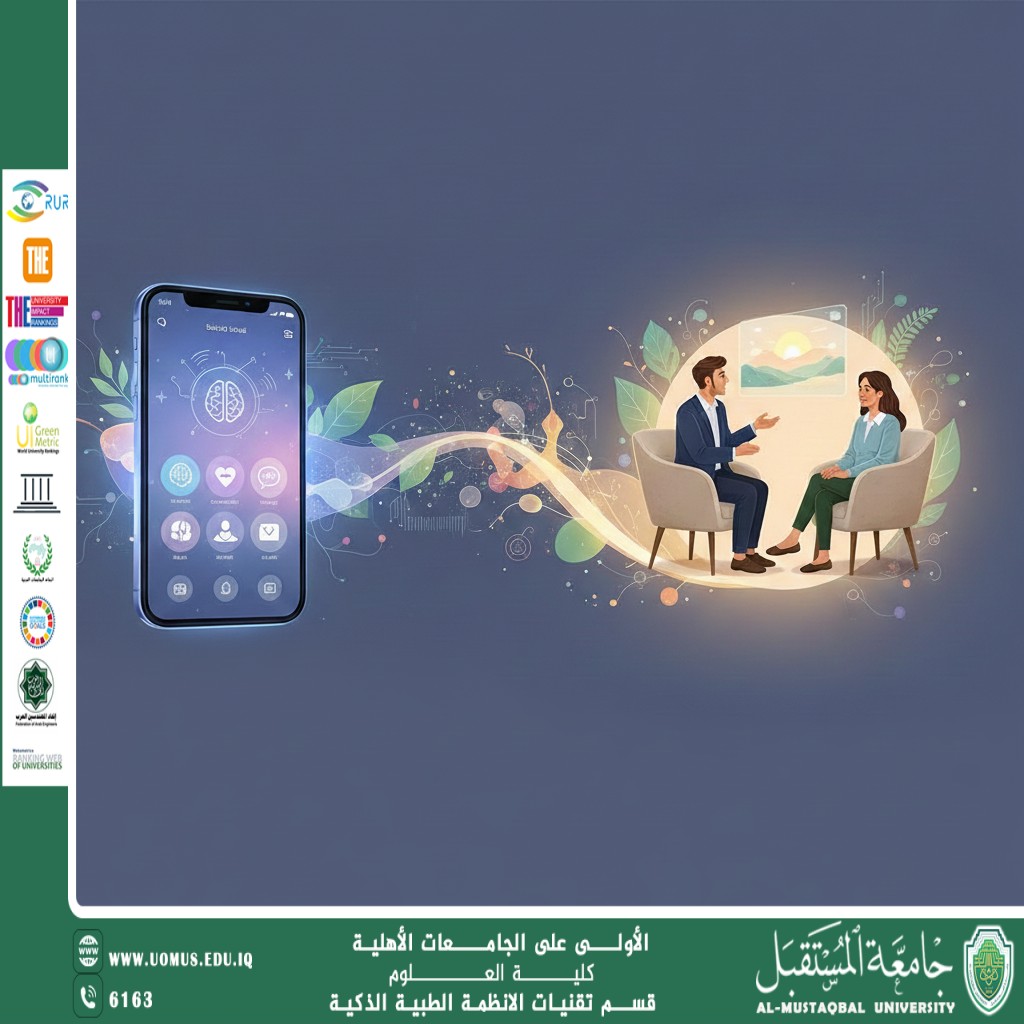
In recent years, there has been an unprecedented boom in digital technology and this revolution has not been limited to communication and work but has extended to mental health and psychological well-being Smart applications have become one of the leading tools that help individuals improve their mental health manage stress and develop relaxation and self-awareness skills turning the mobile phone from a tool for communication and entertainment into a therapeutic platform
The digital transformation in mental health is evident through these applications which provide access to psychological support without the need to wait for long appointments with doctors or therapists They offer a variety of services such as guided meditation breathing exercises anxiety and depression management techniques and psychological support through interactive sessions and mood tracking tools This digital shift allows individuals to receive mental care in a more private and flexible way
Smart applications rely on scientifically proven techniques such as cognitive behavioral therapy which helps users recognize and modify negative thoughts or mindfulness and meditation which focus on increasing awareness of the present moment to reduce psychological stress Some applications use artificial intelligence to provide personalized advice track mental health progress and send motivational reminders to maintain healthy habits
Although these applications are effective in providing fast and flexible psychological support they are not a complete substitute for professional therapy in severe cases However they can serve as an effective complement to traditional therapy helping doctors and therapists monitor patients’ conditions between sessions and provide accurate data on sleep patterns stress levels and overall mood enabling more personalized treatment plans
Smart applications face some challenges such as privacy and data protection over-reliance on technology and difficulty evaluating the quality of some unverified apps Nevertheless the future holds great potential With the advancement of artificial intelligence and machine learning we may see smarter applications capable of delivering semi-personalized therapy and direct support to users anytime and anywhere
Smart applications represent a bridge between daily life and mental health turning mobile phones into tools for psychological support By combining scientific techniques with artificial intelligence methods individuals can improve their mental health more effectively and flexibly with the possibility of integrating these applications with traditional therapy to provide comprehensive and advanced psychological care