Dental Caries: Etiology, Clinical Features, and Prevention
Author:
Dr. Mujeeb Abdulhamza Jalil
Introduction
Dental caries, commonly referred to as tooth decay, is one of the most prevalent chronic diseases affecting individuals of all age groups worldwide. It is a multifactorial condition characterized by the progressive destruction of the hard dental tissues, including enamel and dentin. Despite major advancements in preventive dentistry, dental caries remains a significant public health issue due to its impact on oral health, function, and overall quality of life.
Etiology and Pathophysiology
Dental caries develops as a result of a complex interaction between four key factors: a susceptible tooth surface, cariogenic microorganisms, fermentable carbohydrates, and time. Oral bacteria, particularly Streptococcus mutans and Lactobacillus species, metabolize dietary sugars and produce organic acids.
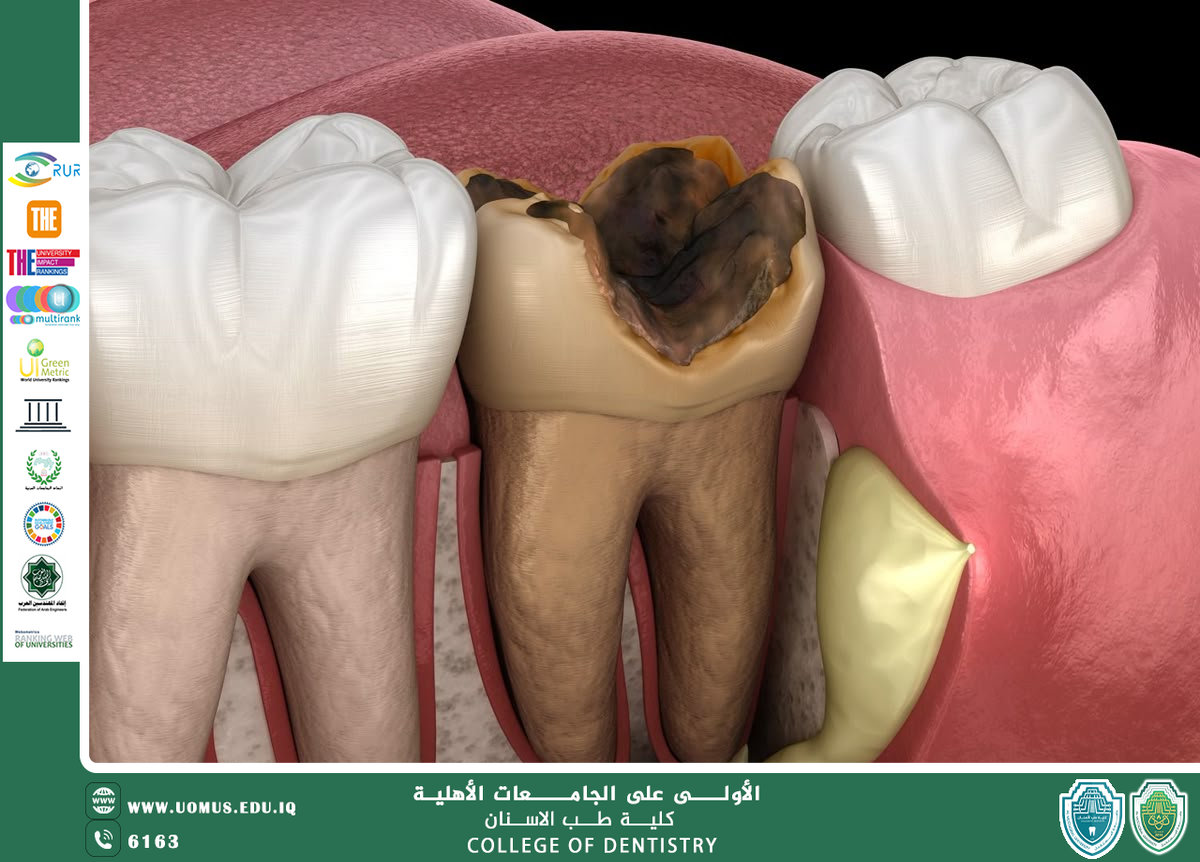
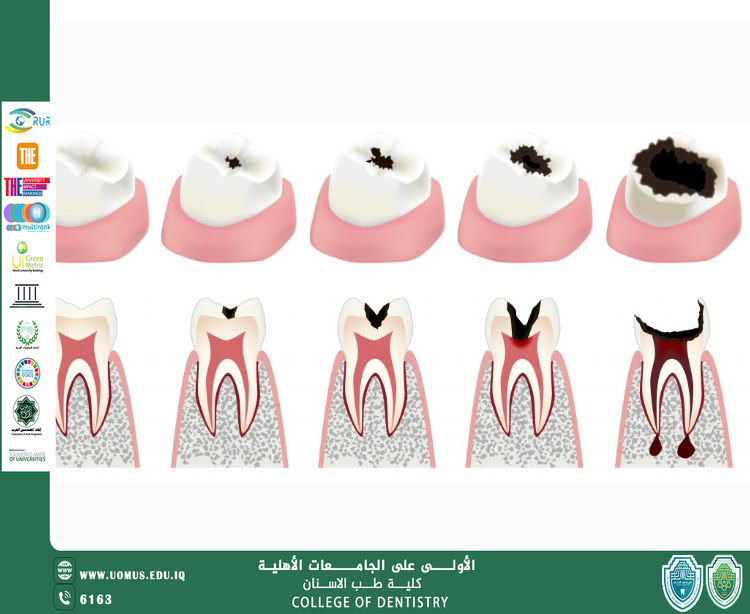
These acids lower the oral pH, leading to demineralization of enamel and dentin. When the demineralization process exceeds the natural remineralization capacity provided by saliva and fluoride, a carious lesion forms. If left untreated, the lesion may progress deeper toward the pulp, resulting in pain and infection.
Clinical Presentation
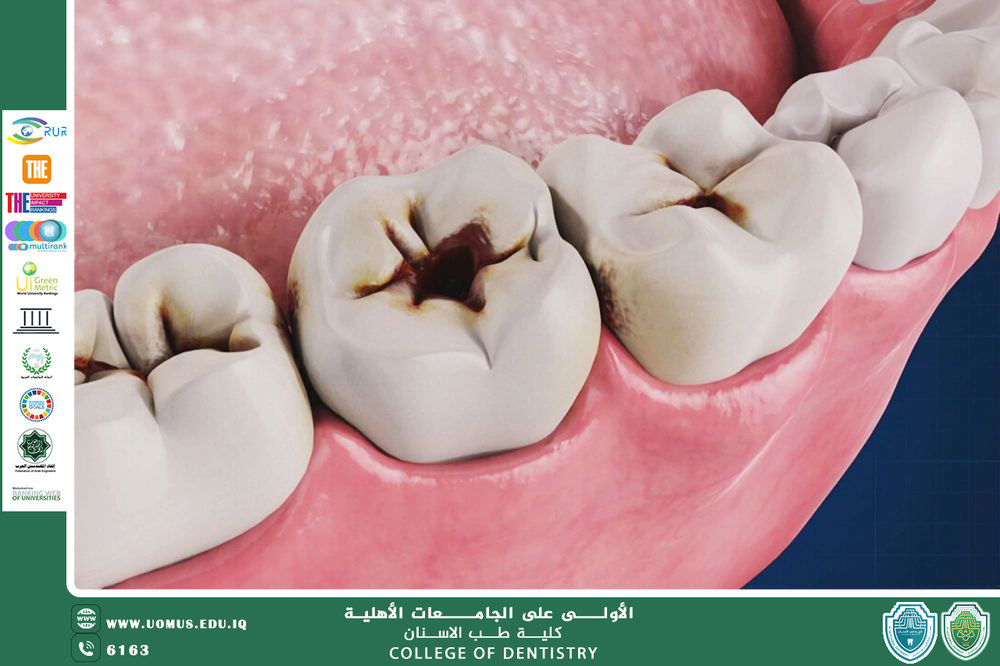
The clinical appearance of dental caries varies depending on the stage and location of the lesion. Early carious lesions often present as white spot lesions on the enamel surface, indicating Initial demineralization. As the disease progresses, cavitation occurs, accompanied by discoloration and surface roughness.
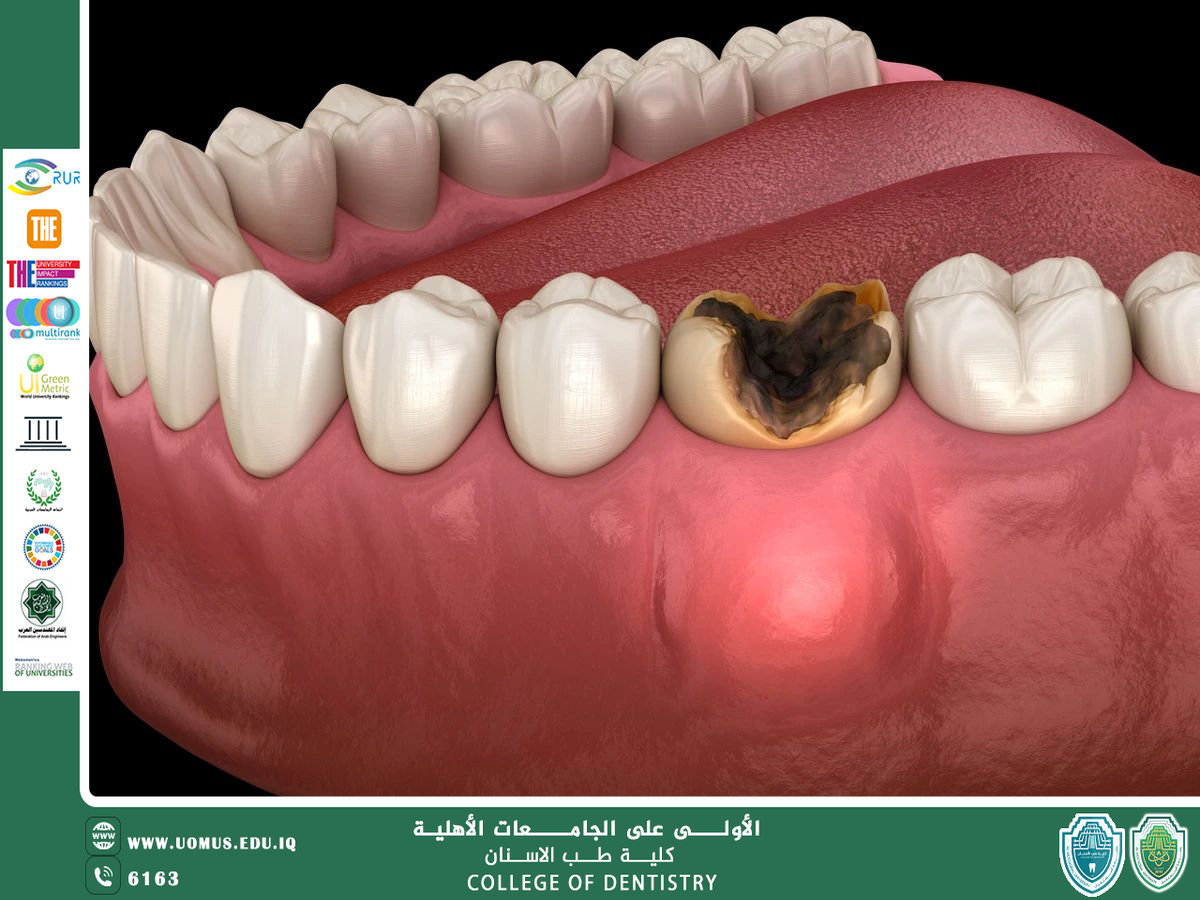
Patients may experience tooth sensitivity to thermal or sweet stimuli, pain during mastication, or spontaneous toothache in advanced stages. Untreated caries can lead to pulpitis, periapical pathology, and eventual tooth loss.
Risk Factors
Several factors increase the risk of developing dental caries, including poor oral
hygiene, frequent consumption of sugary foods and beverages, reduced salivary flow, inadequate fluoride exposure, and irregular dental visits. Socioeconomic factors and limited access to dental care also contribute significantly to caries prevalence.
Prevention and Management
Prevention of dental caries focuses on controlling etiological factors. Proper oral hygiene practices, such as regular tooth brushing with fluoride toothpaste and interdental cleaning, play a crucial role. Dietary modifications aimed at reducing sugar intake, along with professional fluoride applications, significantly enhance enamel resistance to acid attacks.
Management strategies depend on the severity of the lesion. Early-stage caries may be arrested or reversed through remineralization techniques, whereas advanced lesions require restorative intervention. Regular dental check-ups are essential for early diagnosis and effective treatment.
Conclusion
Dental caries is largely preventable, yet It continues to affect a significant portion of the population. Understanding its etiology, clinical features, and preventive measures is essential for dental professionals and patients alike. Emphasizing prevention, early detection, and timely management can substantially reduce the burden of dental caries and improve overall oral health.