
Sustainable Development Goals
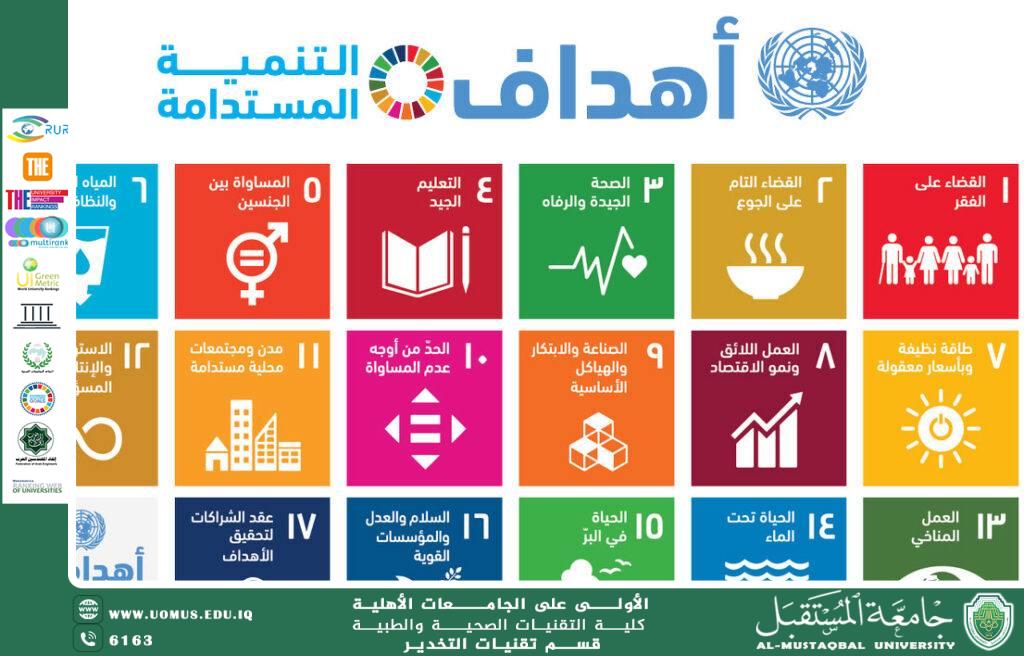
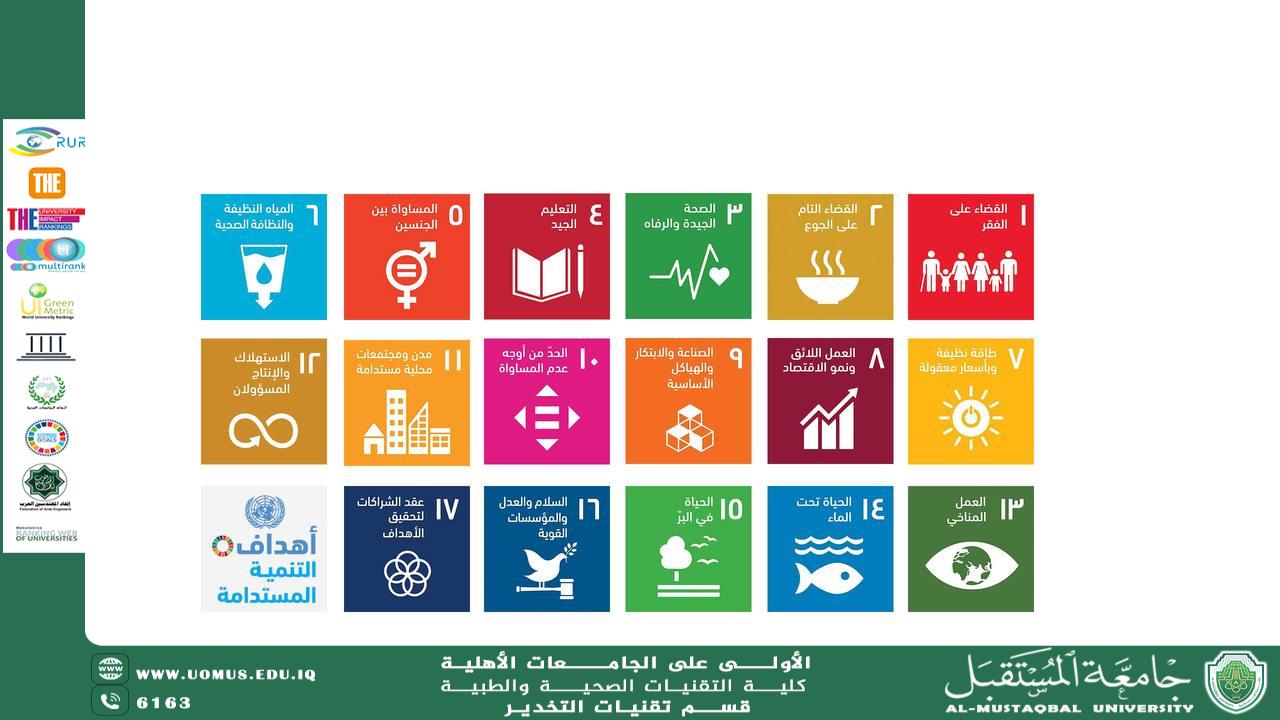
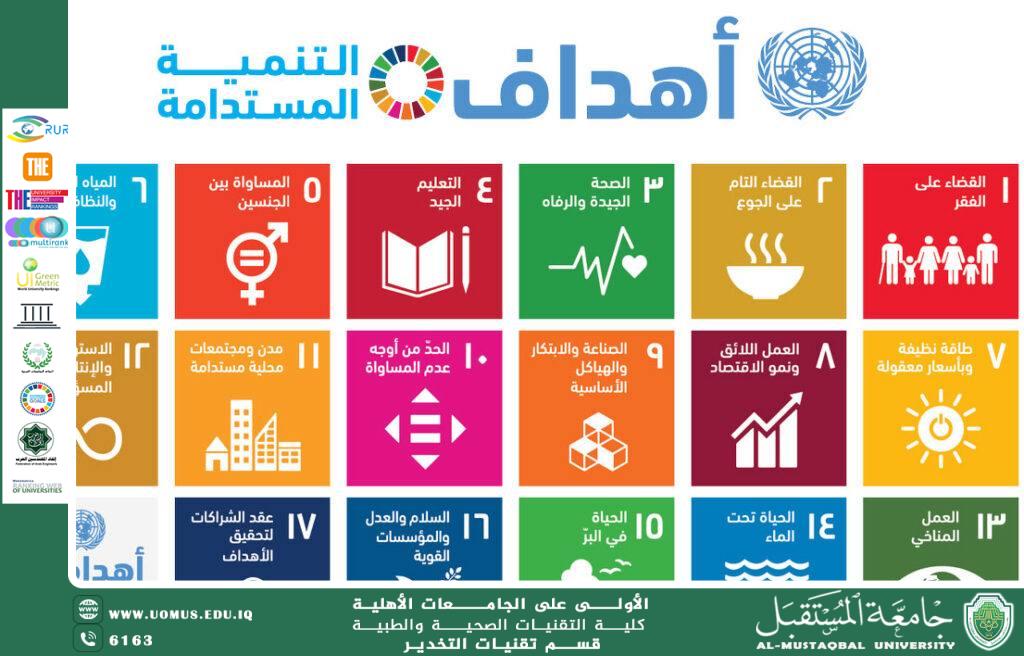
...The 2030 Agenda for Sustainable Development, adopted by all United Nations Member States in 2015, provides a shared blueprint for peace and prosperity for people and the planet, now and into the future. At its heart are the 17 Sustainable Development Goals (SDGs), which are an urgent call for action by all countries - developed and developing - in a global partnership. They recognize that ending poverty and other deprivations must go hand-in-hand with strategies that improve health and education, reduce inequality, and spur economic growth – all while tackling climate change and working to preserve our oceans and forests.
1. No Poverty (End poverty in all its forms, everywhere).
Poverty denies children their fundamental rights to health, protection, education and much more. Without global action, child poverty is likely to entrench social inequality and cut off the most vulnerable girls and boys from the services they need to survive and thrive.
2. Zero Hunger (End hunger, achieve food security and improved nutrition, and promote sustainable agriculture)
Good nutrition is the bedrock of child development. Well-nourished children are better able to grow and learn, to participate in their communities, and to be resilient in the face of disease, disaster and other emergencies.
3. Good Health and Wellbeing (Ensure healthy lives and promote well-being for all, at all ages)
Tremendous progress in child and maternal health has been achieved over the past decades. More babies today live to celebrate their fifth birthday, while fewer mothers lose their lives during pregnancy and childbirth.
4. Quality Education (Ensure inclusive and equitable quality education and promote lifelong learning opportunities for all).
The right to education means the right to learn. But children worldwide are unable to attend school, or to develop basic reading and math skills, for various reasons.
5. Gender Equality (Achieve gender equality and empower all women and girls).
Gender-based violence, female genital mutilation, child marriage, an education denied ─ gender inequality takes many harmful forms.
Gender equality is a fundamental human right. It's also a precondition for economic growth and prosperity.
6. Clean Water and Sanitation (Ensure availability and sustainable management of water and sanitation for all).
Contaminated water and poor sanitation are among the leading causes of death for children under.Without safe water, sanitation and hygiene (WASH), children face an increased risk of preventable diseases and malnutrition. They're also less likely to attend school.
7. Affordable and Clean Energy (Ensure access to affordable, reliable, sustainable and modern energy for all).
Children worldwide face a host of environmental hazards related to unclean energy, like polluted air, contaminated water and toxic fumes. Access to clean, affordable energy is critical to a child's health.
8. Decent Work and Economic Growth (Promote inclusive and sustainable economic growth, full and productive employment, and decent work for all).
Some 1.8 billion young people are on the brink of adulthood. And nearly 60 per cent of them are projected to lack the skills they need to work and thrive by 2030. UNICEF and partners, through Generation Unlimited, are on a mission to skill the world’s young people and connect them to opportunities for employment, entrepreneurship and social impact.
9. Industry Innovation and Infrastructure
Build resilient infrastructure, promote inclusive and sustainable industrialization and foster innovation.
10. Reduce inequality within and among countries.
Around the world, children are cut off from essential care and services on the basis of race, gender, disability, language, religion and ethnicity.
11. Sustainable Cities and Communities (Make cities and human settlements inclusive, safe, resilient and sustainable).
12. Ensure sustainable Consumption and Production Patterns.
Global consumption and production trends deplete valuable natural resources and create toxic waste.
Ameer Bahaa Fahim, [24 Dec 2025 at 9:02:06 am]:
Children are the least responsible for environmental degradation, yet they'll bear the greatest burden of its impact – mostly in the form of health and developmental issues.
13. Climate Action (take urgent action to combat climate change and its impacts).
Virtually every child on the planet is already affected by climate change. Natural disasters, environmental degradation and biodiversity loss cut children off from nutritious foods, clean air and safe water.
14. Life Below Water (Conserve and sustainably use the oceans, seas and marine resources for sustainable development).
The impacts of climate change are being felt around the world. And for many children, a change in climate is felt through a change in water.
15. Lfe on Land
Protect, restore and promote sustainable use of terrestrial ecosystems; sustainably manage forests; combat desertification; halt and reverse land degradation; and halt biodiversity loss.
16. Peace, Justice and Strong Institution
Promote peaceful and inclusive societies for sustainable development; provide access to justice for all; and build effective, accountable and inclusive institutions at all levels.
17. Partnerships for the Goals
Strengthen the means of implementation and revitalize the global partnership for sustainable development....
Mohamed Abo Al Soud
Al-Mustaqbal University
The First University in Iraq.