
Global warming
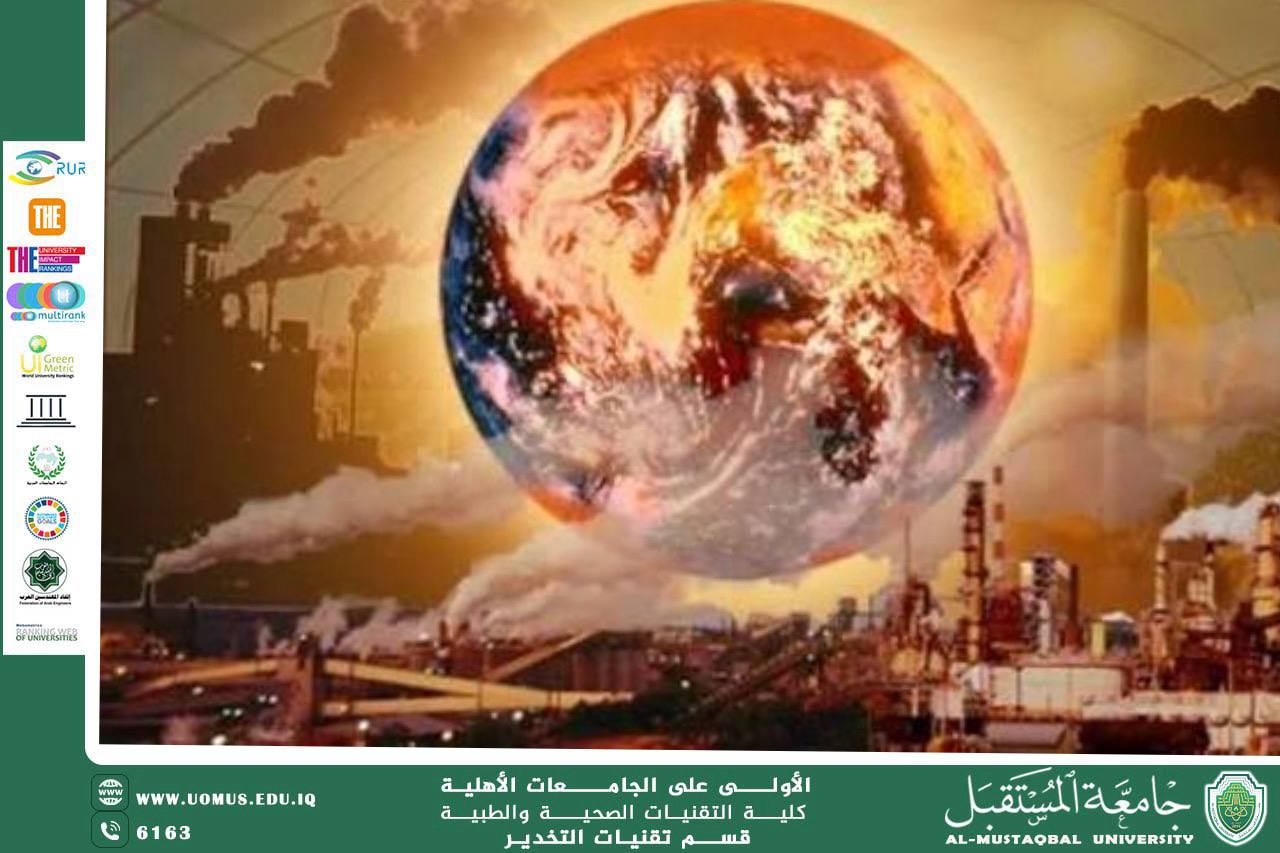
The phenomenon of increasing average air temperatures near the surface of Earth over the past one to two centuries. Climate scientists have since the mid-20th century gathered detailed observations of various weather phenomena (such as temperatures, precipitation, and storms) and of related influences on climate (such as ocean currents and the atmosphere’s chemical composition). These data indicate that Earth’s climate has changed over almost every conceivable timescale since the beginning of geologic time and that human activities since at least the beginning of the Industrial Revolution have a growing influence over the pace and extent of present-day climate change.
Many climate scientists agree that significant societal, economic, and ecological damage would result if the global average temperature rose by more than 2 °C (3.6 °F) in such a short time. Such damage would include increased extinction of many plant and animal species, shifts in patterns of agriculture, and rising sea levels. By 2015 all but a few national governments had begun the process of instituting carbon reduction plans as part of the Paris Agreement, a treaty designed to help countries keep global warming to 1.5 °C (2.7 °F) above preindustrial levels in order to avoid the worst of the predicted effects. Whereas authors of the 2018 special report noted that should carbon emissions continue at their present rate, the increase in average near-surface air temperature would reach 1.5 °C sometime between 2030 and 2052, authors of the AR6 report suggested that this threshold would be reached by 2041 at the latest.
Causes of global warming
1. Deforestation
Plants are the main source of oxygen. They take in carbon dioxide and release oxygen thereby maintaining environmental balance. Forests are being depleted for many domestic and commercial purposes. This has led to an environmental imbalance, thereby giving rise to global warming.
2. Use of Vehicles
The use of vehicles, even for a very short distance results in various gaseous emissions. Vehicles burn fossil fuels which emit a large amount of carbon dioxide and other toxins into the atmosphere resulting in a temperature increase.
3. Chlorofluorocarbon
With the excessive use of air conditioners and refrigerators, humans have been adding CFCs into the environment which affects the atmospheric ozone layer. The ozone layer protects the earth surface from the harmful ultraviolet rays emitted by the sun. The CFCs have led to ozone layer depletion making way for the ultraviolet rays, thereby increasing the temperature of the earth.
4. Industrial Development
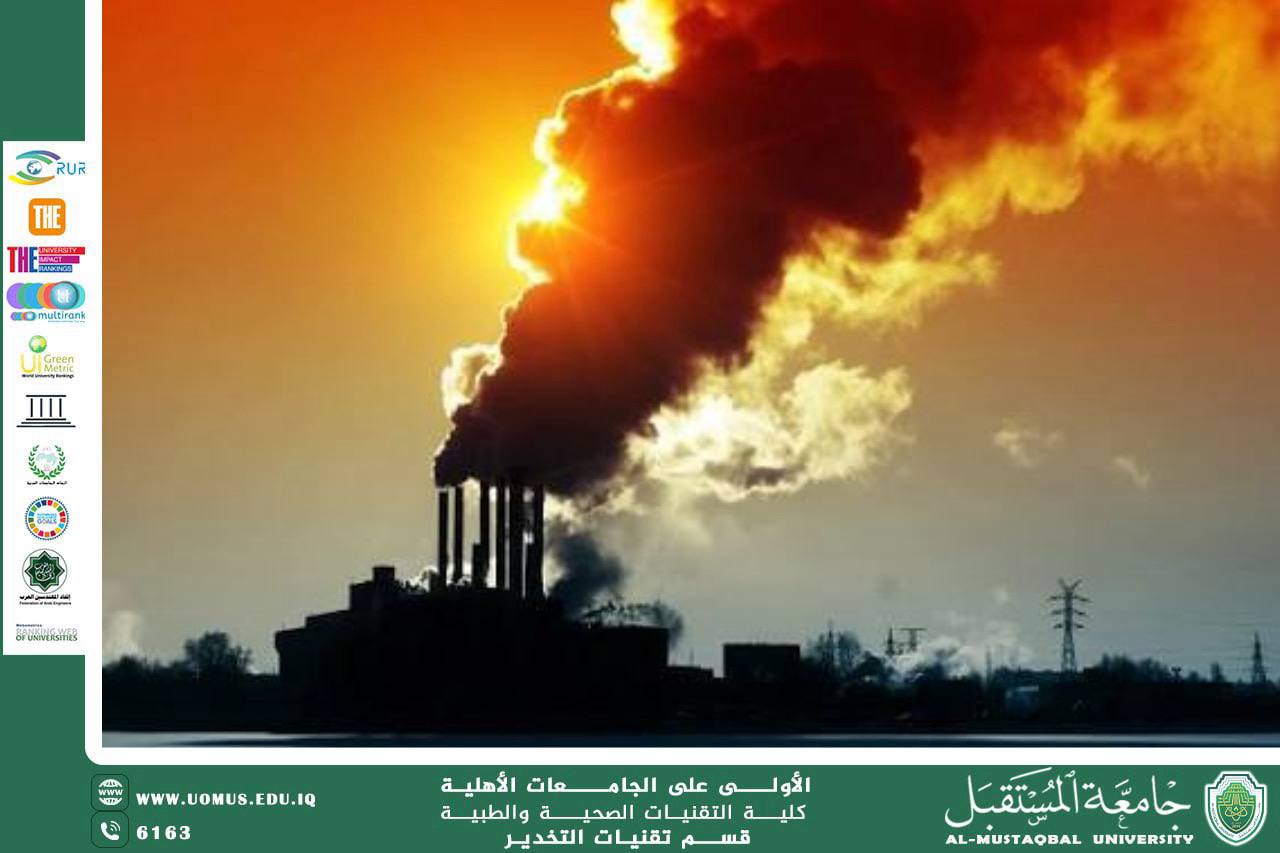
With the advent of industrialization, the temperature of the earth has been increasing rapidly. The harmful emissions from the factories add to the increasing temperature of the earth.
In 2013, the Intergovernmental Panel for Climate Change reported that the increase in the global temperature between 1880 and 2012 has been 0.9 degrees Celsius. The increase is 1.1 degrees Celsius when compared to the pre-industrial mean temperature.
5. Agriculture
Various farming activities produce carbon dioxide and methane gas. These add to the greenhouse gases in the atmosphere and increase the temperature of the earth.
6. Overpopulation
An increase in population means more people breathing. This leads to an increase in the level of carbon dioxide, the primary gas causing global warming, in the atmosphere.
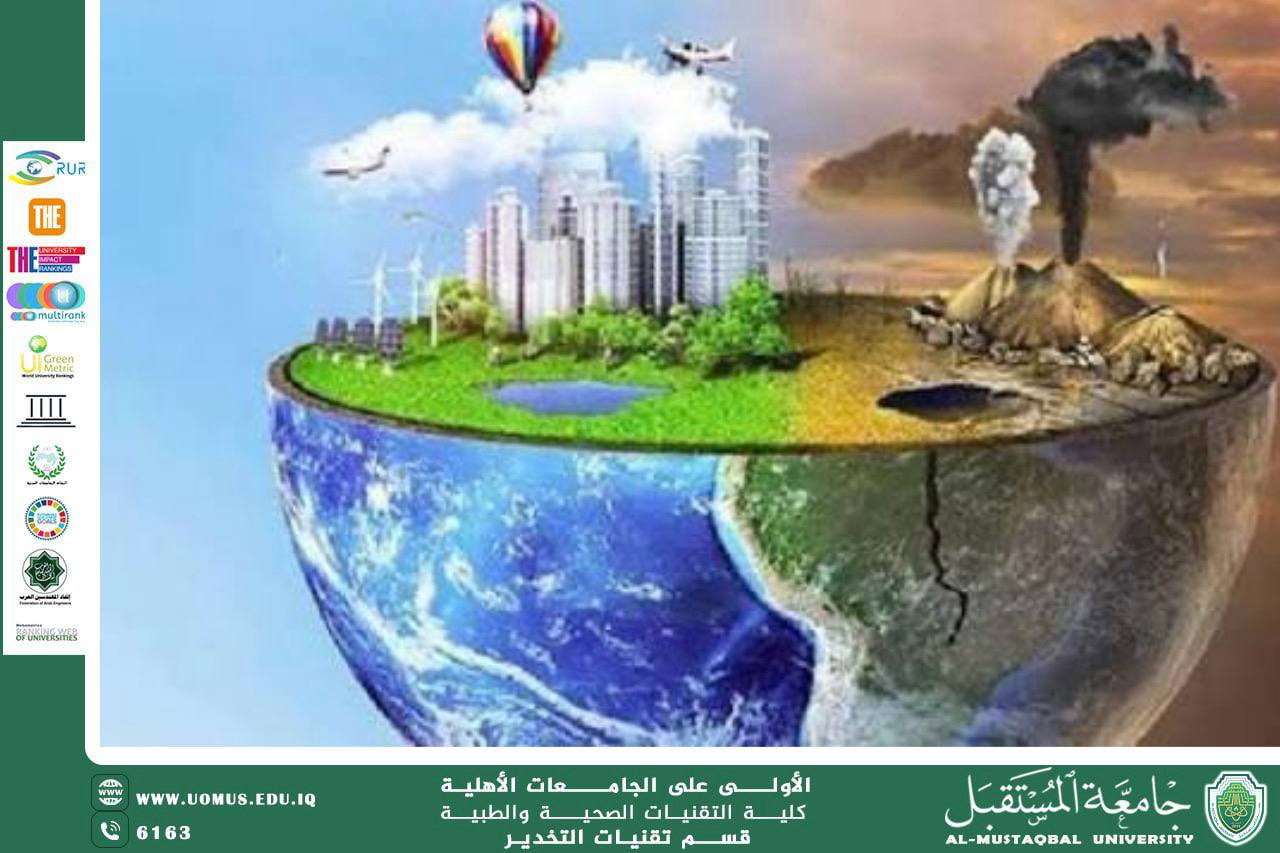
Natural Causes of Global Warming
• Volcanoes
• Water Vapour
• Melting Permafrost
• Forest Blazes
Effects of Global Warming
Following are the major effects of global warming:
1) Rise in Temperature
Global warming has affected the coral reefs that can lead to the loss of plant and animal lives. Increase in global temperatures has made the fragility of coral reefs even worse.
2) Climate Change
Global warming has led to a change in climatic conditions. There are droughts at some places and floods at some. This climatic imbalance is the result of global warming.
3) This has led to the movement of mosquitoes that carry and spread diseases.
4) High Mortality Rates
Due to an increase in floods, tsunamis and other natural calamities, the average death toll usually increases. Also, such events can bring about the spread of diseases that can hamper human life.
5) Loss of Natural Habitat
A global shift in the climate leads to the loss of habitats of several plants and animals. In this case, the animals need to migrate from their natural habitat and many of them even become extinct. Spread of Diseases
Global warming leads to a change in the patterns of heat and humidity.
Mohamed Abo Al Soud
Al-Mustaqbal University
The First University in Iraq.