
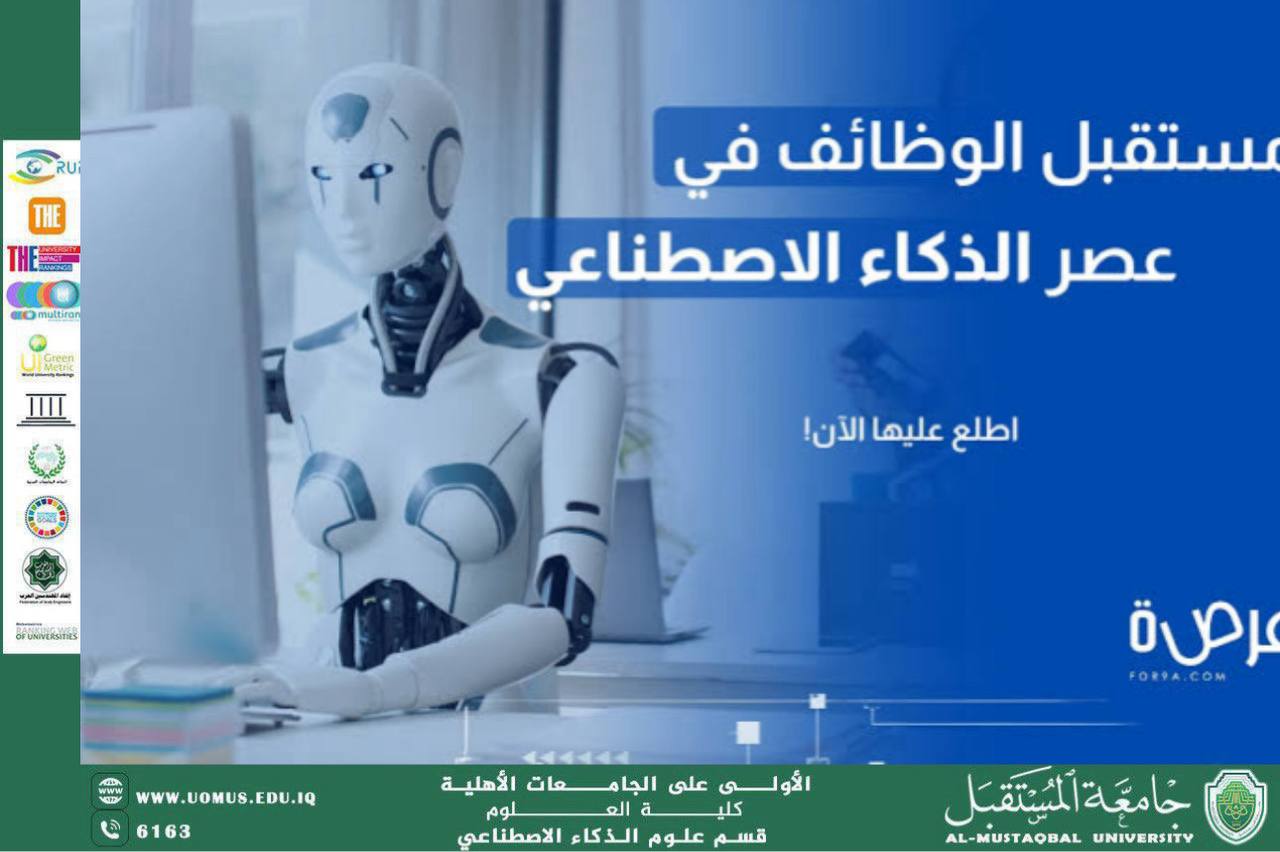
The Future of Jobs in the Era of Artificial Intelligence Introduction
The Future of Jobs in the Era of Artificial Intelligence
Introduction
The rapid rise of Artificial Intelligence (AI) is reshaping the global job market. Far from being a futuristic concept, AI is already influencing how people work across multiple industries. For example, AI tools may automate routine tasks, but human skills such as judgment and complex problem-solving remain highly valuable.
AI’s Impact on the Labor Market
According to research by McKinsey Global Institute, many job tasks across sectors could theoretically be automated with current AI technologies. However, rather than eliminating jobs entirely, AI is reshaping roles and increasing demand for new skill sets that complement automated systems.
A World Economic Forum report also highlights that while some traditional roles may decline, millions of new jobs and categories will emerge, particularly in areas requiring specialized technical and cognitive abilities.
Jobs of the Future
Emerging roles may include:
• AI Ethics Engineer
• Data Analyst specialized in machine learning
• Human-AI interaction specialist
These roles often combine technical capabilities with strategic and interpersonal skills, reflecting the evolving nature of the workforce.
The Role of Education and Training
To thrive in the AI era, adults and young professionals must invest in lifelong learning and continuous skills development. Digital literacy, coding, and analytical thinking are among the top competencies needed to remain competitive.
Conclusion
AI presents both challenges and opportunities for the labor market. Rather than fully replacing human workers, AI will alter job functions and create new opportunities in intelligent systems design, implementation, and oversight.