(M.M. Riam Thaer Ahmed)Recent Innovations in 5G Networks and Their Impact on Wireless Internet
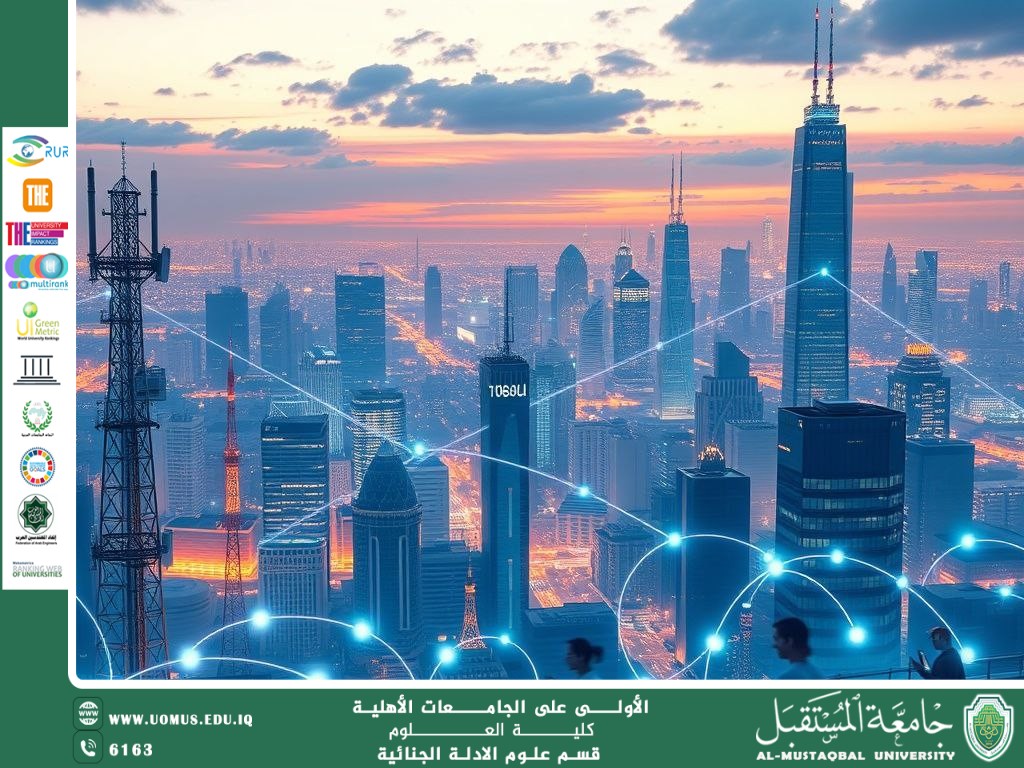
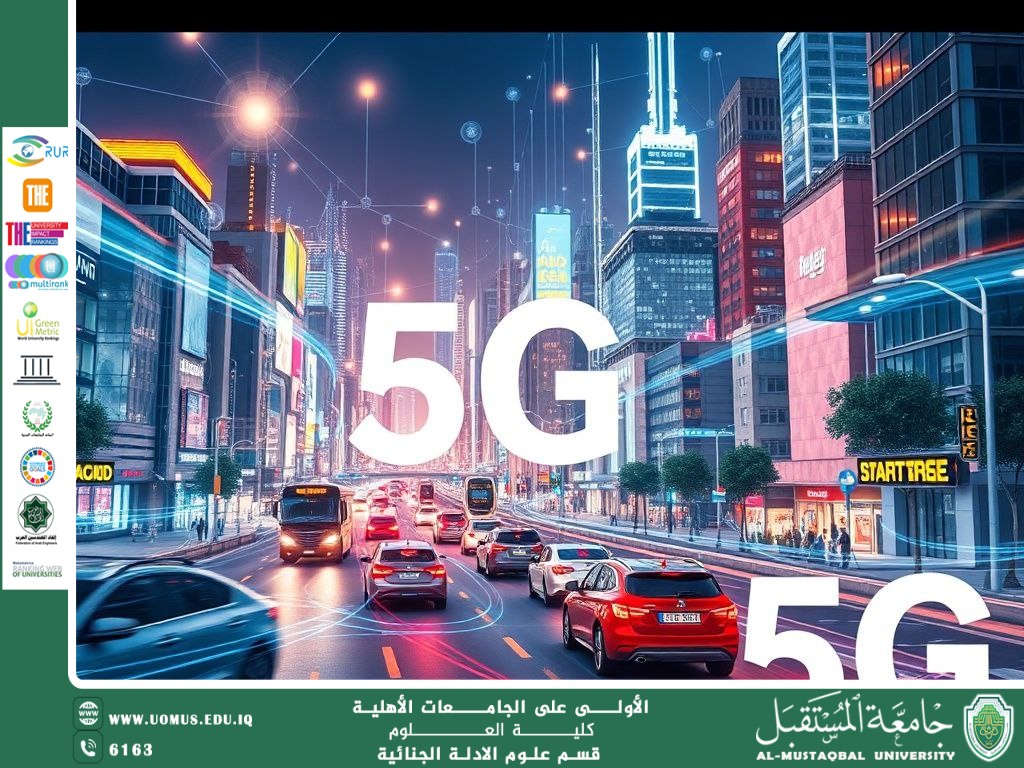
Fifth-generation (5G) networks have witnessed significant advancements in recent years and are considered one of the most important innovations in wireless communications. These networks provide much higher connection speeds compared to 4G networks and significantly reduce latency, opening the door to new applications such as smart vehicles, smart cities, and virtual and augmented reality.
One of the key innovations in 5G is the use of millimeter-wave technology, which enables high-speed data transmission and improves connection quality in densely populated areas. Additionally, 5G networks rely on advanced MIMO (Multiple Input Multiple Output) technologies, allowing simultaneous transmission and reception of multiple data streams, enhancing network efficiency and stability.
The impact of 5G on wireless internet is profound. It allows users to experience speeds of several gigabits per second, improves live streaming of high-quality videos and gaming, and supports Internet of Things (IoT) applications more efficiently, enabling millions of smart devices to connect simultaneously.
In summary, 5G networks represent a revolution in wireless communications, opening new horizons in education, healthcare, industry, and entertainment while ensuring ultra-fast connectivity and real-time responsiveness.
Al-Mustaqbal University – the first university in Iraq.
SDG4