Nursing Work in Hospitals and its Impact on Sustaining the Healthcare System
Introduction
Nurses are the backbone of any healthcare system. Particularly in hospitals, they serve as the essential link between the patient and the physician, and between the patient and the entire therapeutic system. The role of nurses extends far beyond traditional stereotypes, encompassing multifaceted roles and diverse skills that make them indispensable elements of healthcare.
Multiple Roles of Nurses in Hospitals
1. Direct Clinical Care
• Monitoring and recording patients' vital signs.
• Administering medications at scheduled times and monitoring their effects.
• Implementing therapeutic procedures such as injections and wound dressing.
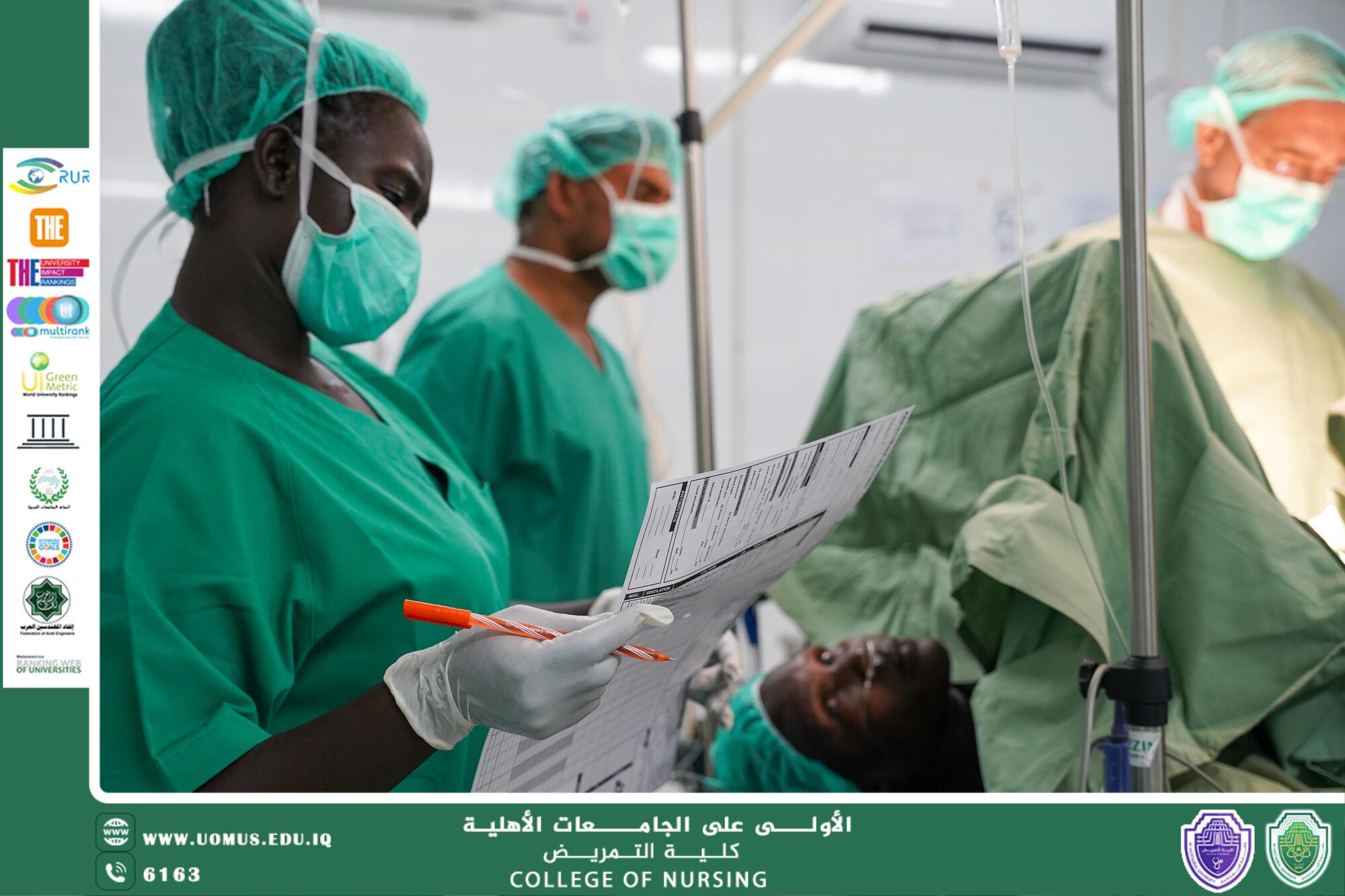
• Assisting physicians during surgeries and medical procedures.
2. Psychological and Emotional Support
• Providing emotional comfort to patients and their families.
• Listening to patients' concerns and providing necessary reassurances.
• Explaining medical procedures and the nature of diseases in a simplified manner.
3. Coordination within the Medical Team
• Communicating with physicians regarding patients' conditions.
• Coordinating with other departments, such as laboratories and pharmacies.
• Handing over critical information between different work shifts (Clinical Handover).
4. Health Education
• Educating patients on how to manage their illnesses.
• Providing guidance on diet and medication post-discharge.
• Teaching patients methods to prevent complications.
Challenges Faced by Nurses
1. Professional Challenges
• Long working hours and consecutive shifts.
• Psychological and emotional stress resulting from dealing with difficult human cases.
• Exposure to risks of infection and occupational injuries.
• Heavy workloads and frequent staff shortages.
2. Societal Challenges
• Lack of adequate societal appreciation for the nursing role in some instances.
• Stereotypes that limit the nurse's role to restricted tasks.
• The gap between the effort exerted and financial compensation in some systems.
Positive Impact of Distinguished Nurses
Studies have shown that the presence of experienced and dedicated nurses directly affects:
1. Improving patient treatment outcomes.
2. Reducing the length of hospital stays.
3. Lowering rates of hospital-acquired infections (HAIs).
4. Increasing patient satisfaction with the provided health services.
The Future of the Nursing Profession
The nursing profession is witnessing significant developments, including:
• Specialization in fields such as critical care, oncology, and cardiology.
• Greater reliance on technology for monitoring and documentation.
• Increased focus on scientific research within the nursing field.
• Development of leadership and administrative skills for nurses.
Conclusion
Nurses in hospitals serve as guardians of health and stewards of patient comfort; they deserve full recognition for their unique humanitarian and professional roles. Developing the nursing system by improving working conditions, providing continuous training, and gaining societal recognition will positively reflect on the quality of healthcare overall. Nurses are not merely physician assistants; they are essential partners in the journey of treatment and recovery. Their profession represents a unique blend of science and humanity
Al-Mustaqbal University is the first university in Iraq.
الهدف الثالث من اهداف التنمية المستدامة -الصحة الجيدة والرفاه
The Third Goal of the Sustainable Development Goals – Good Health and Well-being