Article Title: Latest Developments in the Utilization of Associated Natural Gas in Iraq
By Prof. Dr. Khalid Hussein Al-Marzouk
By the end of 2020, Iraq’s proven natural gas reserves reached approximately 132 trillion cubic feet (Tcf), ranking it twelfth globally. About three-quarters of these reserves are associated with oil, with most of this associated gas concentrated in the giant fields in southern and western Iraq. Notably, the Akaz field, located south of Al-Qaim in western Iraq, is the largest gas field in the country with a proven reserve of 5.3 trillion cubic feet of natural gas, positioning Iraq among the world’s wealthiest nations in natural resources and making it a key player in the global energy map by 2025.
According to economic reports and data from the Iraqi Ministry of Oil and international energy institutions (such as Ceoworld and Worldometer) for 2025, Iraq’s total proven natural gas reserves reached approximately 111.5 Tcf, while some government estimates, including the Kurdistan Region, indicate reserves of up to 127 Tcf, equivalent to roughly 3.7–3.8 trillion cubic meters.
Iraq holds about 1.61% of the world’s proven natural gas reserves, ranking 12th globally and 5th in the Arab world after Qatar, Saudi Arabia, the UAE, and Algeria.
Key developments in 2025 regarding associated natural gas utilization in Iraq include:
1. Increased Investment and Production:
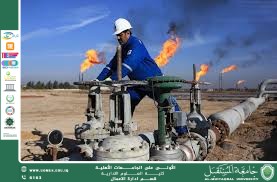
Higher investment rates: In mid-2025, the Iraqi Ministry of Oil announced that the rate of associated gas utilization had risen to 70%, up from around 50% in previous years.
Zero-import strategy: The government set a timetable aiming to achieve zero gas imports and rely entirely on domestic production by 2028–2029.
Economic benefits: Reducing gas flaring saved approximately $17 billion annually, which had been lost as wasted opportunities and import costs.
2. Total Energies Projects (GGIP):
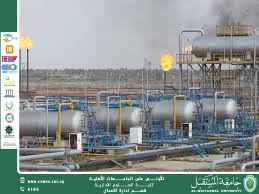
The Gas Growth Integrated Project (GGIP) reached critical stages in 2025. In the Artawi field, the foundation was laid for an early gas treatment unit with a capacity of 50 million standard cubic feet per day to supply electricity plants in Basra. Contracts were also launched to build treatment plants with a total capacity of 600 million standard cubic feet per day, in cooperation with global companies such as Qatar Energy and other Chinese firms.
3. Basra Gas Company (BGC) and International Projects:
The Basra Gas Company announced plans to increase its investment capacity to 1,400 million standard cubic feet per day by 2028. The Nasiriyah gas investment project (in collaboration with Baker Hughes) has entered the final equipment installation phase, with operations expected to start in early 2027 to process 200 million cubic feet per day.
4. Integration with Electricity and Environmental Goals:
Current projects aim to operate new power plants with capacities of several thousand megawatts using gas that was previously flared. Iraq also aims to reduce carbon emissions by 6 million tons annually by stopping flaring in three major fields: Artawi, Majnoon, and West Qurna.
5. Nebras Petrochemical Complex:
This project represents a major milestone linking gas to industry. In 2025, progress was made in negotiations with international companies (such as Saudi Ajyal and previously Shell) to convert gas into petrochemical and plastic products, potentially making Iraq the largest producer of petrochemicals in the Middle East with a capacity of 1.8 million tons per year.
Al-Mustaqbal University ranks first among private universities