Article Title: Anticipating the Impact of the Belt Road and Railway Link on Iraq: An Analytical Study for the Future
By: Lecturer Abdul Mahdi Rahim Hamza
The Belt and Road Initiative (BRI), launched by China in 2013, represents one of the largest infrastructure and development initiatives in modern history. It aims to revive historic trade routes through the creation of an extensive network of land, sea, and railway connections linking China with Asia, Europe, and Africa. Iraq, due to its unique geopolitical location at the crossroads of Asia, Europe, and Africa, and its gateway to the Arabian Gulf, sits at the heart of this ambitious network. This article aims to anticipate the potential impacts of the Belt and Road and railway link projects on Iraq, analyzing available economic and geopolitical opportunities, and evaluating the structural and security challenges facing their implementation and sustainability.
Background and Project Path in Iraq:
Strategic Location: Iraq serves as a natural land bridge between the Arabian Gulf (targeting the Grand Faw Port) and northern Iraq, Turkey, and Europe. The proposed BRI routes through Iraq focus on:
Northern Corridor: Connecting the Grand Faw Port to Basra, then Baghdad, Mosul, and reaching the Turkish border (Kebar Koy/Ibrahim al-Khalil), linking with the Turkish and European railway networks.
Southern Corridor: Developing Basra ports (Faw, Umm Qasr) and connecting them to a national railway network reaching Jordan and Saudi Arabia via Iraq, as part of the regional BRI network.
Main Projects Include:
Development of the Grand Faw Port: The cornerstone of the project, intended to become one of the largest ports in the Middle East with a huge capacity (up to 99 million tons annually in the final stages).
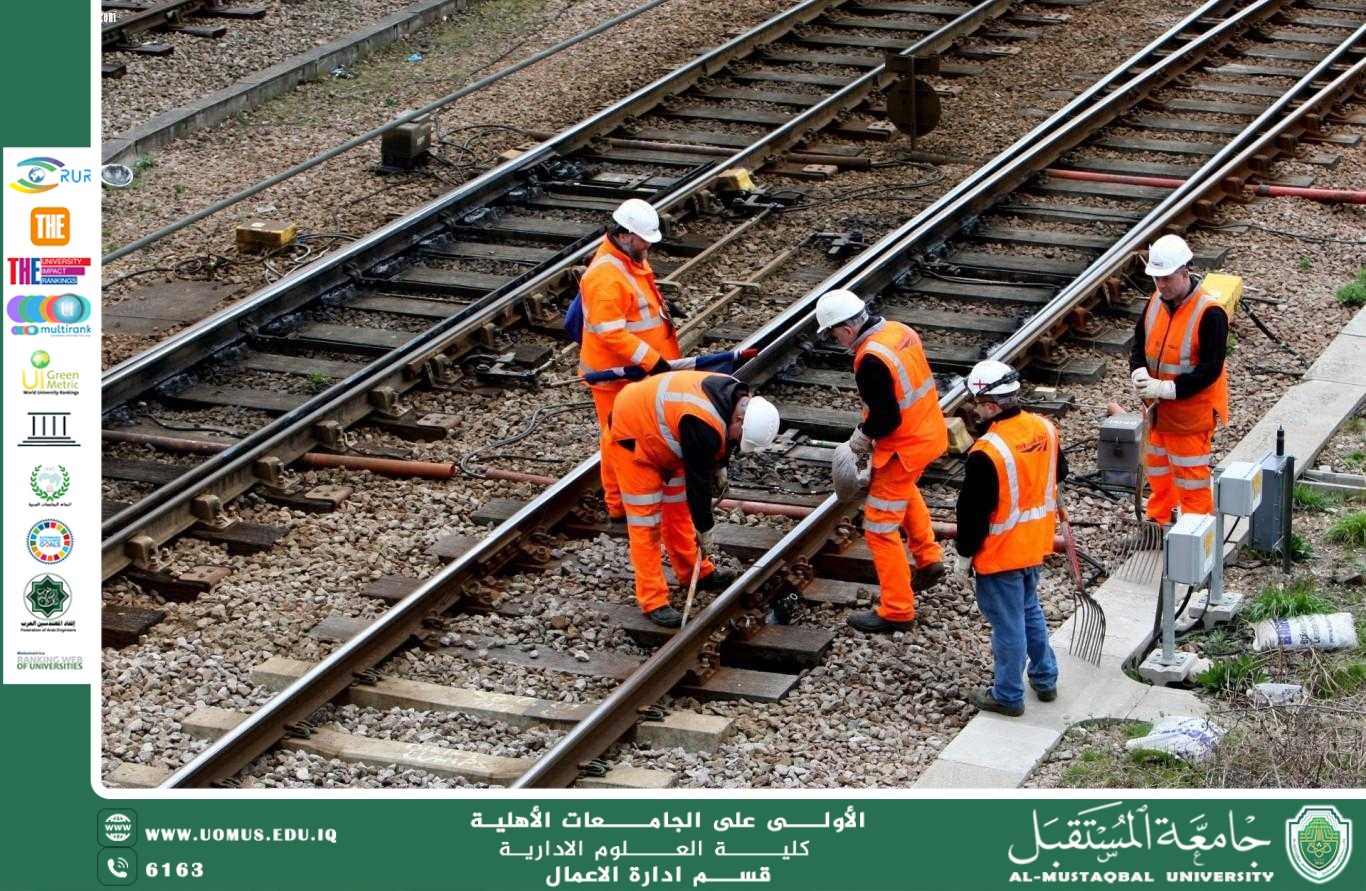
Railway Network: Construction of modern rail lines (high-speed and heavy-duty) linking southern ports with major urban and industrial centers (Basra, Baghdad, Mosul) and the northern and western borders.
Highways: Upgrading and building highways parallel to railway routes to ensure integrated land transport.
Logistics and Industrial Zones: Establishing free zones and logistics hubs along the routes to boost manufacturing and trade.
Anticipated Positive Impacts:
1. Economic Growth and Development:
Global Trade Corridor: Transforming Iraq from a transit country into a “regional logistics hub” connecting the Gulf with Central Asia and Europe, generating significant revenue from transit fees and logistics services.
Economic Diversification: Reducing near-total reliance on oil by developing transportation, logistics, manufacturing (especially in free zones), and trade sectors.
Job Creation: Employing thousands in construction, operations, maintenance, and related services, helping reduce high unemployment rates.
Attracting Foreign Direct Investment (FDI): Improved infrastructure and relative stability (if achieved) will make Iraq more attractive for investment in transport, energy, and industrial sectors.
Development of Underprivileged Areas: Projects passing through southern, western, and northern provinces can stimulate economic and social development, reducing disparities.
2. Regional and Geopolitical Integration:
Regional Integration: Strengthening economic and trade links with neighboring countries (Turkey, Syria, Jordan, Saudi Arabia, Kuwait, Iran) and Central Asian countries, fostering regional cooperation and reducing tensions.
Increased Geopolitical Influence: Elevating Iraq’s position as a key regional player in global trade networks, granting it greater diplomatic leverage.
Alternative Trade Routes: Providing a shorter and relatively safer trade route (compared to the Strait of Hormuz or longer maritime routes) between Asia and Europe, enhancing strategic importance for major powers.
3. Infrastructure and Services Improvement:
Modern Transport: Developing land and railway transport sectors to become more efficient, safe, and environmentally sustainable (railways are less polluting).
Urban Development: Upgrading infrastructure in major cities along the routes (Baghdad, Basra, Mosul).
Logistics Efficiency: Increasing efficiency and reducing costs of importing and exporting goods, benefiting the local economy and consumers.
Anticipated Challenges and Risks:
1. Security and Political Challenges:
Security Instability: Threats from terrorism (remnants of ISIS, other armed groups), sectarian and ethnic conflicts, and foreign influence (Iran, Turkey, Western countries) pose serious risks to project safety and operational sustainability.
Administrative Corruption: Widespread corruption in Iraqi institutions hinders effective and transparent project implementation, potentially causing massive resource wastage.
Political Instability: Ongoing political fluctuations, disputes between federal and regional entities (Kurdistan Regional Government), and weak central governments obstruct decisive decisions and financing.
Dependence on External Parties: Project funding and execution heavily rely on China and its companies, raising concerns over debt, transparency, and national sovereignty.
2. Economic and Technical Challenges:
High Costs: Project costs are estimated in tens of billions of dollars, difficult for Iraq alone to fund amid chronic financial crises.
Economic Feasibility: Project success depends on achieving sufficient trade volume to fund operation and maintenance. Competition is intense with other trade routes (e.g., Suez Canal, Russia-Iran-India corridor).
Bureaucracy and Weak Institutions: Administrative complexities, slow procedures, and weak Iraqi institutions (customs, transport, planning) hinder effective execution and project integration.
Technical and Environmental Challenges: Building modern infrastructure in desert or marsh areas requires high expertise and advanced technologies, with concerns over environmental impacts (pollution, water resource depletion).
3. Social and Geopolitical Challenges:
Impact on Local Communities: Resettlement, lifestyle changes, and competition for resources may spark social tensions.
Geopolitical Competition: The project may be seen as expanding Chinese influence in the region, drawing caution from other regional and global powers (U.S., EU, Gulf states) and intensifying rivalry over influence in Iraq.
Regional Balances: Project success could shift regional power dynamics, which may be undesirable for some neighbors.
Future Scenarios and Recommendations:
Optimistic Scenario (Success): Achieving relative security and political stability, effective anti-corruption measures, full implementation of key projects (Grand Faw Port, main railways), attracting diverse investments, and regional integration. Iraq becomes a major regional logistics hub, with strong economic growth and real diversification.
Realistic Scenario (Partial Success): Completion of key parts of the project (e.g., Grand Faw Port, one main railway line) amid ongoing security, political, and corruption challenges. Some economic benefits are achieved (revenue, jobs) without full realization of ambitions. Iraq becomes an important corridor but not the leading regional hub.
Pessimistic Scenario (Failure): Worsening security instability, political collapse, pervasive corruption, or withdrawal of Chinese funding due to risks or geopolitical competition. Projects stall or fail, becoming “white elephants” burdening Iraq with debt without significant benefits.
Recommendations for Maximizing Benefits:
Institutional Reform and Anti-Corruption: Ensure project transparency and efficient implementation.
National Consensus: Engage all political and social stakeholders (including Kurdistan) in planning and execution to ensure sustainability.
Focus on Key Phases: Prioritize high-feasibility projects (Grand Faw Port, one main railway) to achieve early successes and build confidence.
Financial Diversification and Partnerships: Seek funding from multiple sources (China, Arab countries, international, private sector) to reduce reliance on a single party.
Human Capacity Development: Invest in training Iraqi personnel to efficiently manage and operate modern projects.
Effective Regional Integration: Strengthen cooperation with neighboring countries (especially Turkey, Jordan, Saudi Arabia) to ensure route integration and simplify customs procedures.
Security Risk Management: Implement advanced security strategies to protect projects and personnel, in coordination with Iraqi forces and allies.
Conclusion:
The Belt and Road and railway link project represents a historic opportunity for Iraq to reshape its economy and enhance its geopolitical position as a vital link between East and West. The potential is enormous—from economic diversification and job creation to infrastructure improvement and regional integration. However, realizing these benefits is fraught with serious challenges, foremost among them security and political instability, pervasive corruption, institutional weaknesses, and geopolitical competition.
The project’s success in Iraq is not guaranteed; it depends critically on strong political will, fundamental institutional reforms, effective anti-corruption measures, genuine national consensus, and smart management of regional and international relations.
If Iraq can overcome these obstacles, the Belt and Road and railway link could unleash its enormous potential and place it on the global trade map as a major regional player in the 21st century. Otherwise, it risks becoming another ambitious project thwarted by internal and external challenges. The future will determine which scenario prevails.
Al-Mustaqbal University ranks first among private universities