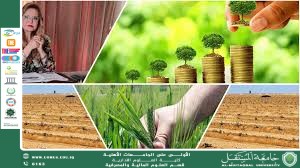

Mechanisms of Contribution of Private Banks in Supporting Agricultural Production and Reducing Hunger within the Framework of the Sustainable Development Goals
Asst. Lecturer Ali Hassan Kassar
College of Administrative Sciences / Department of Finance and Banking
The problem of hunger and food insecurity is considered one of the most prominent challenges facing many developing countries. This has prompted the international community to include the eradication of hunger as the second goal of the Sustainable Development Goals (SDGs). Achieving this goal cannot be realized without the concerted efforts of both the public and private sectors, particularly the banking sector, which plays a pivotal role in supporting productive activities, especially the agricultural sector.
First: Financing the Agricultural Sector as a Fundamental Entry Point to Food Security
Private banks contribute to supporting agricultural production by providing the necessary financing to farmers and agricultural project owners, whether through short-term loans to finance agricultural inputs or medium- and long-term loans to fund agricultural investment projects. Such financing helps improve agricultural productivity, expand cultivated areas, and adopt modern technologies that enhance production efficiency and reduce waste.
Second: Supporting Small and Medium Agricultural Enterprises
Small and medium agricultural enterprises play a significant role in providing food and employment opportunities, particularly in rural areas. Here, the role of private banks emerges in designing banking products tailored to this category, characterized by flexibility in repayment and reduced collateral requirements. This approach enables small producers to continue their agricultural activities and improve their incomes, which positively contributes to reducing poverty and hunger.
Third: Enhancing Financial Inclusion in Rural Areas
Limited access to financial services is one of the major challenges facing the agricultural sector. Private banks contribute to enhancing financial inclusion by expanding their branch networks, offering digital banking services, and promoting financial literacy among farmers. This leads to the integration of rural populations into the formal financial system and enables them to benefit from financing, savings, and agricultural insurance instruments.
Fourth: Financing Sustainable Agriculture and Modern Technologies
Within the framework of achieving the Sustainable Development Goals, private banks are increasingly oriented toward supporting agricultural projects that take environmental considerations into account, such as sustainable agriculture, modern irrigation technologies, and the use of renewable energy in agricultural activities. This type of financing contributes to preserving natural resources and ensuring the sustainability of food production in the long term, thereby supporting the achievement of the second Sustainable Development Goal.
Fifth: Partnership with Governmental Entities and Supporting Institutions
Private banks enhance their developmental role through partnerships with governmental bodies, international organizations, and institutions concerned with agricultural development, via joint financing programs or initiatives aimed at supporting food security. These partnerships help reduce financing risks and direct financial resources toward sectors with the greatest impact on reducing hunger.
Conclusion
In conclusion, private banks represent one of the fundamental pillars in supporting agricultural production and achieving food security through the financing they provide and the initiatives they launch to empower farmers and promote sustainability. Activating this role within the framework of the Sustainable Development Goals constitutes an important step toward eradicating hunger and achieving comprehensive economic and social development.