Political Corruption and the Budget Deficit
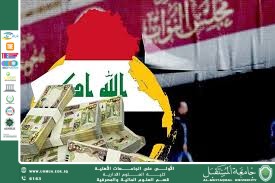
Iraq has suffered from a clear and persistent weakness in its public financial management since the 2003 invasion, resulting in chronic budget deficits for years. The deliberate exaggeration of this deficit by relevant authorities stemmed from two main factors: First, continuous annual borrowing, both domestically and internationally, which became inevitable even in years when public finances generated a revenue surplus.
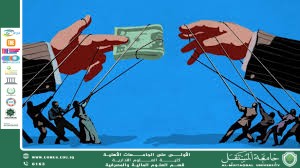
The second factor was intended to cover up widespread corruption that has siphoned off tens of billions of dollars of public funds annually, to the point where it has become an accepted reality, a recurring phenomenon that squanders the country's money with impunity. A quick review of the findings of the investigations conducted by the relevant oversight bodies revealed that all indications pointed to the existence of entities or individuals carrying out these operations with political cover, preventing the complete eradication of such acts or at least the prevention of their recurrence. The most prominent example was the case of the "tax deposits" and the entities and individuals associated with them, who managed to evade accountability or legal repercussions.
The political dimension under which corruption, rampant throughout the state apparatus, operates has created a significant financial deficit that is difficult to address, especially given the neglect of its root causes. This issue now extends to the proposed solutions for confronting this negative phenomenon in next year's budget, following the substantial decline in oil prices, which poses a real threat to the country's financial stability. Most of the solutions being discussed by experts or those in positions of responsibility merely shift the burden of this deficit onto the already burdened Iraqi citizen, without addressing any real or effective solutions. Some are calling for increased taxes, others for higher electricity and water bills, and still others for higher prices for phone cards. All these proposals will harm the living standards of Iraqi citizens, exacerbate unemployment and poverty, and lead to serious social and familial repercussions for society, without offering any genuine solutions.
In this article, we urge those in charge of the country's financial management to scrutinize the rampant corruption within state institutions, which is plundering billions from the annual budget under a political cover that has become clear to everyone. This is necessary to halt the inevitable deterioration of the financial situation, as the ratio of loans to public revenues has reached a dangerously high level, and their interest and repayments now equal the budgets of some neighboring countries. This crisis cannot be confronted except by decisively stopping political corruption; otherwise, the consequences will be dire for the entire political system. Remember the words of God Almighty: "And remind, for indeed, the reminder benefits the believers."