
Scientific Article by Mrs. Tabarak Ahmed Turki Al-Azzaoui Title: The Most Dietary Preventive Strategies to Reduce Nutrition-Related Kidney Diseases
Introduction
Kidney diseases are among the most prevalent health problems worldwide and are closely associated with unhealthy dietary habits, particularly excessive consumption of animal proteins, saturated fats, and salt. These dietary patterns increase the functional burden on the kidneys and accelerate the progression of renal dysfunction. Therefore, adopting preventive dietary strategies plays a crucial role in maintaining kidney health and reducing nutrition-related kidney diseases.
First: Moderation of Protein Intake
Excessive protein intake, especially from animal sources, increases the metabolic load on the kidneys. A balanced intake of protein, with an emphasis on combining plant and animal sources, helps reduce nephron stress and supports efficient renal filtration.
Second: Reduction of Salt and Saturated Fat Intake
High sodium intake contributes to hypertension, a major risk factor for kidney disease progression. Saturated fats also negatively affect renal blood vessels. Therefore, limiting salt and unhealthy fats while adopting healthier fat sources is essential for kidney protection.
Third: Increasing Dietary Fiber Consumption
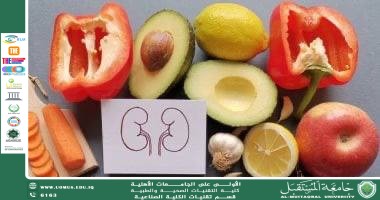
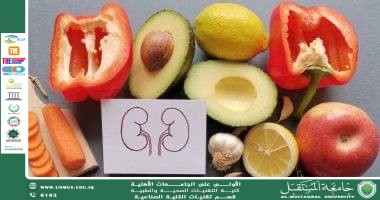
Fiber-rich foods such as vegetables, fruits, and whole grains improve metabolic balance and help reduce the accumulation of harmful metabolic by-products, thereby supporting kidney health and preventing nutrition-related disorders.
Fourth: Maintaining Proper Fluid Balance
Maintaining adequate fluid balance is vital for optimal kidney function, as it supports filtration processes and internal homeostasis, while taking individual health conditions into consideration.
Fifth: Adopting a Sustainable Balanced Diet
Following a long-term balanced dietary pattern rich in essential nutrients contributes significantly to kidney disease prevention, improves overall health, and reduces the risk of chronic nutrition-related diseases.
Conclusion
Scientific evidence highlights that proper nutrition is a cornerstone in preventing nutrition-related kidney diseases. Adopting preventive dietary strategies plays an effective role in preserving kidney function, limiting disease progression, and enhancing overall health and quality of life.
Al-Mustaqbal University the First in Iraq