Alzheimer's Disease: Pathophysiological and Neurochemical Mechanisms Prepared by: M.M. Abbas Hamza Khudhair
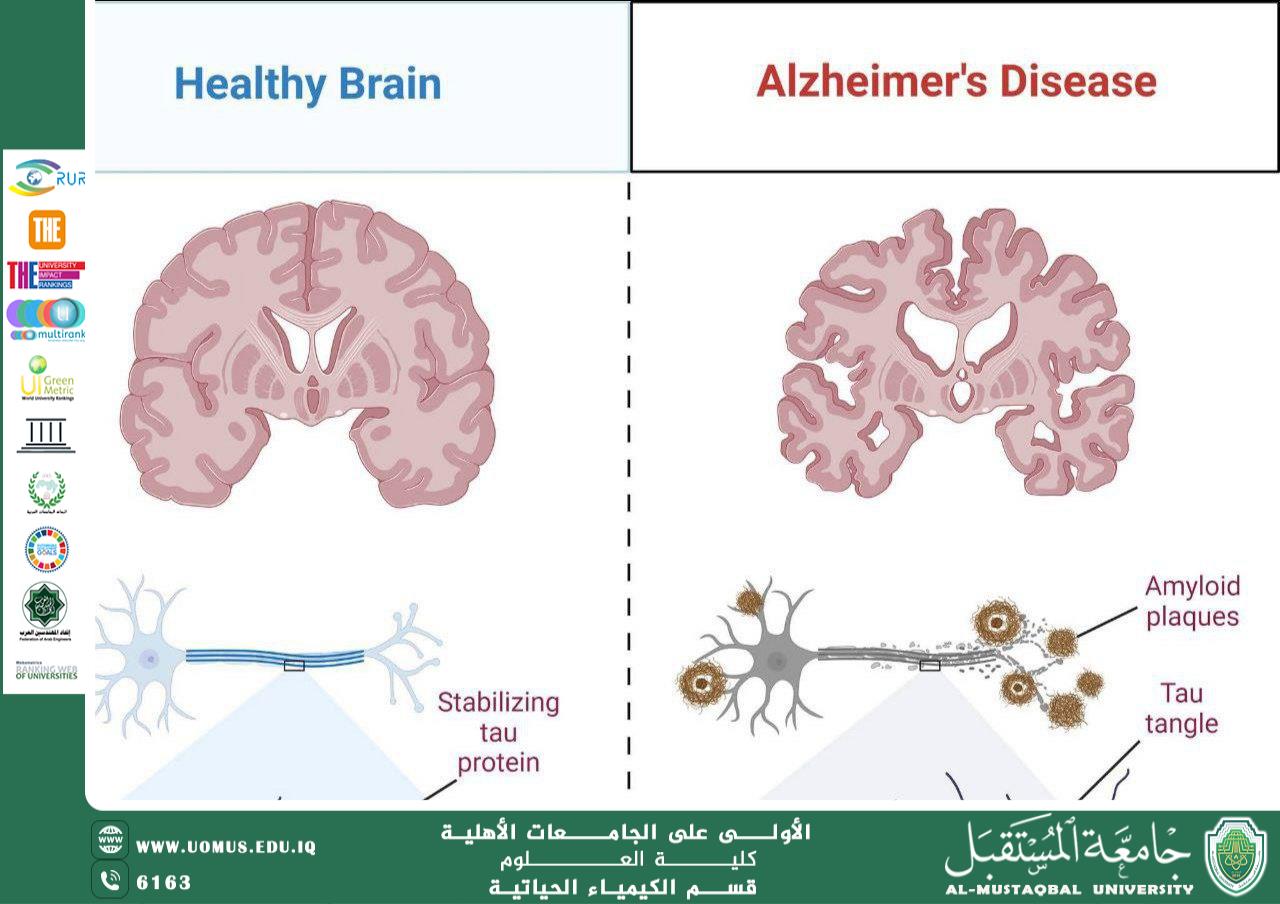
Alzheimer's disease is the most common cause of dementia, a progressive neurodegenerative disorder characterized by memory loss and a decline in cognitive and behavioral functions. The disease arises from a complex interplay of genetic, environmental, and biochemical factors that lead to neuronal damage and loss of synaptic connections in brain regions critical for learning and memory, particularly the hippocampus and cerebral cortex.
Neuropathological Basis
The key histological hallmarks of Alzheimer's disease are:
· Accumulation of beta-amyloid plaques (β-amyloid plaques) outside neurons
· Formation of neurofibrillary tangles inside neurons due to hyperphosphorylation of tau protein
These changes disrupt neural transmission, trigger inflammatory responses, and lead to neuronal apoptosis.
Pathophysiological Biochemical Mechanisms
The core mechanisms include:
· Oxidative stress and free radical accumulation
· Mitochondrial dysfunction and reduced ATP production
· Dysregulation of intracellular calcium metabolism
· Chronic neuroinflammation mediated by microglial cells
· Decreased levels of acetylcholine, a neurotransmitter essential for memory and learning
Additionally, the enzymes β-Secretase and γ-Secretase play roles in producing beta-amyloid from amyloid precursor protein (APP).
Genetic and Environmental Factors
Early-onset genetic cases are linked to mutations in:
· APP
· PSEN1 and PSEN2
Late-onset Alzheimer's is associated with the genetic risk factor APOE ε4. Environmental and modifiable risk factors include:
· Advanced age
· Diabetes
· Hypertension
· Sedentary lifestyle
· Poor nutrition
Clinical Symptoms
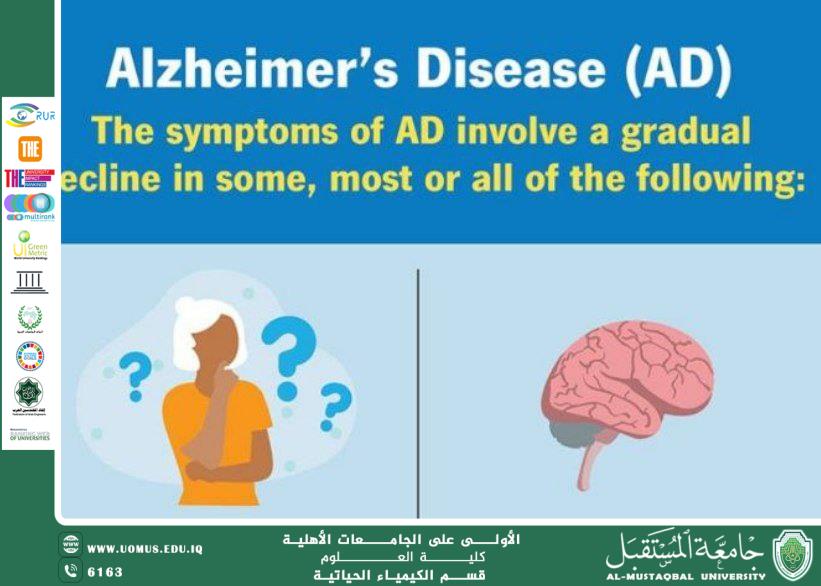
Symptoms progress gradually and include:
· Short-term memory loss
· Difficulty concentrating and making decisions
· Language disorders
· Behavioral and psychological changes
· Loss of independence in advanced stages
Diagnosis and Biomarkers
Diagnosis relies on:
· Clinical evaluation and cognitive assessments
· Neuroimaging (MRI, PET)
· Measurement of β-amyloid and tau in cerebrospinal fluid
· Emerging blood-based biomarkers under research
Current Treatment Options
There is no cure yet.Current therapies aim to slow disease progression and include:
· Acetylcholinesterase inhibitors (e.g., Donepezil, Rivastigmine)
· NMDA receptor antagonists (e.g., Memantine)
· Lifestyle interventions (nutrition, mental activity, physical exercise)
Conclusion
Alzheimer's disease represents a growing global health challenge,reflecting the complex interplay between biochemical and neurological dysfunctions. A deeper understanding of the molecular pathways of the disease contributes to the development of early diagnostic and therapeutic strategies. It also underscores the importance of prevention through a healthy lifestyle for maintaining brain health and quality of life.
---
University of Al-Mustaqbal Ranks First Among Iraqi Private Universities