Scientific Article by Professor Dr. Dalia Shaker Abidah, titled: Rabies: A Lethal Viral Disease and Methods of Prevention and Control
Abstract
Rabies is an acute viral disease that affects the central nervous system in humans and animals. It is classified as a zoonotic disease, meaning it can be transmitted from animals to humans. The disease is characterized by a fatality rate approaching 100% once clinical symptoms appear, making it one of the most dangerous infectious diseases known. This article aims to review the definition of rabies, its causative agent, modes of transmission, clinical manifestations, diagnosis, treatment, and methods of prevention and control.
---
1. Introduction
Rabies is one of the oldest diseases known to humanity, with descriptions dating back thousands of years. Despite the availability of effective vaccines, the disease remains a significant public health issue in many developing countries, particularly in Asia and Africa. The severity of the disease lies in its fatal nature if early preventive measures are not taken following exposure to the virus.
---
2. Causative Agent
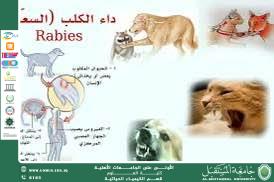
Rabies is caused by a virus belonging to the Lyssavirus genus of the Rhabdoviridae family. The virus is characterized by its bullet-like shape and high affinity for infecting nerve cells. After entering the body, the virus travels through peripheral nerves to reach the central nervous system, where it causes acute encephalitis.
---
3. Modes of Transmission
Rabies virus is primarily transmitted through:
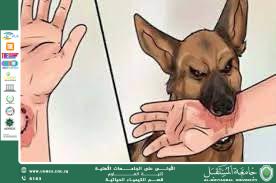
· Bites from infected animals, especially dogs.
· Scratches contaminated with the saliva of an infected animal.
· Contact of saliva with open wounds or mucous membranes.
Globally, dogs are the primary source of human infection, followed by certain wild animals such as bats, wolves, and foxes.
---
4. Clinical Symptoms
Rabies infection progresses through several stages:
1. Incubation Period:
Ranges from weeks to several months, depending on the bite location and the viral load.
2. Prodromal Stage:
Symptoms include fever, headache, general fatigue, and pain or tingling at the bite site.
3. Neurological Stage:
Divided into two forms:
· Furious Rabies: Characterized by hydrophobia (fear of water), convulsions, agitation, and excessive salivation.
· Paralytic Rabies: Characterized by progressive paralysis without noticeable agitation.
4. Final Stage:
Coma followed by death due to respiratory or cardiac failure.
---
5. Diagnosis
The diagnosis of rabies is based on:
· Medical history (exposure to an animal bite).
· Clinical symptoms.
· Laboratory tests, such as detecting viral antigens or antibodies.
Diagnosis is often challenging in the early stages.
---
6. Treatment
There is no cure for rabies once symptoms appear. Medical intervention relies on post-exposure prevention, which includes:
· Thoroughly washing the wound with soap and water.
· Administering rabies immunoglobulin (RIG).
· Administering a series of rabies vaccines.
---
7. Prevention and Control
Prevention strategies include:
· Regular vaccination of dogs.
· Controlling stray animal populations.
· Health education on the risks of animal bites.
· Pre-exposure vaccination for high-risk individuals (e.g., veterinarians, laboratory workers).
---
8. Conclusion
Rabies is a fatal disease that can be entirely prevented with timely and appropriate medical intervention. Enhancing animal vaccination programs, raising public awareness, and improving epidemiological surveillance systems are essential pillars for reducing the spread of this disease and protecting public health.
---
University of Al-Mustaqbal Ranks First Among Iraqi Private Universities