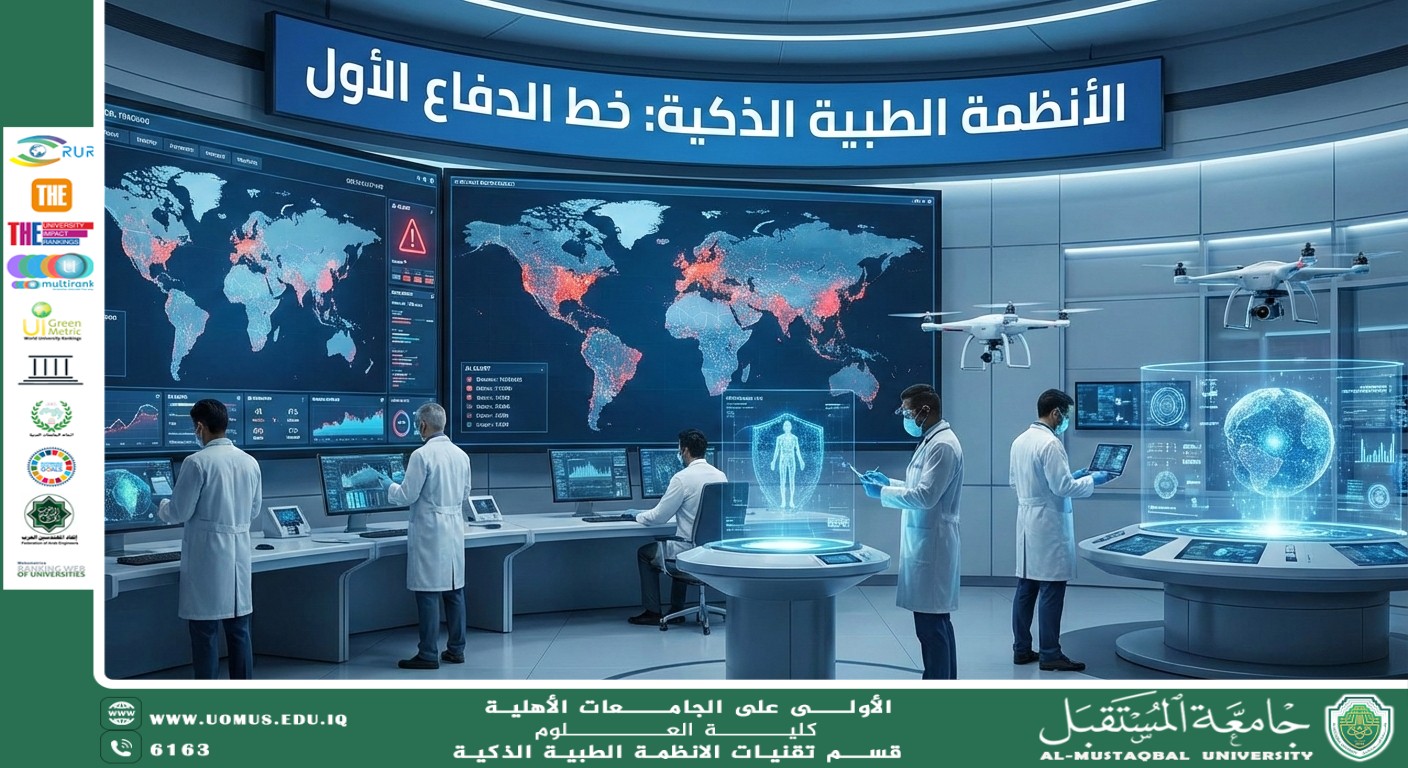
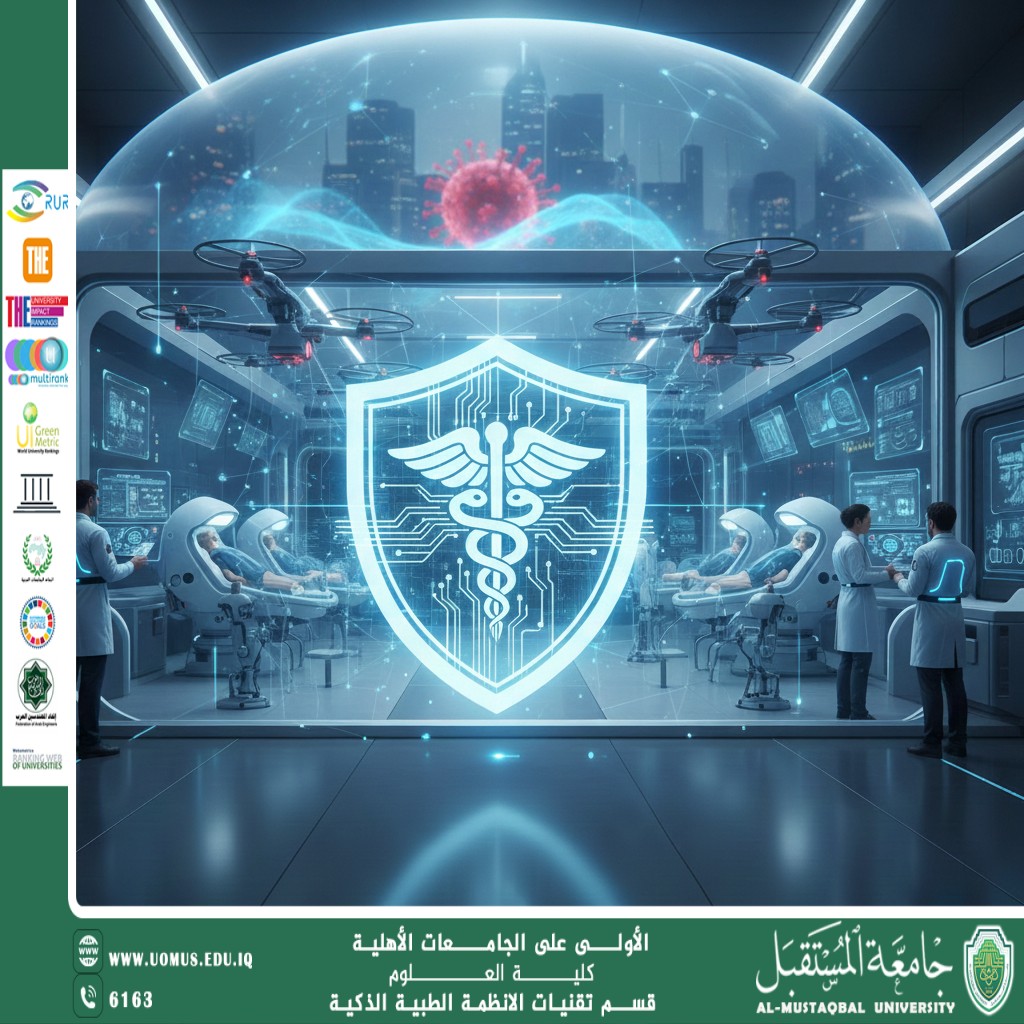
Intelligent Medical Systems as the First Line of Defense Against Epidemics (Eng. Programmer Huda Khudair Hani)
In a world where epidemics have become a recurring threat to global health security, intelligent medical systems have emerged as the first line of defense against the spread of infectious diseases before they escalate into large-scale crises. Recent experiences have shown that reliance on smart technology is no longer a secondary option, but an essential necessity to enhance health preparedness and ensure rapid response.
Intelligent medical systems rely on advanced technologies such as artificial intelligence, machine learning, big data analytics, and the Internet of Things to monitor and analyze health indicators in real time. These systems are capable of tracking patterns of infection spread, predicting high-risk areas, and detecting suspected cases even before clear symptoms appear, enabling health authorities to take swift and effective preventive measures.
One of the most significant roles of intelligent medical systems lies in smart epidemiological surveillance, where data is collected from hospitals, laboratories, health applications, and wearable devices, then analyzed using precise algorithms to identify any abnormal behavior that may signal the onset of an epidemic. This type of surveillance significantly reduces response time, which is a decisive factor in limiting the spread of outbreaks.
Moreover, these systems play a pivotal role in supporting medical and administrative decision-making during health crises. Smart platforms provide interactive dashboards that help decision-makers assess the health situation, anticipate possible scenarios, and efficiently and fairly allocate medical resources such as vaccines and ventilators. In addition, intelligent medical systems improve communication between health authorities and the public through early alerts and accurate health guidelines.
The role of intelligent medical systems is not limited to the pre-outbreak phase; their effectiveness extends to containment, treatment, and follow-up stages. Intelligent diagnostic systems help accelerate the identification of infections, while telemedicine technologies reduce direct contact between patients and healthcare professionals, minimizing the risk of transmission and ensuring the safety of all.
In conclusion, intelligent medical systems represent the backbone of modern healthcare infrastructures and the first line of defense against future epidemics. As technology continues to advance, investing in these systems and developing the expertise required to manage them becomes a strategic step toward achieving sustainable health security and protecting societies from growing epidemiological risks.