A Scientific Article by Lecturer Lubna Ali Jalil Entitled: Drought in Iraq: A Strategic Threat to Water and Food Security
Drought as a Strategic Threat to Water and Food Security in Iraq
Introduction
Drought is considered one of the most serious environmental challenges facing Iraq today. It is no longer a temporary or seasonal phenomenon, but rather a chronic crisis that threatens the foundations of national stability, particularly water and food security. Iraq relies almost entirely on the Tigris and Euphrates rivers, making it highly vulnerable to climatic changes and regional water policies. With the increasing frequency and severity of drought events, it has become essential to examine drought as a strategic threat that extends beyond environmental concerns to encompass economic, social, and security dimensions.
First: The Concept of Drought and Its Strategic Dimensions
Drought is defined as a prolonged and severe deficiency in water resources resulting from reduced rainfall, rising temperatures, and increased evaporation rates. Its danger lies in its slow onset but profound and long-lasting impacts. From a strategic perspective, drought represents a direct threat to national security, as it affects water availability, food production stability, and the sustainability of livelihoods, ultimately influencing social and political stability.
Second: Drought and Water Security in Iraq
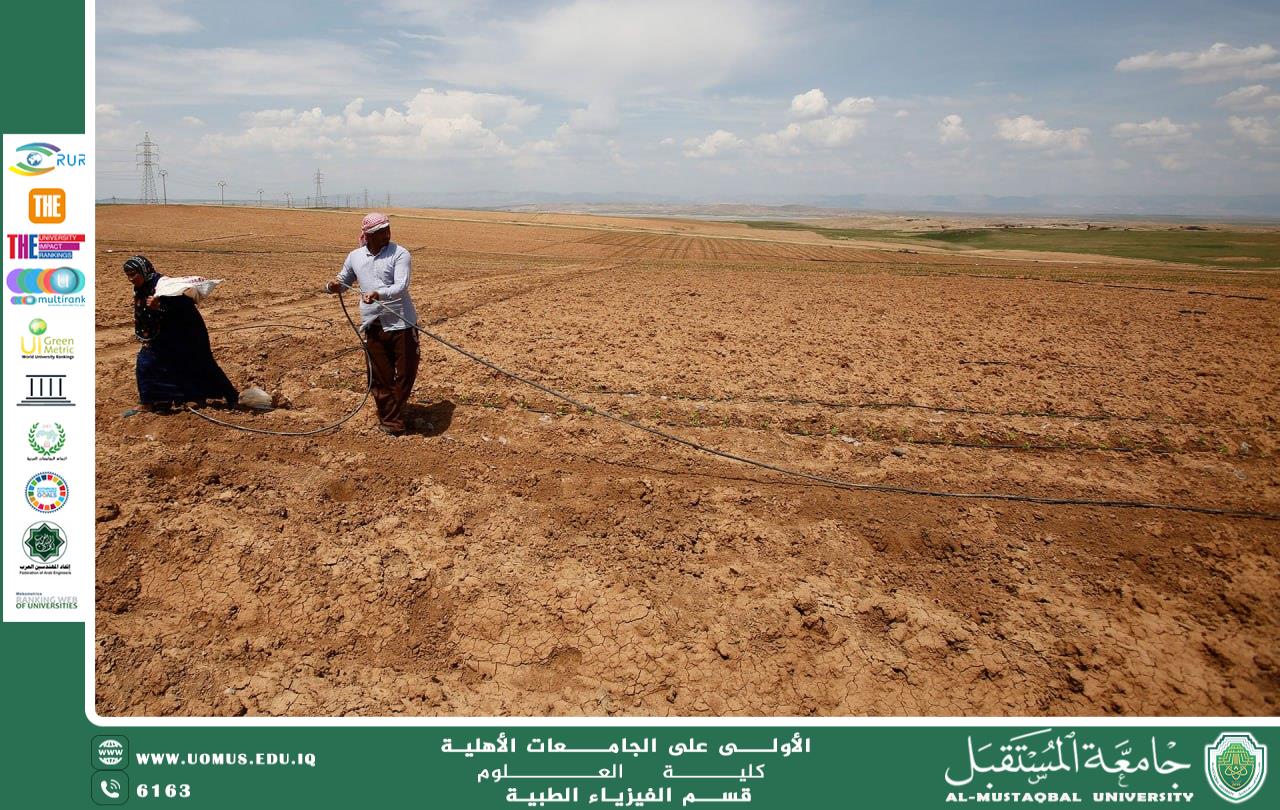
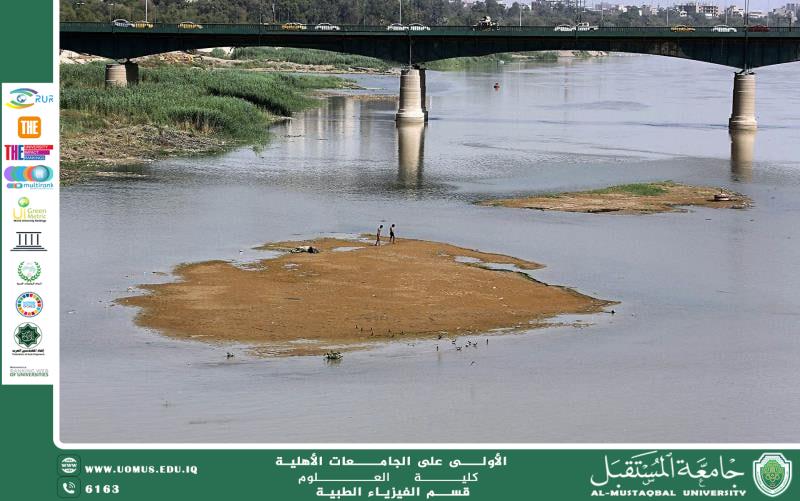
Iraq has experienced a significant decline in both surface and groundwater resources due to decreased rainfall, rising temperatures, and reduced water inflows from upstream countries. This has led to lower river and reservoir levels, shrinking irrigated areas, and deterioration in water quality due to increased salinity. Consequently, Iraq’s water security has reached a critical stage, as available resources are no longer sufficient to meet basic domestic, agricultural, and industrial needs. Under such conditions, drought constitutes a direct threat to the sustainability of life in many regions of the country.
Third: The Impact of Drought on Food Security
The agricultural sector is among the most affected by drought, as it relies heavily on water availability. Water scarcity has resulted in decreased agricultural production, particularly of strategic crops such as wheat and barley, as well as the loss of large numbers of livestock. As a result, dependence on food imports has increased, making Iraq’s food security more fragile and vulnerable to global economic fluctuations. Continued drought threatens Iraq’s ability to achieve food self-sufficiency and increases the risk of food insecurity.
Fourth: Economic and Social Implications
The impacts of drought extend beyond water and food shortages to include significant economic and social consequences. Drought has caused substantial losses for farmers, increased unemployment in rural areas, and intensified internal migration toward urban centers. It has also contributed to rising poverty levels and increased pressure on basic public services. Over time, these effects may lead to social tensions that threaten long-term societal stability.
Fifth: Adaptation and Mitigation Strategies
Addressing drought as a strategic threat requires Iraq to adopt comprehensive policies based on sustainable water resource management, modernization of irrigation techniques, investment in non-conventional water sources, and strengthened regional cooperation in managing shared rivers. Long-term planning, public awareness, and support for scientific research in climate and water studies are also essential components for adapting to drought and mitigating its impacts.
Conclusion
Drought in Iraq represents a serious strategic challenge to both water and food security and cannot be treated as a temporary or passing crisis. If left unaddressed, its continuation may lead to severe consequences affecting economic, social, and environmental stability. Therefore, confronting drought requires an integrated national vision that places water and food security at the core of development policies, ensuring a sustainable future for generations to come.
"AL_mustaqbal University is the first university in Iraq"