Facial Image Analysis Using Artificial Intelligence for Cosmetic Purposes A Scientific Article by Lecturer Lubna Ali Jalil
1. Introduction
The rapid advancement of artificial intelligence technologies in recent years has led to fundamental transformations across many scientific and medical fields, with cosmetic medicine being among the most impacted. Image processing and computer vision techniques have shifted cosmetic evaluation from a process largely based on subjective human judgment to a precise, data-driven scientific approach. Facial image analysis using artificial intelligence represents one of the most prominent modern applications that has significantly improved diagnostic accuracy, cosmetic treatment planning, and personalization of aesthetic procedures based on individual characteristics.
2. Concept of Facial Image Analysis for Cosmetic Applications
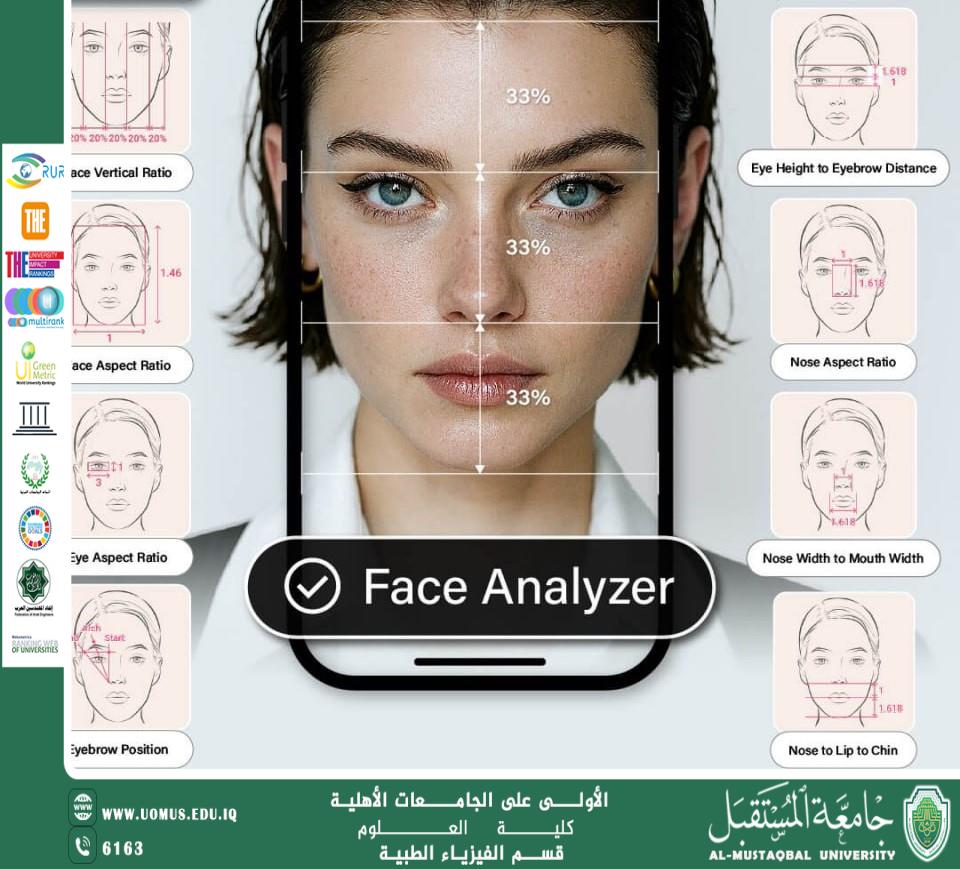
Facial image analysis is a computational process aimed at extracting geometric and visual features of the human face from two-dimensional or three-dimensional digital images. This analysis includes studying facial proportions, symmetry, feature distribution, and skin characteristics. In cosmetic applications, the objective extends beyond face recognition to include scientific assessment of facial aesthetics and harmony using artificial intelligence–based models.
3. Computer Vision as the Foundation of Facial Analysis
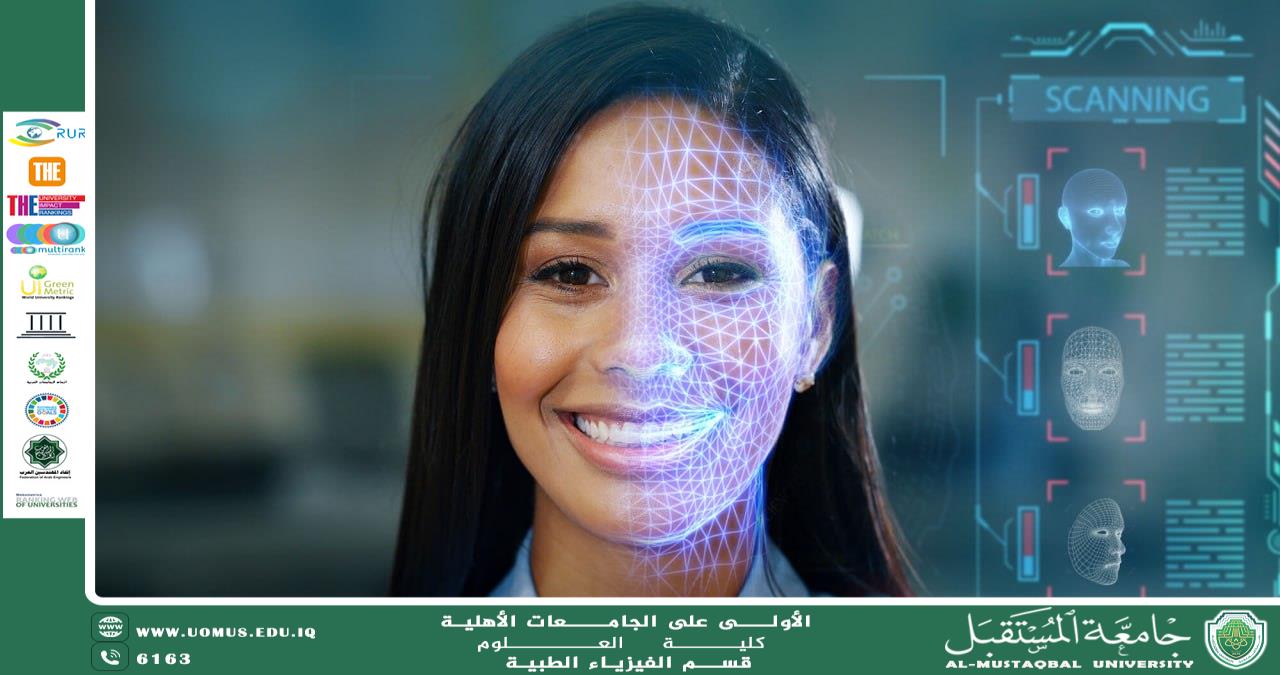
Computer vision forms the core of facial image analysis systems, enabling computers to interpret and understand visual information. The process begins with detecting the face within an image, separating it from the background, and identifying key facial landmarks. These landmarks provide a mathematical basis for analyzing symmetry, angles, and distances between facial components, which are essential parameters in cosmetic evaluation and planning.
4. Role of Deep Learning and Neural Networks
Modern facial analysis systems rely heavily on deep learning techniques, particularly Convolutional Neural Networks (CNNs), due to their exceptional ability to extract fine-grained features from images. These networks are trained on large datasets containing diverse facial images, allowing them to learn aesthetic patterns and natural facial variations. As training improves, models become capable of detecting subtle details such as early wrinkles, minor asymmetries, and skin texture variations, thereby enhancing cosmetic assessment accuracy.
5. Operational Stages of Facial Image Analysis Systems
The facial image analysis process consists of several interconnected stages:
Image Acquisition using high-resolution cameras or smart devices.
Preprocessing to enhance lighting conditions and reduce noise.
Face Detection to locate the face within the image.
Facial Landmark Extraction to identify key features.
Data Analysis Using AI Models trained on cosmetic datasets.
Result Visualization, presented as analytical reports or visual simulations.
These stages collectively ensure comprehensive and accurate cosmetic analysis.
6. Facial Symmetry and Aesthetic Proportion Analysis
Facial symmetry is considered a fundamental criterion in cosmetic medicine. Artificial intelligence systems utilize mathematical and statistical models to quantify symmetry between the left and right sides of the face and to detect minor deviations that may not be easily perceived by the human eye. Such analysis supports precise decision-making in cosmetic correction and enhancement procedures.
7. Skin Analysis Using Artificial Intelligence
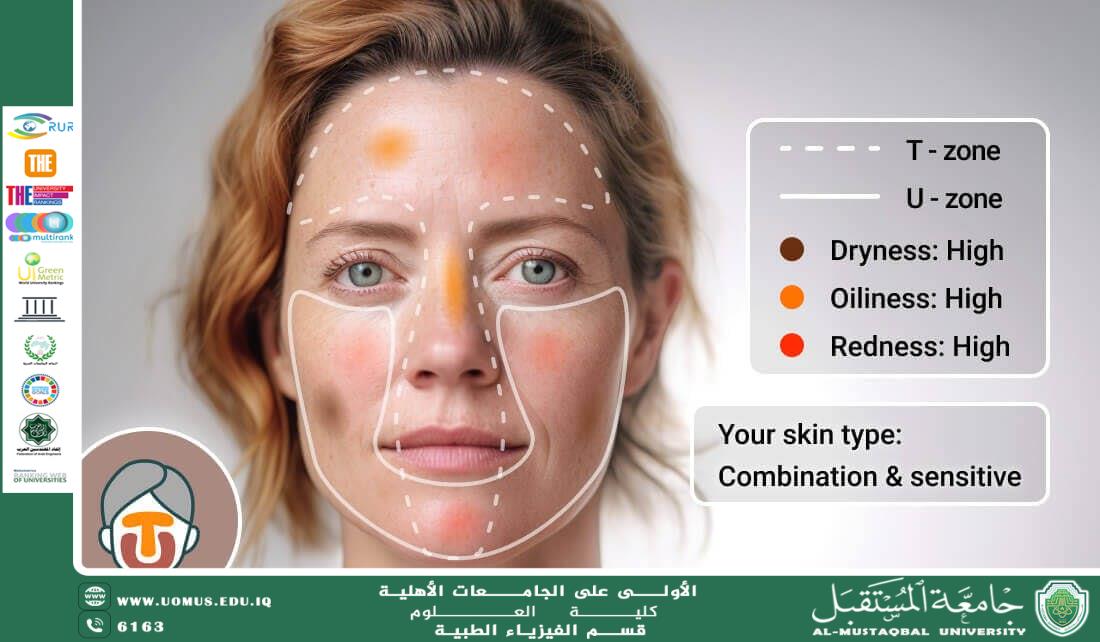
Beyond facial feature analysis, artificial intelligence plays a vital role in skin assessment. AI algorithms can detect conditions such as wrinkles, pigmentation, acne, enlarged pores, and uneven skin tone by analyzing skin texture, color distribution, and surface irregularities. This enables clinicians to select personalized cosmetic treatments tailored to each individual’s skin condition.
8. Virtual Simulation of Cosmetic Outcomes
Virtual simulation is one of the most impactful applications of AI in cosmetic practice. It allows both patients and practitioners to visualize potential outcomes before undergoing any procedure. These simulations rely on AI models capable of digitally modifying facial features while maintaining realism, thereby improving communication, managing expectations, and supporting informed decision-making.
9. Applications of Facial Image Analysis in Cosmetic Medicine
Practical applications of AI-based facial analysis include:
Precise planning of cosmetic surgical procedures.
Personalization of non-surgical treatments such as fillers and botulinum toxin injections.
Objective evaluation of pre- and post-procedure outcomes.
Support for digital cosmetic consultations.
Development of intelligent cosmetic applications for consumers.
10. Scientific and Technical Advantages
The integration of artificial intelligence into facial image analysis offers numerous advantages, including:
Increased accuracy and objectivity in cosmetic assessment.
Reduction of human error and subjective bias.
Enhanced patient experience and confidence.
Strong decision-support for cosmetic practitioners.
Time efficiency and streamlined workflows.
11. Ethical and Technical Challenges
Despite its significant benefits, AI-based facial analysis presents several challenges. These include ensuring data privacy and security of facial images, preventing algorithmic bias, and maintaining transparency in AI decision-making. Ethical use of these technologies requires strict regulatory frameworks and continuous human oversight to prevent misuse or overreliance on automated systems.
12. Future Perspectives of Facial Analysis in Cosmetic Applications
With ongoing advancements in artificial intelligence, facial analysis systems are expected to become more accurate, accessible, and widely adopted. Future developments may include fully personalized cosmetic planning, real-time facial analysis, and integration with three-dimensional modeling technologies. These advancements are likely to play a central role in shaping the future of intelligent and personalized cosmetic medicine.
Conclusion
Facial image analysis using artificial intelligence represents a transformative advancement in modern cosmetic practice. By combining computational precision with medical expertise, these technologies enhance diagnostic accuracy, treatment planning, and patient satisfaction. When implemented within appropriate ethical and technical frameworks, AI-driven facial analysis has the potential to significantly improve the quality, safety, and effectiveness of cosmetic care
"AL_mustaqbal University is the first university in Iraq"