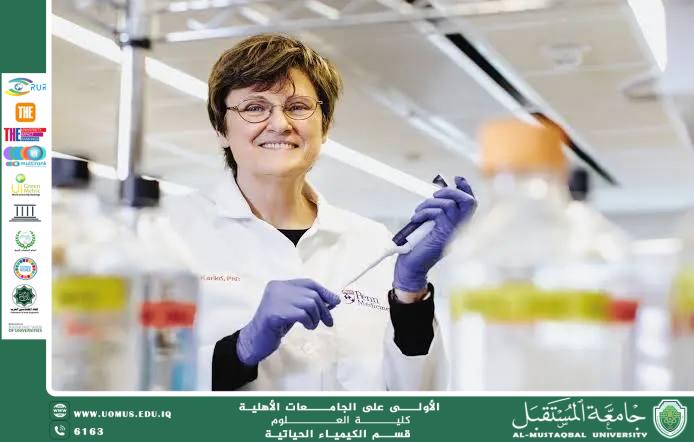
A Scientific Article by Instructor M.M. Zahra Hazem Hamed, titled: Katalin Karikó: The Scientist Who Changed the Future of Medicine Despite Rejection
In the history of science, success is not measured solely by the number of awards, but by a scientist's ability to persevere in the face of failure and neglect. Katalin Karikó is a living testament to this, as her research on messenger RNA (mRNA) led to one of the most significant medical revolutions of the 21st century, directly contributing to the development of vaccines that saved millions of lives.
Early Life and Scientific Career
Born in 1955 in Hungary, Katalin Karikó grew up in humble circumstances, yet that did not deter her from pursuing science. She studied biochemistry and later moved to the United States to continue her research. For many years, she faced significant difficulties in securing funding and academic support, and her research proposals were repeatedly rejected due to the scientific community's disbelief in the therapeutic potential of mRNA at the time.
The mRNA Scientific Revolution
The prevailing belief was that mRNA was unstable and could trigger dangerous immune responses, making it unsuitable for medical use. However, Karikó, in collaboration with her colleague Drew Weissman, discovered that modifying the nitrogenous bases in the mRNA molecule could reduce unwanted immune reactions and enhance its stability within cells. This discovery completely transformed the scientific perspective and paved the way for using mRNA in vaccines and therapies.
The Crucial Role in COVID-19 Vaccines
When the world was struck by the coronavirus pandemic, Karikó's research became the scientific foundation for mRNA vaccines like Pfizer-BioNTech and Moderna. This technology enabled the unprecedentedly rapid development of highly effective vaccines, making them a critical tool in combating the pandemic.
The Nobel Prize and Long-Awaited Recognition
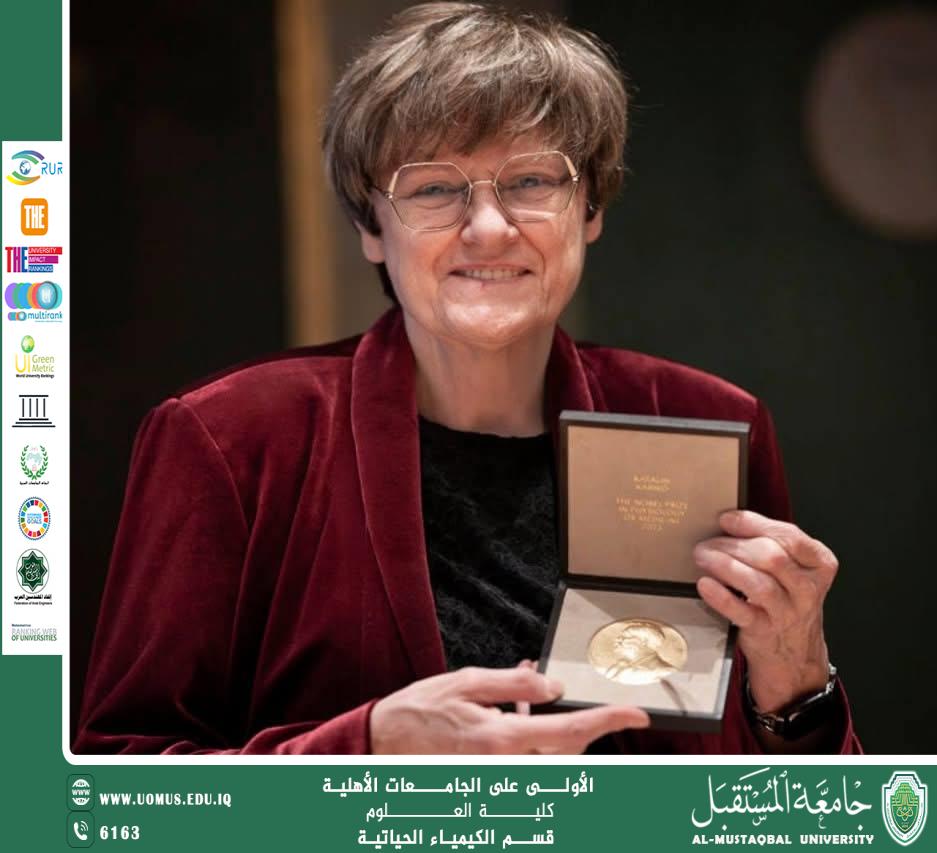
In 2023, Katalin Karikó was awarded the Nobel Prize in Physiology or Medicine, jointly with Drew Weissman, in recognition of their discoveries related to mRNA modifications. This honor represented global acknowledgment of the value of long-term scientific work and the importance of believing in an idea despite persistent rejection.
Scientific and Humanitarian Impact
The impact of Karikó's research extends beyond vaccines, encompassing potential treatments for cancer, genetic diseases, and immune disorders. Her story has also become a source of inspiration for researchers, especially women in science, emphasizing that perseverance and genuine scientific inquiry may face delayed recognition but will never be in vain.
Katalin Karikó represents a model of a scientist who works quietly and believes in science despite all obstacles. She has proven that great discoveries are not always born in ideal environments—they can emerge from persistence, patience, and a deep faith in the power of scientific knowledge.
---
University of Al-Mustaqbal Ranks First Among Iraqi Private Universities