N-Type TOPCon Solar Panels: High Efficiency and Sustainable Performance for Photovoltaic Systems
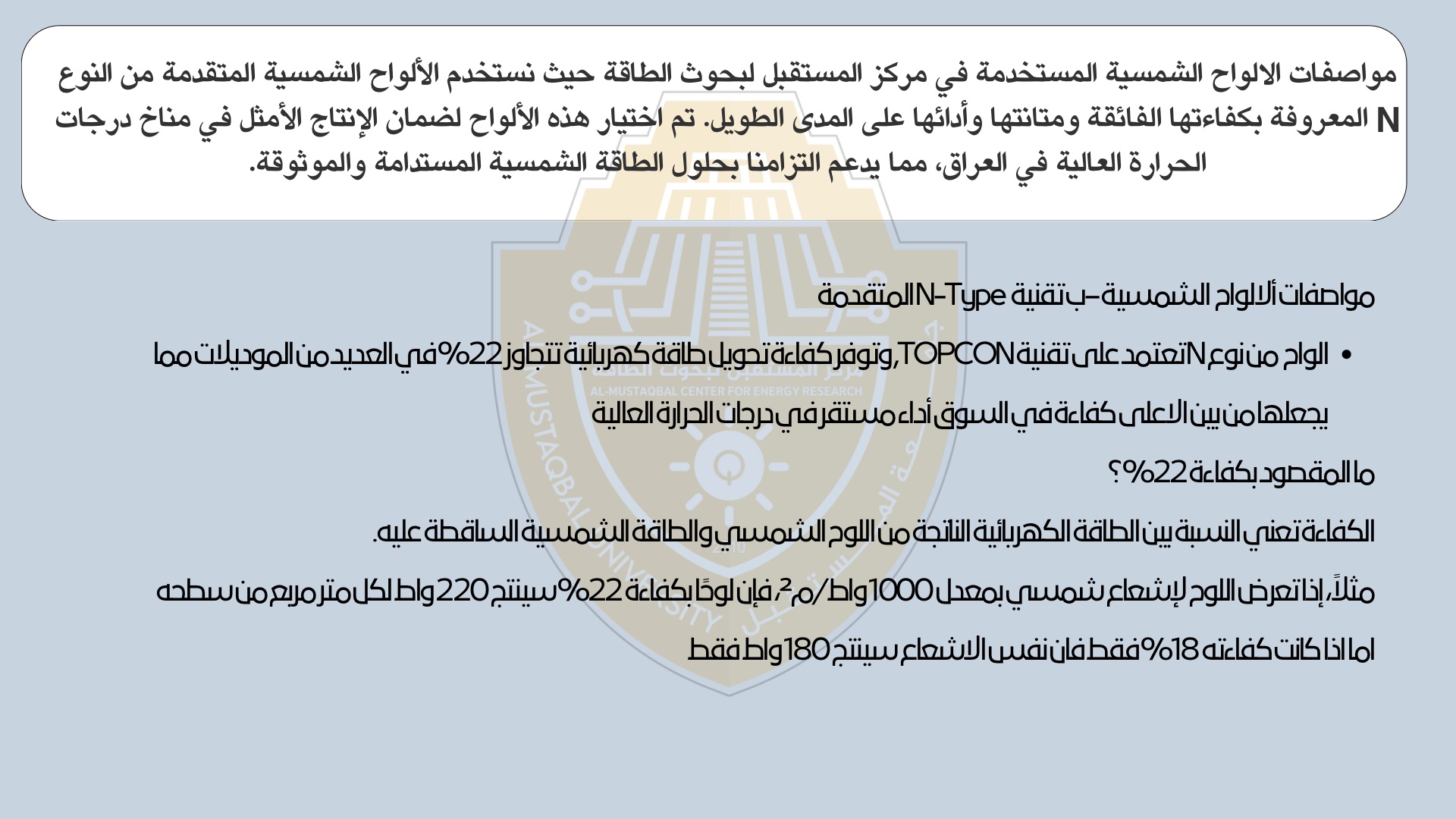
When designing or selecting a solar energy system, understanding the technical specifications of solar panels is essential for reliable performance and high efficiency. These specifications include the maximum power (Pmax), which indicates the peak energy output under standard test conditions, the open-circuit voltage (Voc) and short-circuit current (Isc) for proper inverter and charge controller sizing, and the voltage (Vmp) and current (Imp) at maximum power. Panel efficiency represents the proportion of sunlight converted into usable electricity, while the temperature coefficient indicates performance reduction at high temperatures. Panel dimensions and weight are important for installation planning, and tolerance specifies the upper and lower bounds of rated power. The maximum system voltage ensures safe operation, while warranties typically cover product defects for 10–25 years and performance guarantees, maintaining at least 80% of rated output after 25 years. At our center, we utilize N-Type TOPCon solar panels due to their superior energy conversion efficiency exceeding 22% and stable performance at high temperatures, with a low thermal loss coefficient of only 0.26% per degree Celsius. These panels exhibit extremely slow degradation, retaining at least 88% of their rated capacity after 30 years. They also generate energy under partial shading through Half-Cell and MBB technologies. Designed to withstand extreme environmental conditions—including strong winds, humidity, ammonia, and salinity—they are certified to international standards such as IEC and CE. The result is reliable performance and sustainable energy, making them a long-term investment that ensures high productivity year-round in hot and challenging climates.