Quail Rearing and Its Importance in Animal Production
27/12/2025 Share :
Quail Rearing and Its Importance in Animal Production
Prof. Dr. Thamer Karim Khudair
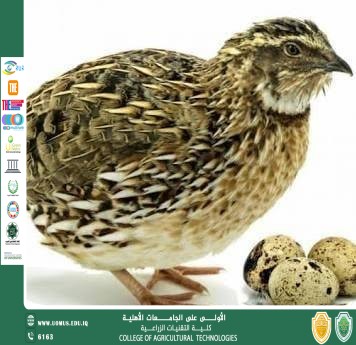
Quail rearing is considered one of the promising projects in the field of animal production, due to the distinctive characteristics of these birds, such as rapid growth, a short production cycle, and high efficiency in converting feed into meat and eggs. In recent years, quail farming has received increasing attention as an effective solution for providing a high-quality protein source at a relatively low production cost compared with some other types of poultry.
Economic and Nutritional Importance of Quail Rearing
Quail meat is distinguished by its high nutritional value, as it contains high levels of protein, vitamins, and minerals, in addition to a lower fat content compared with other poultry meats. Quail eggs are also characterized by their small size and health benefits, making them desirable to a wide range of consumers. Economically, quail farming does not require large areas or high capital investment, which makes it suitable for small and medium-scale projects.
Productive Characteristics of Quail
Quail are characterized by early sexual maturity, beginning egg production at a relatively young age, in addition to a high egg-laying rate throughout the year. They also have a good ability to adapt to different environmental conditions, provided that appropriate rearing requirements are met in terms of temperature, lighting, and ventilation.
Quail Rearing Systems
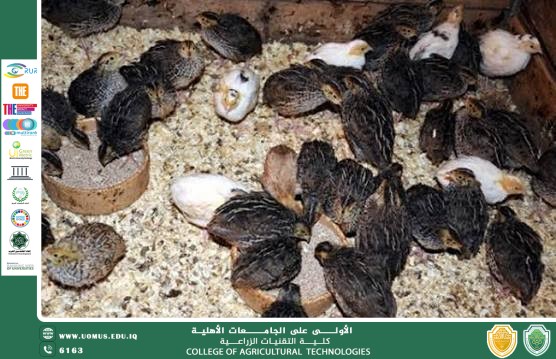
Quail rearing systems vary between floor rearing and cage rearing. Cage rearing is the most common system, as it provides ease of management, reduces feed waste, and improves hygiene levels. The success of these systems requires adequate lighting and balanced feeding programs that are appropriate for the different age and production stages.
Nutrition and Health Care
Nutrition plays a fundamental role in improving the productive performance of quail. Feed rations should contain appropriate levels of protein, energy, vitamins, and minerals. In addition, the implementation of preventive health programs, including regular sanitation and necessary vaccinations, contributes to limiting the spread of diseases and achieving stable, high-quality production.
Challenges and Future Prospects
Despite the many advantages of quail rearing, this activity faces several challenges, such as a lack of technical expertise and limited specialized extension programs. Hence, the importance of supporting scientific research and developing training programs for breeders becomes evident, in addition to adopting modern technologies in management and nutrition to improve productivity.
Conclusion
Quail rearing demonstrates great potential to contribute to the development of the animal production sector and to achieving food security, especially in light of limited agricultural resources. The adoption of modern scientific methods in rearing, management, and nutrition is a decisive factor in ensuring the success and sustainability of this type of project.
University of Al-Mustaqbal , ranked first among private universities in Iraq