Article in about Hypertension
28/12/2025 Share :
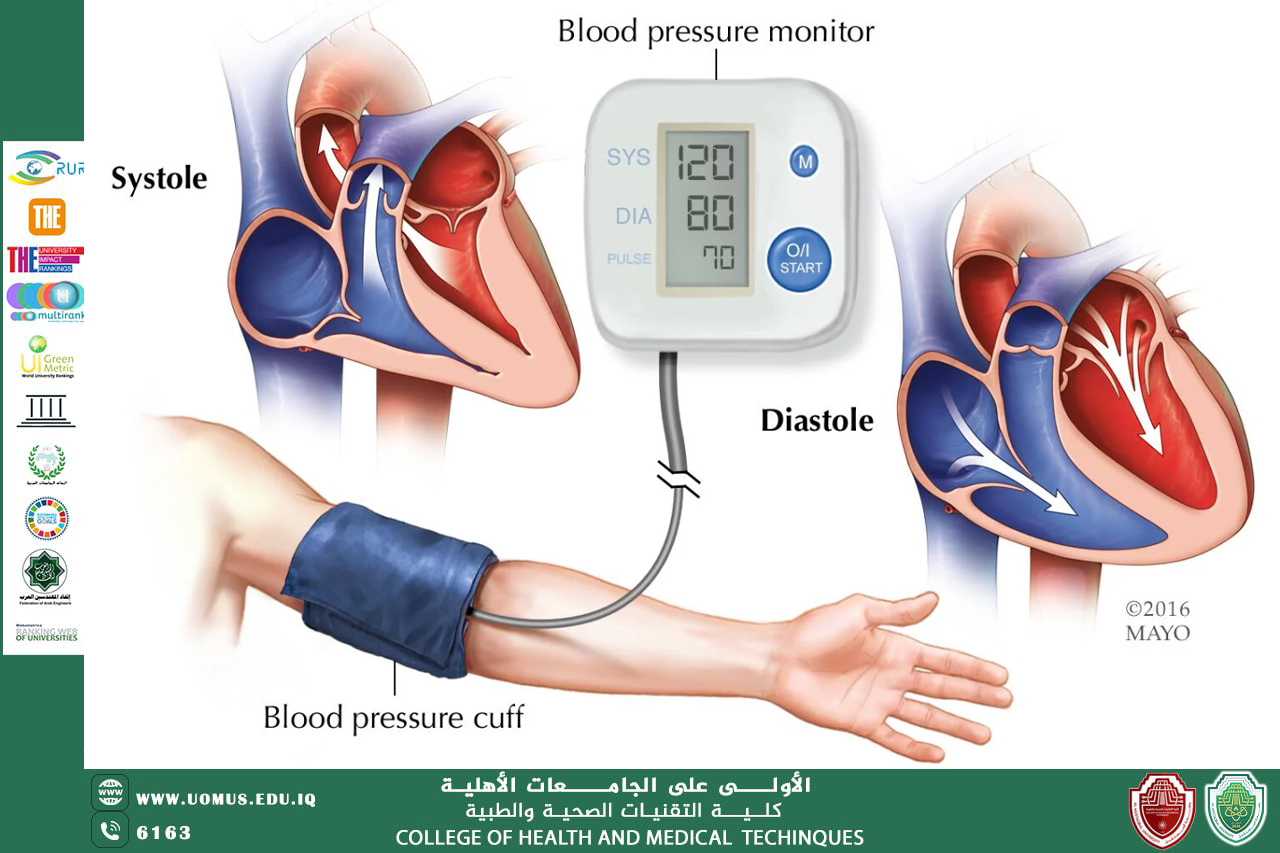
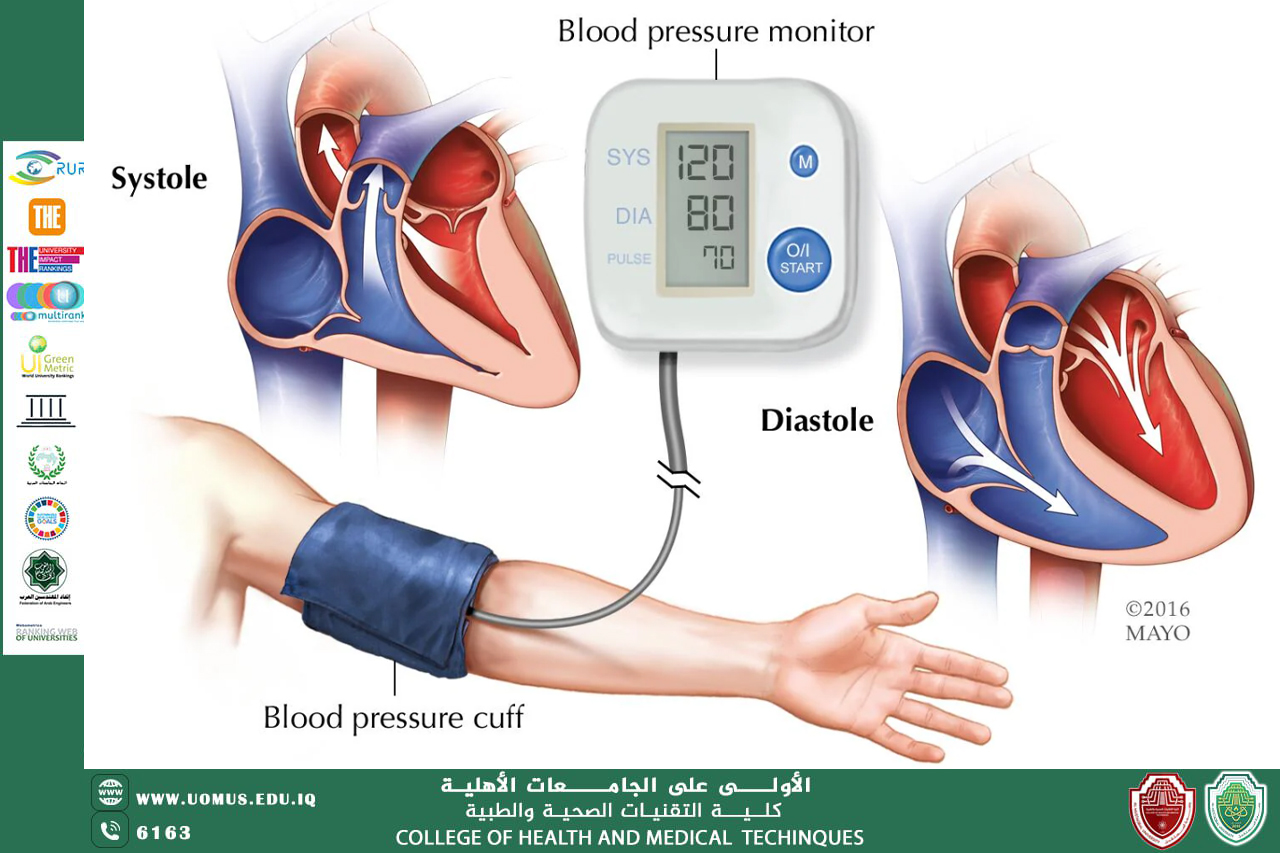
Hypertension, or high blood pressure, is a common chronic condition often referred to as the “silent killer” because it usually shows no obvious symptoms in its early stages. It occurs when the force of blood against the walls of the arteries remains elevated over a long period of time.
Hypertension is classified into two main types:
• Primary (essential) hypertension, which is the most common type and has no identifiable cause, often related to lifestyle and genetic factors.
• Secondary hypertension, which results from other medical conditions such as kidney disease, endocrine disorders, or the use of certain medications.
In advanced cases, symptoms may include headaches, dizziness, shortness of breath, blurred vision, and chest pain. If not properly managed, hypertension can lead to serious complications such as heart disease, stroke, kidney failure, and damage to blood vessels.
The management of hypertension focuses on adopting a healthy lifestyle, including reducing salt intake, engaging in regular physical activity, maintaining a healthy weight, and avoiding smoking. In some cases, antihypertensive medications are prescribed under medical supervision. Regular medical follow-up is essential for effective control and prevention of complications.
In conclusion, early detection and adherence to treatment play a crucial role in controlling hypertension and improving patients’ quality of life
Mustaqbal University
The First University in Iraq