The Role of Medical Physics in Improving Diagnostic and Radiotherapy Techniques (Assistant Professor Dr. Furat Hamza Al-Sultani)
31/12/2025 Share :
Medical physics is a vital field that combines physical principles with medical applications, playing a key role in the development of diagnostic and therapeutic techniques, particularly in the area of medical radiation. With the continuous advancement of science and technology, medical physics has a direct impact on improving the quality of healthcare, by providing precise diagnostic tools and effective therapeutic methods.
Many modern medical imaging techniques are based on principles of physics, which have contributed to improving both the accuracy and speed of diagnosis. Some of the most prominent techniques include:
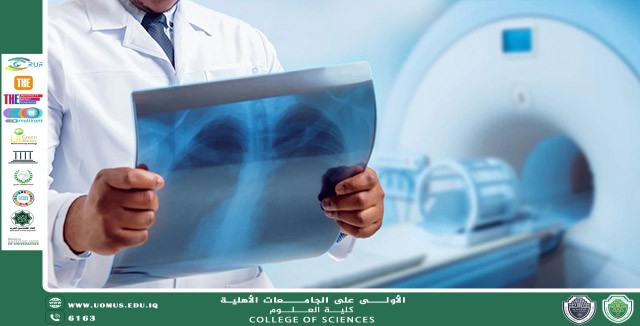
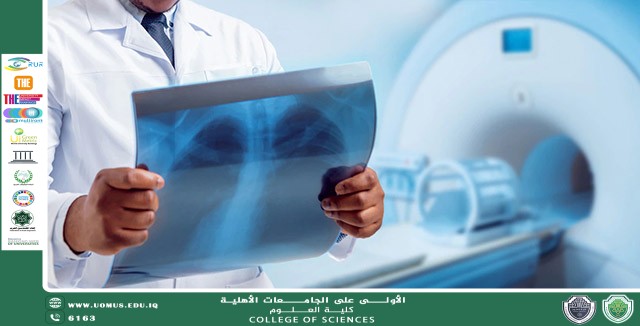
X-ray Imaging: X-rays are used to detect fractures, lung diseases, and other conditions. This technique has significantly advanced through digital imaging technologies, which enhance accuracy while reducing radiation exposure.
Computed Tomography (CT Scan): Uses X-rays to capture 3D images of tissues and internal organs, aiding in more precise disease detection.
Magnetic Resonance Imaging (MRI): Utilizes magnetic fields and radio waves to produce detailed images of the brain, spine, and soft tissues without ionizing radiation.
Nuclear Imaging (PET and SPECT): Uses radioactive tracers to detect tissue and cellular activity, which assists in diagnosing cancer, heart diseases, and neurological disorders.
The role of medical physics is not limited to diagnostics; it also extends to the development of radiotherapy techniques, primarily used in cancer treatment. Key techniques include:
External Beam Radiotherapy (EBRT): Uses high-energy X-ray or proton beams to precisely target cancer cells while minimizing damage to surrounding healthy tissues.
Intensity-Modulated Radiotherapy (IMRT): An advanced technique that allows precise modulation of radiation intensity, directing the dose to the tumor and reducing side effects.
Proton Therapy: One of the latest radiotherapy techniques, offering greater accuracy for deep tumors while reducing exposure to healthy tissues.
Brachytherapy: Involves implanting radioactive sources near the tumor to deliver a high radiation dose locally while minimizing exposure to surrounding healthy tissue.
Medical physicists play an essential role in hospitals and treatment centers, with responsibilities that include:
Calibrating and maintaining imaging and radiotherapy equipment.
Accurately calculating radiation doses to ensure treatment effectiveness and patient safety.
Developing new techniques and improving treatment protocols.
Ensuring compliance with radiation safety standards to protect patients and healthcare workers.
Medical physics is a cornerstone of modern medical advancement, contributing to better diagnosis and treatment through the application of physical principles in medicine. With ongoing technological progress, we can expect further innovations that enhance diagnostic precision and therapeutic effectiveness, ultimately improving healthcare quality and saving more lives.
Al-Mustaqbal University – The First University in Iraq
SDG4