Case study and field analysis entitled “Evaluating the use of electrocardiogram (ECG) in monitoring inpatients”
04/01/2026 Share :
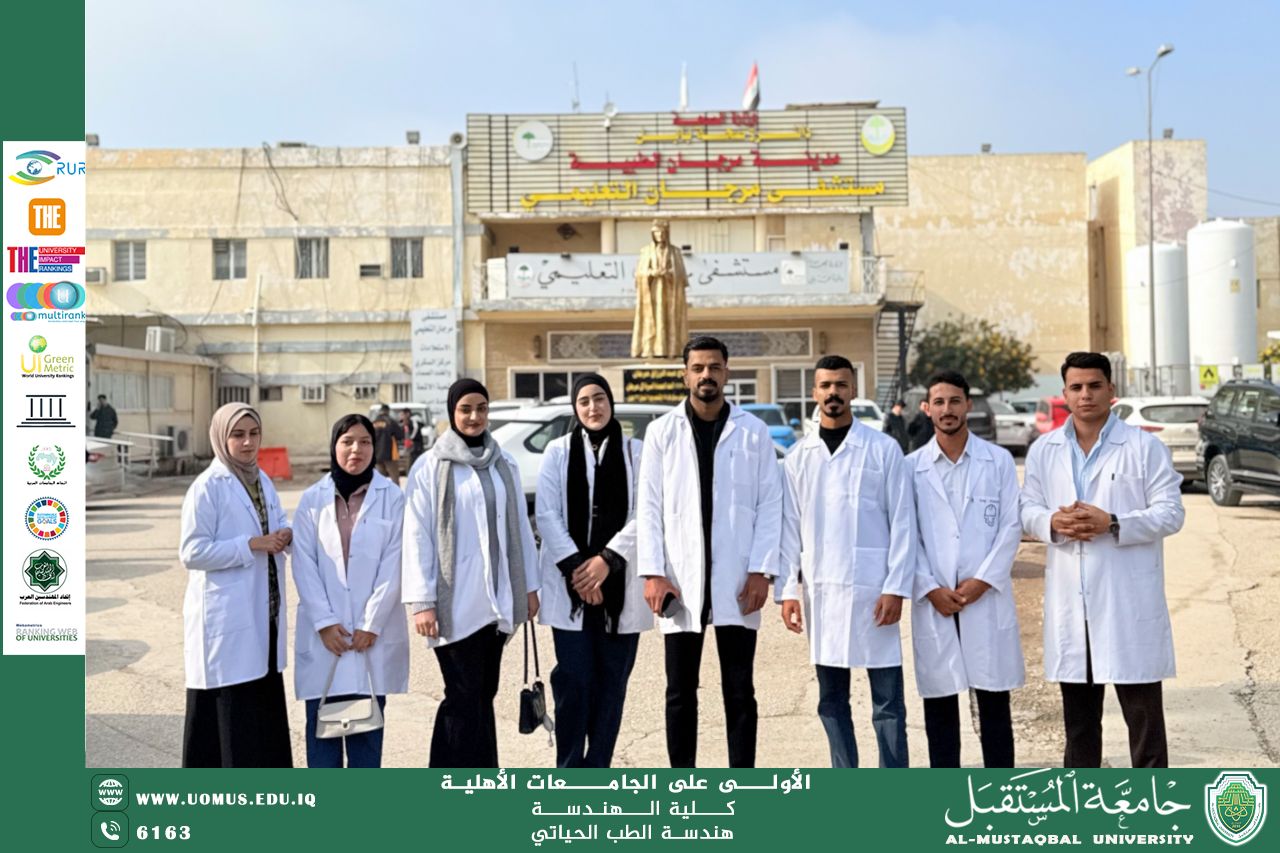
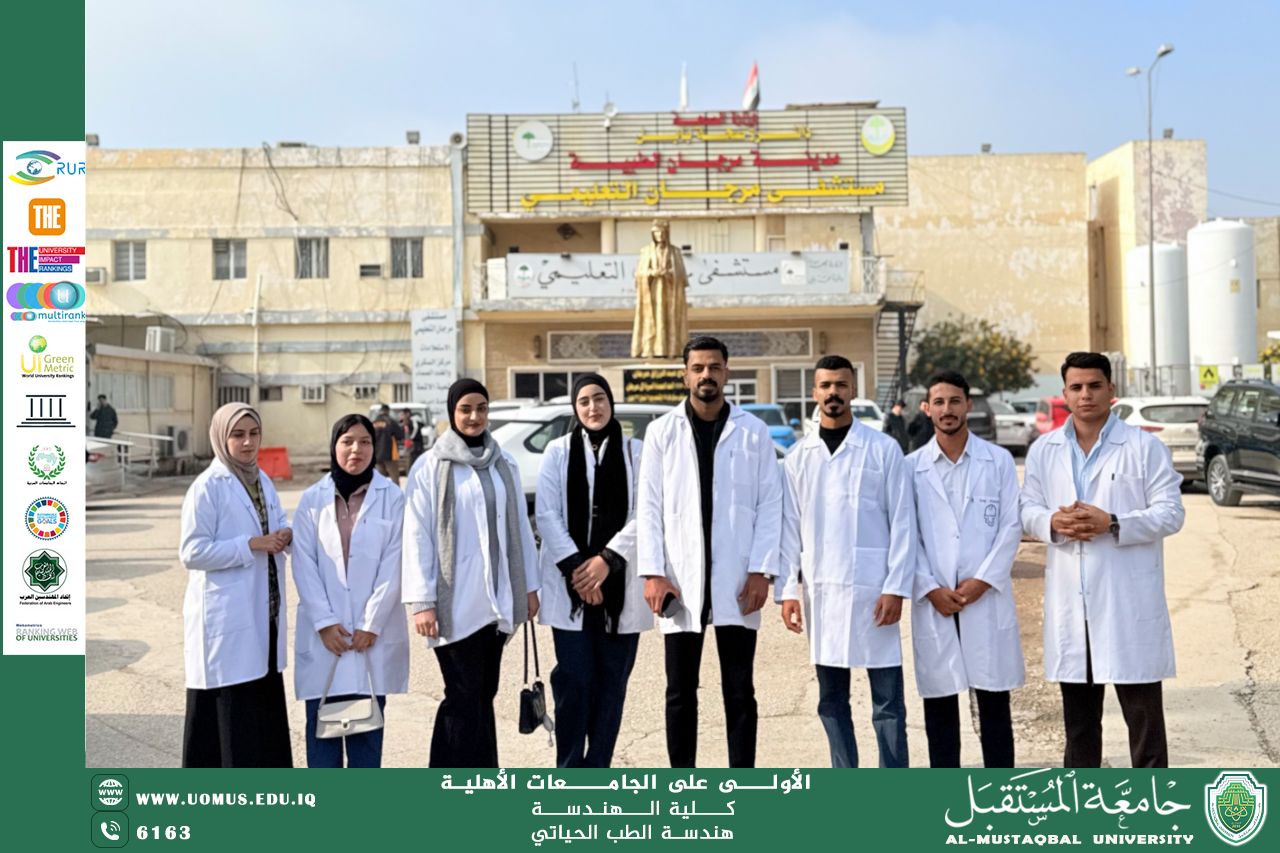
Third-year students in the Biomedical Engineering Department conducted a case study and field analysis titled “Evaluating the Use of Electrocardiogram (ECG) Devices in Inpatient Monitoring,” supervised by Assistant Lecturer Iman Yasser Hussein.
Within the framework of the Sustainable Development Goals (SDG 3), the harm resulting from the misuse or malfunction of ECG devices poses a serious threat to public health. For example, electrode malfunctions or signal fluctuations can severely disrupt the diagnostic process, leading to the loss of vital data and disruptions in patient monitoring. The heart also experiences stress in emergencies, as delays in accurate readings increase the risk of undetected heart attacks and strokes. Hospitals and intensive care units, which act as filters for monitoring critical cases, are under significant pressure and may become unable to save patients over time due to insufficient routine maintenance of the devices. The monitoring system may be compromised by inadequate technical calibration, making patients more vulnerable to health risks. Diagnostic efficiency is compromised by the presence of electronic noise (artifacts), leading to a decrease in the accuracy of the final diagnosis. The risk of error in electrocardiogram (ECG) readings is always present, potentially leading to sudden death—a real threat requiring both engineering and medical awareness and caution.
We must also not forget the ever-present risk of sudden machine failure or inaccurate readings, which directly impacts patients' lives.
Future University... Ranked First Among Private Universities