Awareness campaign: First aid principles and saving lives
06/01/2026 Share :
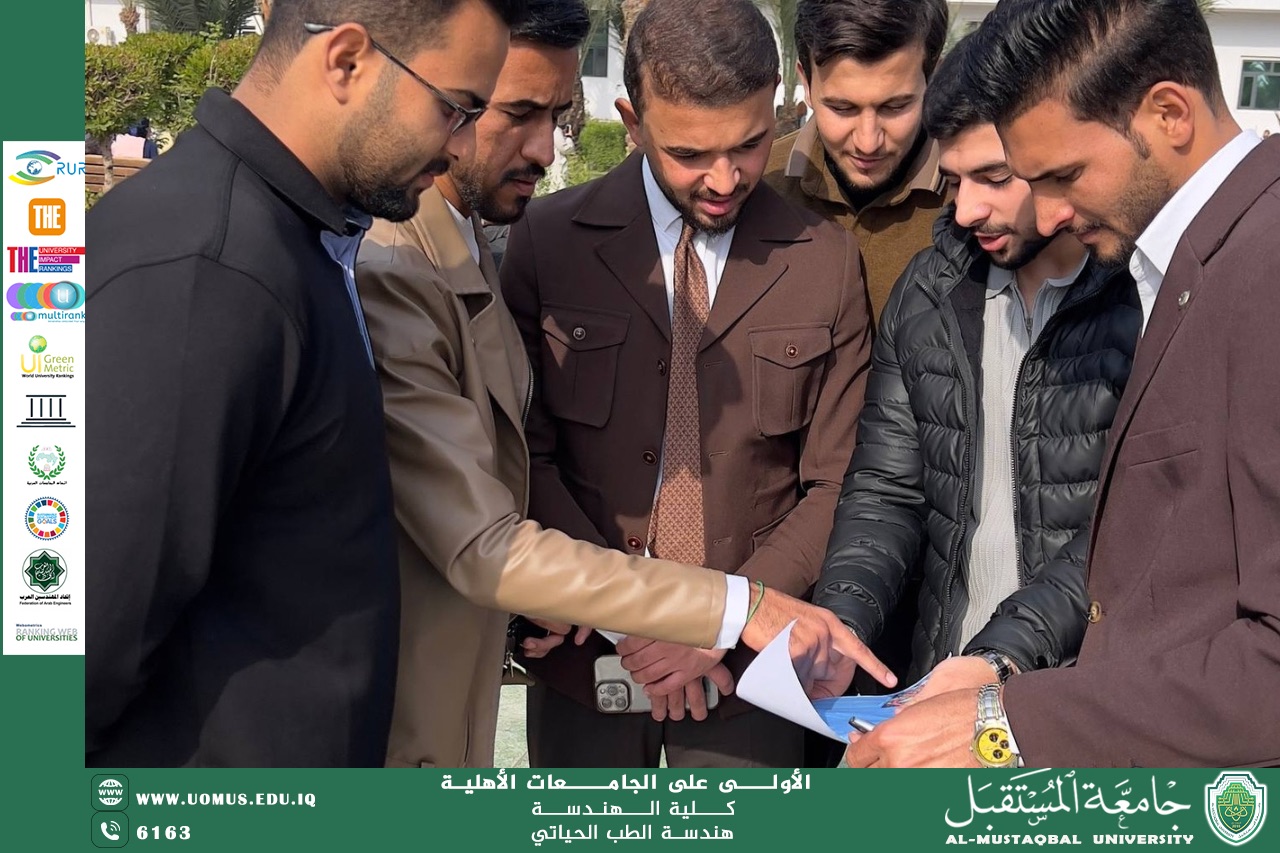
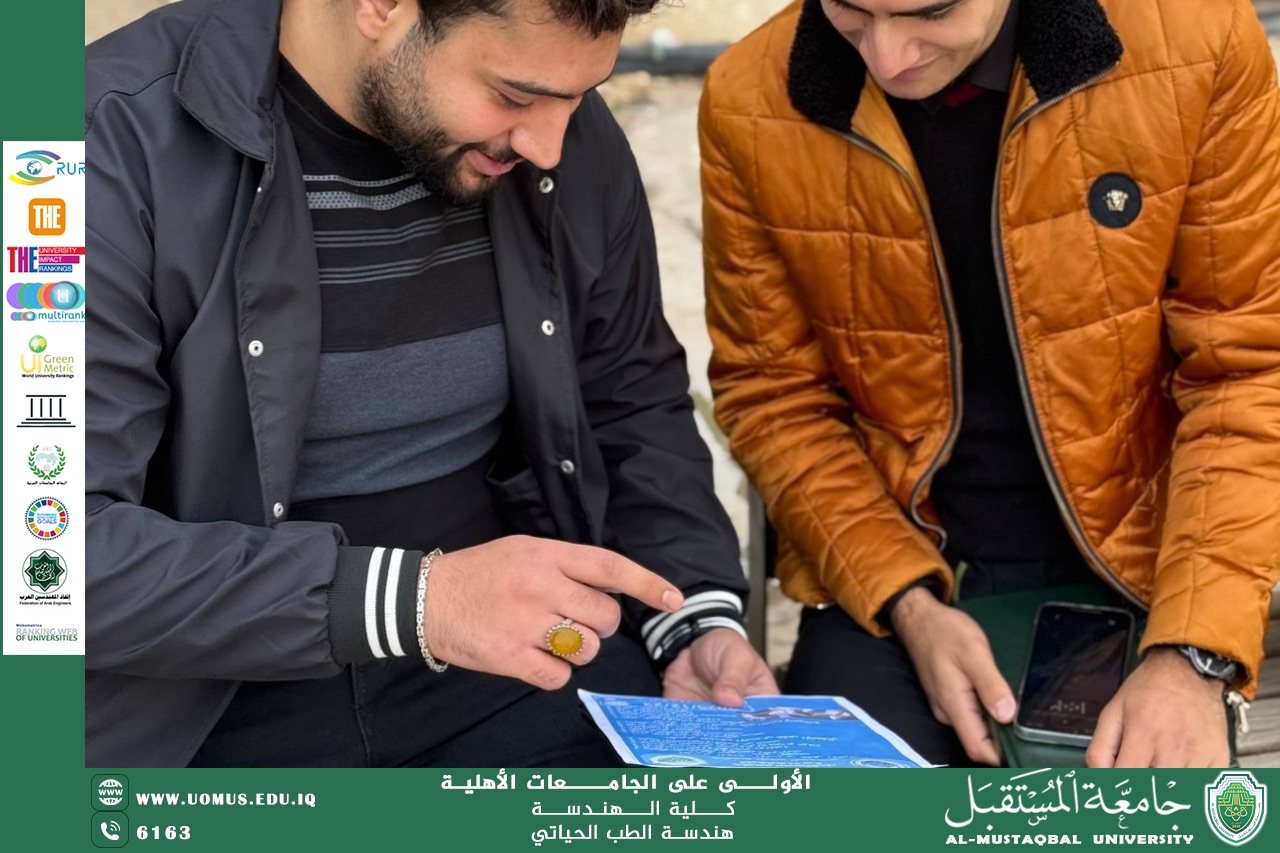
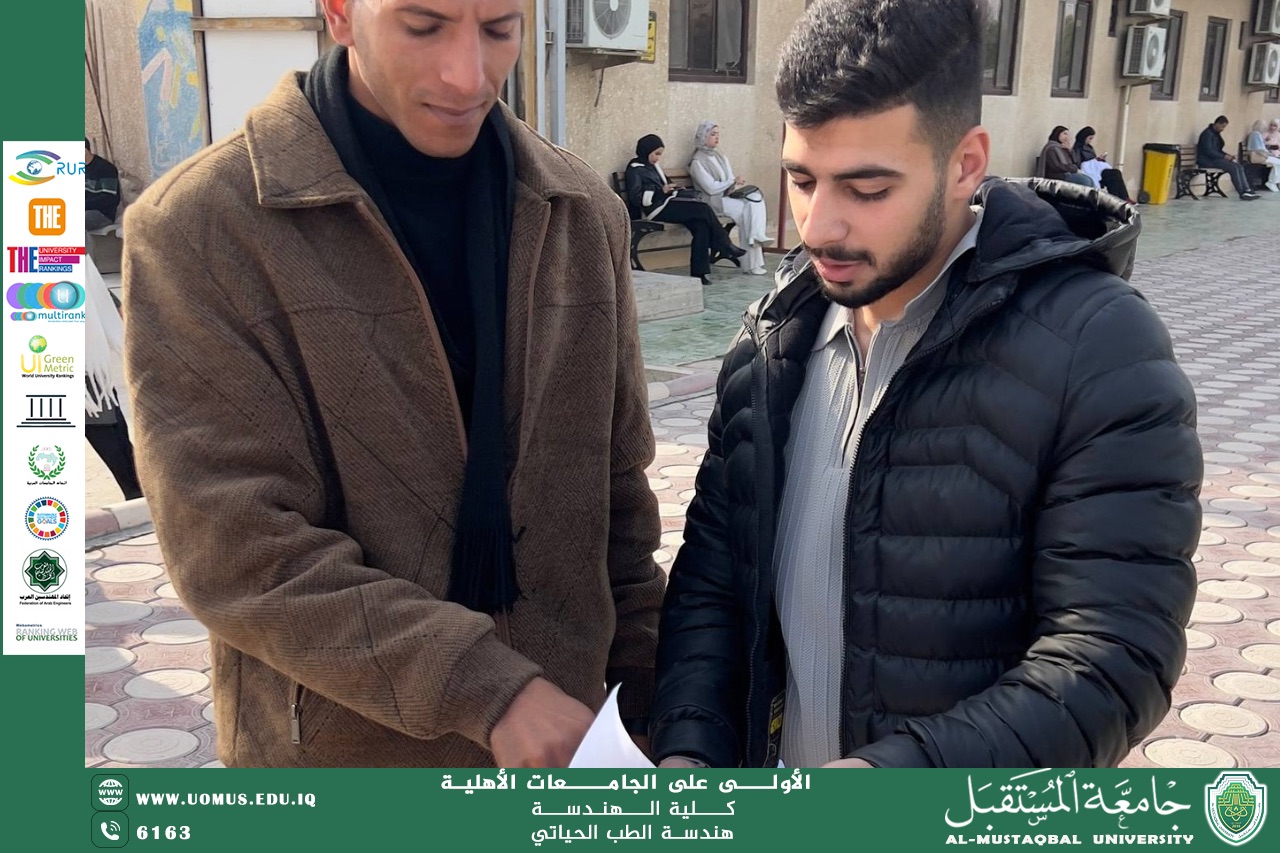
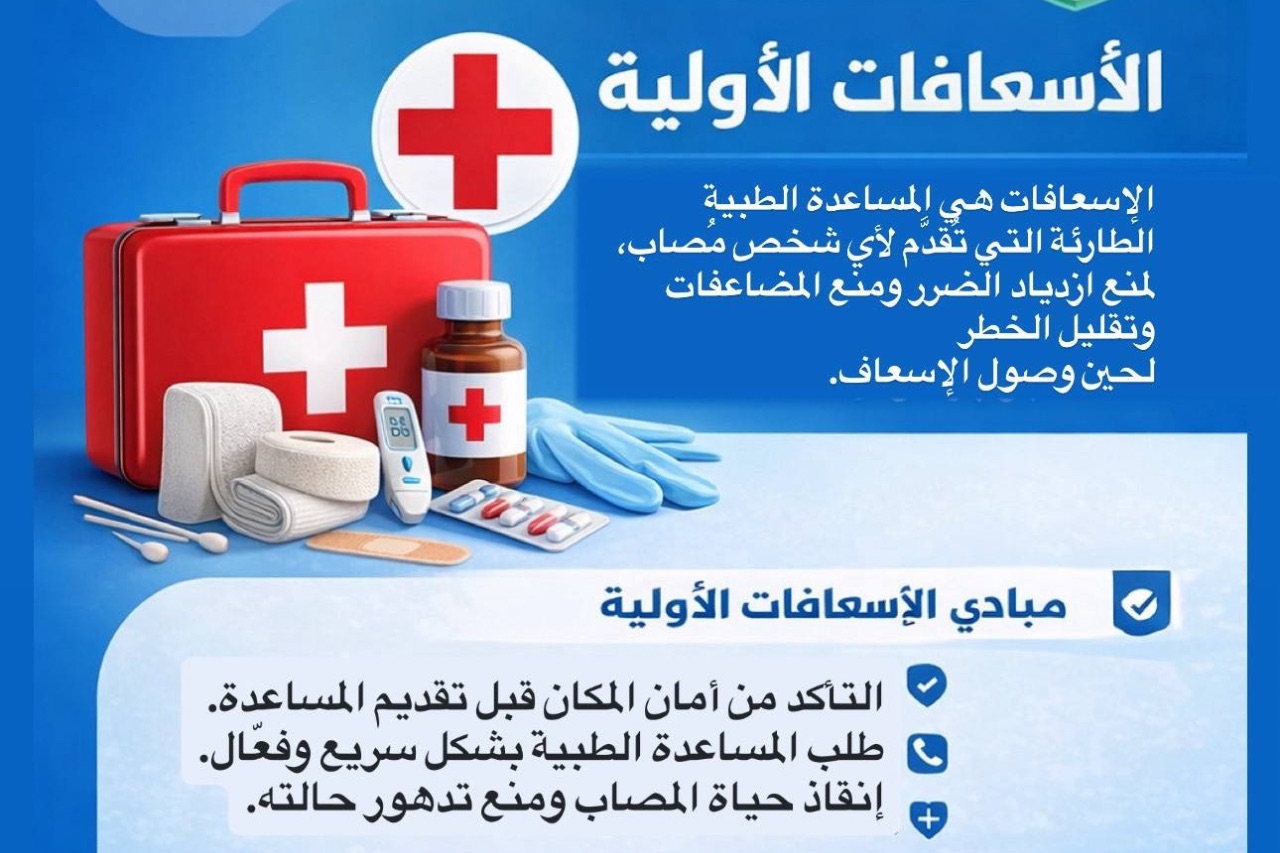
Fourth-year students in the Biomedical Engineering Department launched an awareness campaign titled "First Aid Culture: A Life-Saving Skill," under the supervision of Assistant Lecturer Iman Yasser Hussein and Engineer Zahraa Mohammed Kadhim.
First aid is the line between life and death in the crucial first minutes after an injury. It is a humanitarian and scientific responsibility that necessitates everyone's familiarity with its fundamentals. The importance of rapid intervention lies in cases of sudden cardiac and respiratory arrest, where cardiopulmonary resuscitation (CPR) helps maintain blood flow to the brain and prevent damage to vital cells. First aid also includes managing severe bleeding, which can lead to vascular shock and organ failure if not controlled with direct pressure and proper scientific methods.
Within the framework of the Sustainable Development Goals (Goal 3), first aid plays a pivotal role in cases of burns and fractures. Proper management minimizes the worsening of tissue damage and prevents permanent complications or serious bacterial infections. We must also not forget the management of cases of suffocation and airway obstruction, which require decisive and rapid action to avoid hypoxia, a condition that threatens the nervous system. Awareness of how to use an automated external defibrillator (AED) and manage seizures and fainting spells is a cornerstone of promoting public health and reducing deaths from sudden accidents.
First aid is not merely a set of technical procedures; it is a proactive culture that empowers every individual to become a "potential first aider," capable of preserving what is most precious to humankind: life.
Al-Mustaqbal University is ranked first among private universities in Iraq.