
Dentin Hypersensitivity: Diagnosis and Management
07/01/2026 Share :
Lecturer Mohammed Fares Jabaz
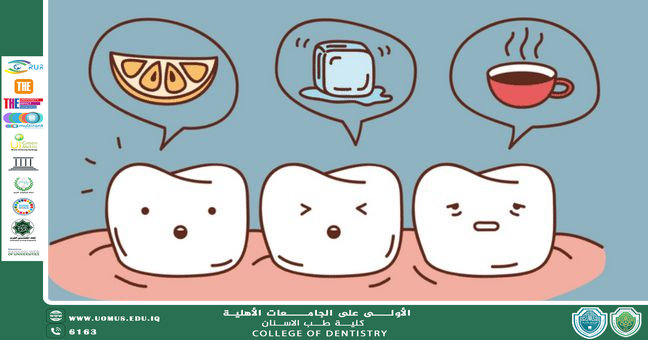
Many patients complain of sudden, short-lasting pain when consuming cold or hot beverages, or even when breathing in cold air. This pain is often underestimated, despite being a clear indicator of dentin hypersensitivity. Although it may appear minor, this condition reflects an imbalance in tooth structure and function and requires accurate diagnosis and appropriate management.
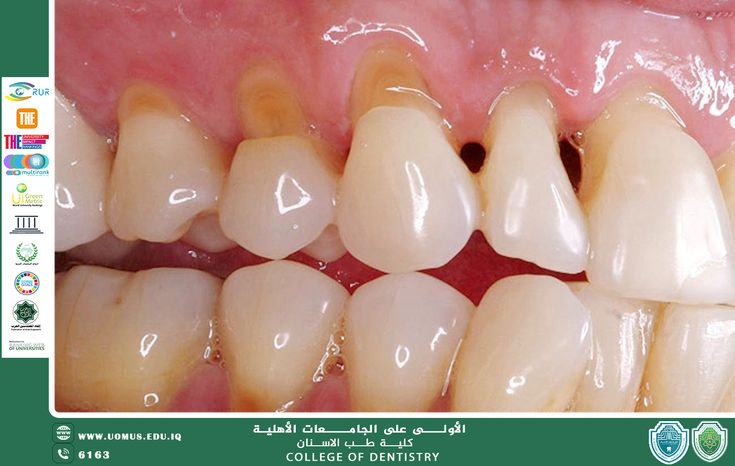
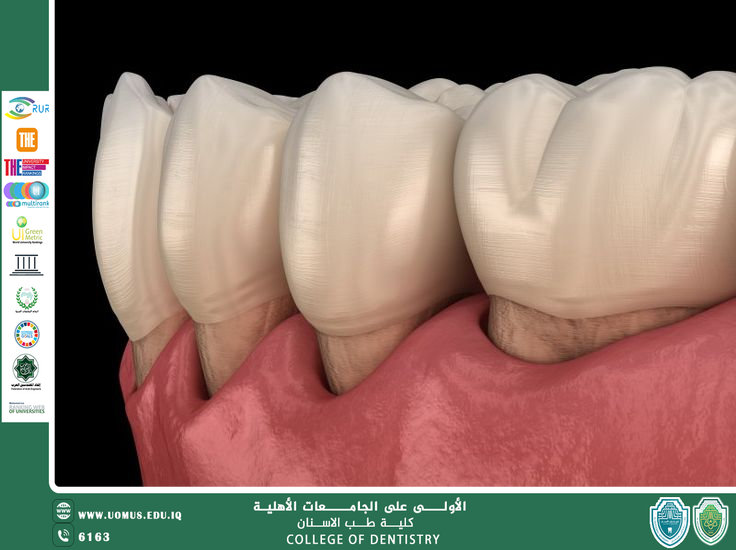
Dentin hypersensitivity occurs as a result of dentin exposure caused by gingival recession, enamel erosion, or microcracks in the teeth. This exposure allows external stimuli to reach the dentinal tubules, leading to nerve stimulation and pain. Accurate diagnosis is crucial to distinguish dentin hypersensitivity from other similar conditions, such as dental caries or pulp inflammation, as misdiagnosis may result in inappropriate treatment.
Proper diagnosis relies on a detailed medical history, clinical examination, and the use of thermal or air stimulation tests, in addition to radiographic evaluation when necessary. This comprehensive approach enables the dentist to identify the exact cause of sensitivity and select the most suitable treatment plan for each patient.
Management focuses on addressing the underlying cause rather than merely relieving symptoms. Treatment may include the use of desensitizing toothpastes, application of dentin-sealing agents, or restoration of affected areas. In some cases, periodontal therapy or more advanced restorative interventions may be required. Patient education on proper brushing techniques and dietary habits also plays a key role in ensuring long-term treatment success.
In conclusion, dentin hypersensitivity is a common yet manageable condition when diagnosed and treated using a scientific and integrated approach. Addressing it effectively highlights the preventive and diagnostic role of the dentist in improving patient comfort and maintaining long-term oral health.